Table of Contents
Can Breast Cancer Be Detected Before Symptoms Appear?
Breast cancer detection is a critical aspect of women's health. Early diagnosis can lead to more effective treatment and improved survival rates. Many people are unaware that breast cancer can often be detected before any symptoms appear. Recognizing the importance of proactive health measures is essential for timely intervention.
Screening methods play a vital role in identifying breast cancer at its earliest stages. Regular mammograms and clinical exams help women stay informed about their breast health. Knowing how to detect breast cancer early can empower individuals to take action against this disease. Understanding personal risk factors also supports informed decisions regarding screening and prevention strategies.
Monitoring changes in breast tissue and being aware of warning signs is crucial. Engaging in self-examinations can help individuals notice any unusual changes. Women should remain vigilant and communicate openly with their healthcare providers about breast health. Taking these steps can make a significant impact on early breast cancer detection, ultimately saving lives.
Get Support From a Breast Cancer Specialist
Answer a few short questions and Healthnode will help you connect with the right breast specialist or oncology team.
Share Your Main Concern
This helps us understand whether you may need diagnosis, treatment planning, or a second opinion.
Contact information
Your information is only used to contact you and is never shared with third parties.
Your request has been received!
Thank you. If you have mammogram, ultrasound, MRI, biopsy, or pathology results, please keep them ready. A HealthNode consultant will guide you through the next step.
Vital Facts About Early Breast Cancer Detection
Early breast cancer detection is crucial for improving treatment outcomes. Detecting breast cancer early can significantly increase survival rates. Awareness of the vital facts surrounding this topic can empower individuals to take charge of their health. Recognizing the importance of proactive screening is essential for early intervention.
Mammograms play a fundamental role in detecting breast cancer early. These screenings can identify tumors that are too small to feel. Regular mammograms can catch changes in breast tissue before symptoms develop. Many women are surprised to learn that early signs of breast cancer may not always present noticeable symptoms.
Another key point is that self-exams can aid in early detection. By performing regular self-exams, women can become familiar with their breast tissue. This familiarity makes it easier to identify any unusual changes. Being aware of signs of breast cancer before symptoms appear can lead to prompt medical attention.
Practical steps can enhance early breast cancer detection efforts. Staying informed about personal risk factors is vital for women. Discussing screening options with healthcare providers ensures tailored recommendations. Taking these actions supports the goal of detecting breast cancer early and may save lives. Empower yourself and prioritize your breast health today.
How Screening Guidelines Help Spot Breast Cancer Early
Breast cancer screening guidelines play a vital role in early detection. These recommendations help identify women who are at risk. Following the guidelines can lead to early diagnosis and improved outcomes. Knowing how to detect breast cancer early is essential for effective treatment.
Routine screenings are designed to catch abnormalities in breast tissue. Mammograms are the most common method used for screening for breast cancer. These tests can reveal signs of cancer that are not yet noticeable. Adhering to breast cancer screening guidelines can significantly increase detection rates.
Healthcare organizations recommend specific age and frequency guidelines for screenings. Women generally start mammograms between ages 40 and 50. Depending on personal risk factors, some may need earlier screenings. Utilizing breast cancer detection methods as recommended can lead to timely interventions.
Taking action based on screening guidelines is crucial for breast health. Schedule regular appointments with healthcare providers to discuss personal risks. Staying informed about the latest breast cancer screening guidelines ensures proactive care. Empower yourself by prioritizing screenings and taking control of your health today.
Top Breast Cancer Detection Methods You Need to Know
Top breast cancer detection methods are essential for timely diagnosis. These methods help identify cancer before any noticeable symptoms arise. Knowing these detection strategies can empower individuals to take proactive steps for their health. Effective breast cancer detection methods significantly enhance the chances of successful treatment.
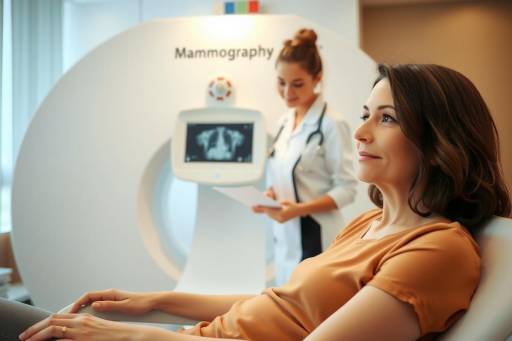
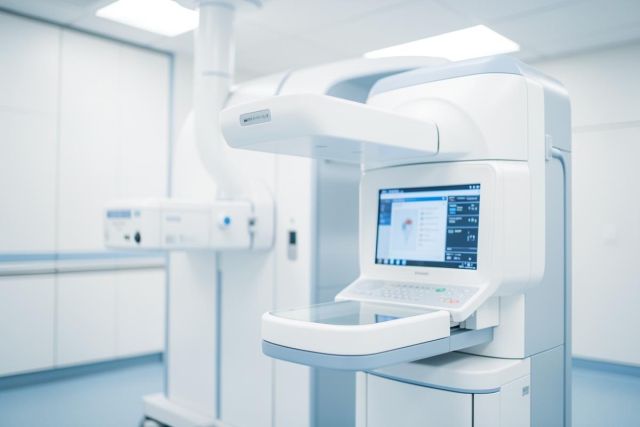
Mammograms are the most widely recognized method. This screening test uses low-energy X-rays to detect abnormalities. Regular mammograms can find tumors that cannot be felt. They are crucial for detecting breast cancer early, even in asymptomatic women.
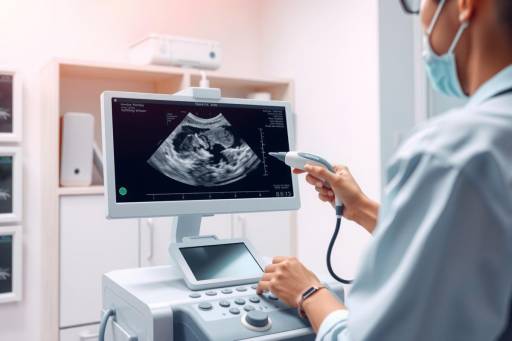
Ultrasound is another effective breast cancer detection method. This imaging test uses sound waves to create images of breast tissue. Ultrasound is often used alongside mammograms for better accuracy. It can help assess suspicious areas found during breast cancer screening tests.
Magnetic resonance imaging, or MRI, is also valuable. It provides detailed images of breast tissue using magnets and radio waves. MRI is especially useful for women at high risk or with dense breast tissue. Knowing how to detect breast cancer early includes discussing these methods with your healthcare provider.
Taking action is key to effective breast health management. Regular screenings and consultations with medical professionals are essential. Familiarize yourself with early breast cancer symptoms and available detection methods. Prioritize your health by making informed decisions about your screenings and testing options.
Warning Signs of Breast Cancer Before Symptoms Develop
Warning signs of breast cancer before symptoms develop can be subtle. Recognizing these signs can lead to earlier diagnosis and treatment. Many women may not realize that changes can occur without noticeable symptoms. Being aware of these early indicators is crucial for detecting breast cancer early.
Changes in breast shape or size can be significant. If one breast appears larger or noticeably different, it may indicate a problem. Additionally, skin texture changes, such as dimpling or puckering, are important to note. These signs of breast cancer before symptoms become evident should prompt further examination.
Nipple changes are another key warning sign. If a nipple becomes inverted or discharges fluid, this can be concerning. It is vital to report these changes to a healthcare provider. Early breast cancer symptoms can sometimes be mistaken for benign conditions, so vigilance is essential.
Regular self-exams and screenings greatly enhance detection efforts. Familiarity with your breast tissue helps identify abnormalities. Consult with healthcare professionals about any concerning changes. Prioritize your health by remaining proactive and informed about breast cancer warning signs. Early action can lead to better outcomes and peace of mind.
Get Support From a Breast Cancer Specialist
Answer a few short questions and Healthnode will help you connect with the right breast specialist or oncology team.
Share Your Main Concern
This helps us understand whether you may need diagnosis, treatment planning, or a second opinion.
Contact information
Your information is only used to contact you and is never shared with third parties.
Your request has been received!
Thank you. If you have mammogram, ultrasound, MRI, biopsy, or pathology results, please keep them ready. A HealthNode consultant will guide you through the next step.
How to Take Action: Proactive Steps for Breast Health
How to take action for proactive breast health involves several key steps. Regular screenings and self-examinations are vital for early detection. Being proactive can significantly improve outcomes for breast cancer patients. Taking these steps ensures you are actively engaged in your health journey.
Breast cancer self-exams are an essential part of routine care. These exams help you become familiar with your breast tissue. Regularly checking for unusual changes can catch potential issues early. Knowing how to detect breast cancer early empowers you to seek medical advice promptly.
Scheduling routine mammograms is another proactive step. Healthcare providers recommend starting screenings at age 40 or earlier if at risk. These screenings can identify abnormalities before they become serious. Following early detection tips can make a significant difference in treatment options.
Education and awareness are crucial in maintaining breast health. Stay informed about personal risk factors and family history. Discuss any concerns with your healthcare provider during appointments. Prioritize your health by implementing these proactive breast health steps today. Taking these actions can lead to better outcomes and peace of mind for you and your loved ones.
Frequently Asked Questions
Q: What are the early breast cancer symptoms to watch for?
A: Early breast cancer symptoms can include unusual lumps or changes. Changes in breast size or shape may also occur. Skin dimpling or puckering can be a warning sign. Regular self-exams help identify these early indicators.
Q: How can breast cancer be found early through screening?
A: Breast cancer detection relies heavily on regular screenings. Mammograms are a key method for identifying issues. Following breast cancer screening guidelines is essential for effective detection. Early detection increases treatment options and improves outcomes.
Q: When should I start following breast cancer screening guidelines?
A: Breast cancer screening guidelines suggest starting around age 40. Women with risk factors may need earlier screenings. Regular mammograms are advised for early detection. Discuss personal risk with your healthcare provider.
Q: How to detect breast cancer early during self-exams?
A: Detecting breast cancer early involves performing regular self-exams. Check for lumps, changes in skin texture, or discharge. Familiarity with your breasts helps identify unusual changes. Report any concerns to your healthcare provider.
Q: Can breast cancer be found early with modern methods?
A: Yes, breast cancer detection methods have improved significantly. Mammograms, ultrasounds, and MRIs can identify issues early. These methods help in spotting signs of breast cancer before symptoms develop. Early detection is key to successful treatment.
The information provided is for educational purposes only and does not constitute medical advice. Always consult with a healthcare professional for medical guidance specific to your situation.