Table of Contents
When Is A Diagnostic Mammogram Needed After Screening?
Diagnostic mammograms are essential for evaluating potential breast abnormalities. These specialized imaging tests become crucial after a screening mammogram suggests possible issues. Early detection plays a vital role in improving breast cancer outcomes. Knowing when to get a diagnostic mammogram is key to your health journey.
Certain symptoms may indicate the need for a diagnostic mammogram after screening. Women experiencing unusual changes in breast tissue should seek further evaluation. Factors such as family history and age can elevate risks, making timely follow-up essential. Understanding the importance of diagnostic mammograms can be empowering.
Recognizing the signs that warrant a diagnostic mammogram is imperative. Taking proactive steps ensures that any concerns are addressed promptly. It is crucial to communicate openly with healthcare providers about any symptoms. Prioritizing your breast health can lead to better outcomes and peace of mind.
Get Support From a Breast Cancer Specialist
Answer a few short questions and Healthnode will help you connect with the right breast specialist or oncology team.
Share Your Main Concern
This helps us understand whether you may need diagnosis, treatment planning, or a second opinion.
Contact information
Your information is only used to contact you and is never shared with third parties.
Your request has been received!
Thank you. If you have mammogram, ultrasound, MRI, biopsy, or pathology results, please keep them ready. A HealthNode consultant will guide you through the next step.
Warning Signs That Require a Diagnostic Mammogram
Recognizing warning signs that require a diagnostic mammogram is essential for breast health. Certain symptoms may indicate potential issues after a routine screening. Being aware of these changes in breast tissue can lead to timely interventions. Addressing symptoms requiring a diagnostic mammogram promptly is crucial for effective treatment.
One significant warning sign is a noticeable lump in the breast. This lump may feel hard or different from surrounding tissue. Any new or unusual mass should be evaluated quickly. It is vital to seek advice from a healthcare provider if a lump arises. Early diagnosis can greatly enhance treatment outcomes.
Another important symptom is changes in breast shape or size. Swelling or distortion of the breast can be concerning. Changes in skin texture, such as dimpling or puckering, can also indicate issues. These warning signs after screening should prompt immediate follow-up. Being proactive can help catch potential problems early.
Experiencing persistent pain or discomfort in the breast area is another reason to act. Unexplained pain that lasts longer than a few weeks may require further investigation. When to get a diagnostic mammogram often depends on these symptoms. Always consult a healthcare professional about any persistent issues.
Awareness of these warning signs can empower you to take control of your breast health. If you notice any of these symptoms, consult your doctor right away. Knowing when to get a diagnostic mammogram can save lives. Prioritize your health by being proactive and informed.
How to Decode Your Mammogram Results: Next Steps Explained
Decoding your mammogram results is crucial for your health. Abnormal mammogram results can be concerning and confusing. Knowing the next steps after screening helps you navigate this process. Early action can lead to better outcomes and peace of mind.
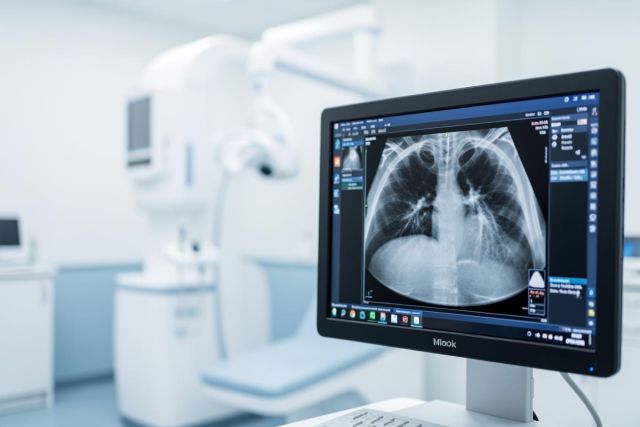
Receiving abnormal mammogram results often leads to further imaging tests. A diagnostic mammogram may be needed to clarify findings. This follow-up imaging provides more detailed information about any concerns. Following diagnostic mammogram guidelines ensures that any potential issues are addressed correctly.
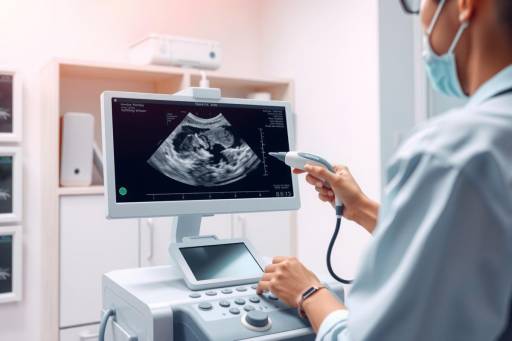
Another important step is discussing your results with your healthcare provider. They can explain the implications of your mammogram after screening. Your doctor may recommend additional tests such as ultrasound or MRI. These tests offer further insight into any abnormalities noted on the mammogram.
Taking proactive steps after receiving your results is essential. Keep track of upcoming appointments and tests. If you have questions, don't hesitate to ask your healthcare provider. Knowing how to decode your mammogram results empowers you to take charge of your health. Stay informed and advocate for your needs throughout this process.
High-Risk Factors That Make a Diagnostic Mammogram Crucial
High-risk factors that make a diagnostic mammogram crucial can vary significantly. Patients with a family history of breast cancer should be especially vigilant. This elevated risk makes regular screenings essential for early detection. Being aware of these factors helps in making informed health decisions.
Age is another important high-risk factor for mammogram guidelines. Women over 40 are generally encouraged to begin regular screenings. As age increases, the risk of breast cancer also rises. Those with a personal history of breast issues should consider more frequent evaluations.
Genetic factors also play a significant role in determining risk. Individuals with mutations in the BRCA1 or BRCA2 genes face higher risks. Such genetic predispositions necessitate additional imaging, including diagnostic mammograms. Recognizing the importance of a diagnostic mammogram in these cases cannot be overstated.
It is vital to discuss your risk factors with your healthcare provider. They can help you create a personalized screening plan. Knowing how high-risk factors for mammogram impact your health is empowering. Take charge of your breast health by staying informed and proactive.
What to Expect During a Diagnostic Mammogram Appointment
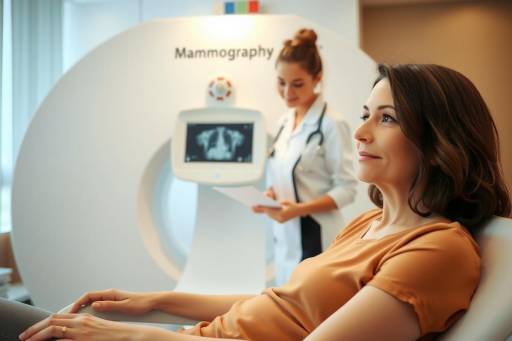
What to expect during a diagnostic mammogram appointment is important for patients. This specialized imaging process is designed to evaluate breast abnormalities. Knowing the steps involved can help reduce anxiety. Familiarity with the diagnostic mammogram process enables better preparation and comfort during the appointment.
Preparation for a mammogram typically involves a few simple guidelines. Wearing a two-piece outfit can simplify the process. Avoiding lotions, deodorants, or powders on the day of your appointment is recommended. These products can interfere with the imaging quality. Arriving with a clear understanding of what happens during a diagnostic mammogram can ease concerns.
During the appointment, a technologist will position you for the imaging. Compression of the breast will occur to obtain clear images. While this may feel uncomfortable, it is essential for accurate results. The entire procedure usually takes about 30 minutes to complete, allowing for multiple views of the breast.
Patients should remember to ask questions if they have concerns. Communicating openly with the healthcare team enhances comfort during the appointment. Knowing what to expect during a diagnostic mammogram appointment helps alleviate stress. Taking proactive steps ensures you’re prepared for this crucial health evaluation.
Get Support From a Breast Cancer Specialist
Answer a few short questions and Healthnode will help you connect with the right breast specialist or oncology team.
Share Your Main Concern
This helps us understand whether you may need diagnosis, treatment planning, or a second opinion.
Contact information
Your information is only used to contact you and is never shared with third parties.
Your request has been received!
Thank you. If you have mammogram, ultrasound, MRI, biopsy, or pathology results, please keep them ready. A HealthNode consultant will guide you through the next step.
Essential Questions to Ask After a Diagnostic Mammogram
Essential questions to ask after a diagnostic mammogram can clarify your results. Knowing what to inquire about helps you feel empowered. After the procedure, it's crucial to seek information that affects your health. Asking the right questions can significantly impact follow-up after mammogram findings.
Start by asking your healthcare provider about the results timeline. Knowing when you can expect results will ease your mind. Understanding the importance of diagnostic mammogram results is vital for informed decisions. If results are abnormal, inquire about the next steps in your care.
Another important question revolves around additional testing. Ask if further imaging or biopsies are necessary. This information helps you prepare for what may come next. Knowing the rationale for additional tests can provide reassurance. Clarifying these points is essential for your peace of mind.
Patients should also ask about lifestyle changes or preventive measures. Inquire about any modifications you should consider based on results. The importance of diagnostic mammogram follow-up cannot be overstated. Being proactive about your breast health promotes better overall outcomes. Keep the dialogue open with your healthcare team to ensure comprehensive care.
Frequently Asked Questions
Q: What is a diagnostic mammogram and why is it needed?
A: A diagnostic mammogram is an advanced imaging test. It is used when initial screening results are abnormal. This type of mammogram provides detailed images of the breast. It helps identify potential issues and assess symptoms requiring diagnostic mammogram.
Q: When to get a diagnostic mammogram after screening?
A: Patients should consider a diagnostic mammogram if symptoms arise. These include lumps or changes in breast tissue. Follow-up imaging is crucial for abnormal findings. The timing depends on the specific situation and diagnostic mammogram guidelines.
Q: How does a diagnostic mammogram differ from a screening mammogram?
A: A screening mammogram is routine and checks for breast cancer. In contrast, a diagnostic mammogram investigates specific concerns. It often involves additional imaging views and targeted assessments. Understanding these differences can help patients navigate their breast health.
Q: What symptoms require a diagnostic mammogram?
A: Symptoms requiring diagnostic mammogram include persistent breast pain. Any noticeable lumps or changes in size should be checked. Skin changes like dimpling or puckering are also concerning. Prompt evaluation is essential to ensure timely intervention.
Q: How should I prepare for a diagnostic mammogram?
A: Preparing for a diagnostic mammogram involves a few simple steps. Wear comfortable clothing that allows easy access to the breast. Avoid using deodorants or lotions on the day of the appointment. Follow any specific instructions provided by your healthcare provider.
The information provided is for educational purposes only and does not constitute medical advice. Always consult with a healthcare professional for medical guidance specific to your situation.