Will Cancer Vaccines Be Used in Combination Therapies More Often?
Discover how cancer vaccines combined with traditional therapies enhance treatment outcomes. Learn about their benefits and discuss options with your provider.

Discover how cancer vaccines combined with traditional therapies enhance treatment outcomes. Learn about their benefits and discuss options with your provider.

Discover how universal cancer vaccines are transforming treatment. Learn about breakthroughs, trials, and how they might enhance patient outcomes today.

Discover how cancer vaccines can help prevent various cancers by stimulating the immune system. Learn about current and emerging vaccines to protect your health.
Get a free consultation and talk through symptoms, treatment options, and possible care paths with our coordination team.
Get Free Consultation
Discover how healthcare systems are adapting to new cancer vaccines to enhance patient outcomes. Explore key strategies for effective implementation and care.

Oral cancer vaccines could revolutionize cancer prevention by enhancing patient comfort and compliance. Discover their potential benefits and how they may transform treatment.

Discover how future vaccines may be developed faster than ever. Learn about innovations like mRNA technology and their impact on public health. Stay informed!
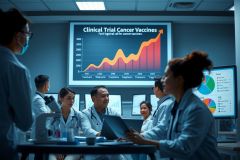
Cancer vaccines revolutionize treatment by boosting immune responses against tumors. Discover their benefits and how they may improve global cancer care today.

Discover how future vaccines for rare cancers are revolutionizing treatment options. Explore innovative trials and learn how to participate in breakthrough research.

Discover how future cancer vaccines could be more affordable through innovative technologies and policy changes. Stay informed to navigate treatment options effectively.

Discover how cancer vaccines can help prevent recurrence by boosting your immune response. Learn about their effectiveness and discuss options with your doctor.
Cancer immunotherapy, including the promising field of cancer vaccines, represents one of the most transformative advances in oncology. The future of cancer immunotherapy is highly encouraging, shaped by continuous innovations, breakthroughs in personalized medicine, and integration with cutting-edge technologies. As research accelerates, new cancer treatments are expected to profoundly enhance patient outcomes, survival rates, and overall quality of life.
One of the most exciting developments in cancer immunotherapy is personalized cancer vaccines. These vaccines utilize a patient’s unique genetic profile and tumor-specific mutations to create customized treatments. Leveraging advanced genomic sequencing technologies, personalized cancer vaccines identify neoantigens—distinctive proteins expressed only by an individual's tumor cells. By targeting these highly specific neoantigens, personalized vaccines effectively guide the immune system to destroy cancer cells while minimizing damage to healthy tissue. Current clinical trials exploring personalized mRNA-based cancer vaccines are already showing significant promise for treating aggressive cancers such as melanoma, glioblastoma, pancreatic, and colorectal cancers.
The groundbreaking success of mRNA vaccines for COVID-19 has accelerated research into their application for cancer treatment. mRNA-based cancer vaccines have numerous advantages, including rapid production, cost-efficiency, and the capacity to encode multiple tumor-specific antigens simultaneously. Future advances in mRNA technology are expected to expand the scope of cancer vaccines significantly, facilitating quick, precise, and adaptable responses to evolving tumors. This revolutionary approach could dramatically improve the speed, flexibility, and accessibility of cancer treatment, providing tailored solutions for patients previously facing limited options.
The future of cancer immunotherapy increasingly involves combination therapies—integrating cancer vaccines with other immunotherapy treatments such as checkpoint inhibitors, CAR-T cell therapy, and adoptive T-cell transfer. Combining these treatments can create synergistic effects, enhancing their overall effectiveness against cancers that have traditionally been resistant to single-treatment approaches. Clinical trials investigating these combined strategies indicate that such combinations can lead to more durable and robust immune responses, significantly improving long-term patient outcomes.
Artificial intelligence (AI) and machine learning are poised to transform cancer immunotherapy research and application further. AI-driven platforms help identify potential neoantigens, predict patient responses, optimize vaccine design, and facilitate precision dosing, thereby significantly improving therapeutic outcomes. Additionally, AI-enabled analytics utilizing big data from genomic databases, clinical trials, and real-world evidence help researchers rapidly identify promising vaccine candidates and stratify patients for optimal treatment response, accelerating personalized cancer vaccine development and clinical adoption.
Emerging advances in nanotechnology also hold considerable potential to revolutionize cancer immunotherapy, particularly through improved vaccine delivery systems. Nano-carriers can deliver cancer vaccines directly to target cells with high precision, increasing vaccine effectiveness, enhancing immune responses, and reducing side effects. Innovations in nanoparticle formulations promise future vaccines capable of crossing biological barriers and precisely targeting tumor microenvironments, offering groundbreaking therapeutic solutions for hard-to-treat cancers.
A crucial aspect of the future of cancer immunotherapy is ensuring equitable access. While current advanced therapies may be costly and resource-intensive, continued technological advances and global collaborations aim to reduce costs and facilitate widespread adoption. Greater accessibility through public health initiatives and affordable, scalable technologies will ensure that the transformative benefits of immunotherapy reach broader populations, including those in resource-limited regions.
Cancer immunotherapy is at the forefront of medical innovation, driven by continuous research breakthroughs and technological advancements. The future holds remarkable potential, from personalized mRNA-based vaccines to integrated, AI-driven precision treatments. These revolutionary strategies promise to redefine cancer treatment fundamentally, significantly enhancing survival rates, improving patient quality of life, and opening entirely new pathways toward cancer eradication. The era of cancer vaccines and comprehensive immunotherapy marks a bold and hopeful new chapter in global oncology.