Brain Cancer
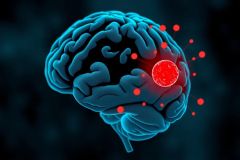
Brain cancer occurs when abnormal cells form within the brain tissue, leading to tumors that can affect cognitive and physical functions. Symptoms may include headaches, seizures, vision problems, and changes in memory or behavior. Brain tumors can be primary or spread from other parts of the body (metastatic). Treatment options depend on the type, size, and location of the tumor and may involve surgery, radiation therapy, and chemotherapy. Early diagnosis is key to improving outcomes.
Overview
View All
-
How Is Brain Cancer Classified By Doctors?
Discover how doctors classify brain cancer to tailor treatment plans and enhance patient outcomes. Learn key classification factors and engage in your care.

-
What Are The Survival Rates For Different Types Of Brain Cancer?
Discover brain cancer survival rates and their impact on treatment decisions. Understand how tumor type, age, and location influence prognosis for better outcomes.

-
Can Benign Brain Tumors Become Brain Cancer?
Discover if benign brain tumors can become cancerous. Understand risks, symptoms, and treatment options to make informed health decisions. Stay proactive.
-
What Is Primary Versus Secondary Brain Cancer?
Discover the critical differences between primary and secondary brain cancer. Understand symptoms, treatment options, and empower your healthcare decisions today.
Symptoms & Diagnosis
View All
-
What Symptoms Differentiate Brain Cancer From Other Conditions?
Discover how to identify brain cancer symptoms like persistent headaches and cognitive changes. Early recognition can lead to better treatment outcomes. Act now!
-
How Long Does It Take To Diagnose Brain Cancer?
Discover how long it takes to diagnose brain cancer and the factors influencing this timeline. Learn vital symptoms and steps to advocate for prompt care.
-
Are There Blood Tests To Detect Brain Cancer?
Discover how blood tests for brain cancer can enhance early detection and treatment options. Stay informed and discuss with your doctor for proactive health decisions.
-
How Are Cognitive Changes Linked To Brain Cancer?
Discover how cognitive changes relate to brain cancer, including memory loss and decision-making issues. Learn effective strategies for support and management.
Need guidance beyond these articles?
Connect with our coordination team to understand your options and choose a suitable next step for your condition.
Get Free ConsultationCauses & Risk Factors
View All
-
Is Brain Cancer More Common In Certain Regions Or Countries?
Discover how brain cancer prevalence varies by region and country. Learn about key risk factors and empower your health with essential insights and proactive measures.
-
What Are The Most Common Risk Factors For Brain Cancer?
Discover critical brain cancer risk factors including genetics and environment. Empower yourself with knowledge for early detection and prevention. Take action today!
-
How Does Smoking Affect Brain Cancer Risk?
Discover how smoking elevates brain cancer risk and learn proactive steps to quit. Understand the science behind smoking's impact on brain health and tumors.
-
Can Traumatic Brain Injury Lead To Brain Cancer?
Discover how traumatic brain injury may increase brain cancer risk. Understand the signs to watch for and empower your health decisions today.
Treatment Options
View All
-
How Are Pediatric Brain Cancers Treated Differently?
Discover how pediatric brain cancer treatment differs from adult care. Learn about specialized strategies, treatment options, and the importance of expert oncology teams.
-
What Is The Cost Of Treating Brain Cancer?
Understand brain cancer treatment costs and factors that influence them. Discover financial aid options and strategies to manage expenses effectively.
-
Can Brain Cancer Be Cured Completely?
Discover if brain cancer can be cured and learn about the latest treatments, survival factors, and lifestyle tips to enhance outcomes. Stay informed and empowered.
-
What Are The Newest Treatments For Brain Cancer?
Discover the latest advancements in brain cancer treatments, including immunotherapy and targeted therapies, to empower your healthcare decisions today.
Need guidance beyond these articles?
Connect with our coordination team to understand your options and choose a suitable next step for your condition.
Get Free ConsultationLiving with Brain Cancer
View All
-
Can Meditation Or Mindfulness Help With Brain Cancer Symptoms?
Discover how meditation can alleviate brain cancer symptoms. Learn effective mindfulness techniques to reduce stress, manage pain, and enhance your well-being.
-
How Do Patients Manage Fatigue From Brain Cancer?
Managing brain cancer fatigue is essential for quality of life. Discover effective strategies like nutrition, exercise, and support systems to boost energy and well-being.
-
What Financial Help Is Available For Brain Cancer Patients?
Discover essential financial help for brain cancer patients, including government aid, nonprofit resources, and tips to manage treatment costs effectively.
-
Are There Rehabilitation Options For Brain Cancer Patients?
Discover essential rehabilitation options for brain cancer patients to enhance recovery. Learn how tailored therapies can improve independence and quality of life.
Survivorship & Long-Term Care
View All
-
How Can Caregivers Support Long-term Brain Cancer Survivors?
Caregivers are vital for long-term brain cancer survivors. Discover effective strategies to enhance emotional and physical support for recovery.
-
What Monitoring Is Required After Brain Cancer Remission?
Post-brain cancer remission, effective monitoring is crucial for long-term health. Discover essential health checks and stay proactive to catch recurrences early.
-
How Is Quality Of Life Affected After Brain Cancer Recovery?
Discover how brain cancer recovery affects quality of life. Learn effective strategies to manage emotional and physical challenges for a fulfilling life.
-
Are There Support Groups For Brain Cancer Survivors?
Discover vital support groups for brain cancer survivors that enhance emotional well-being and provide coping strategies. Connect with a community for hope and healing.
Brain Cancer
Brain cancer refers to the uncontrolled growth of abnormal cells within the brain or central nervous system, disrupting essential functions such as memory, coordination, speech, and motor skills. Unlike other cancers, brain tumors can be life-threatening even when they are not malignant, simply because they occupy space within the skull and put pressure on critical areas of the brain. Brain cancer includes both primary brain tumors, which begin in the brain itself, and secondary (metastatic) tumors, which spread from cancers elsewhere in the body. The complexity of the brain makes diagnosis and treatment particularly challenging, requiring specialized medical expertise and advanced technology.
The causes and risk factors of brain cancer are not fully understood, but a combination of genetic, environmental, and lifestyle factors is believed to play a role. Exposure to high doses of ionizing radiation, a family history of brain tumors, and certain inherited genetic syndromes can increase the likelihood of developing brain cancer. Age is also a factor—while some types of brain tumors are more common in children, others predominantly affect older adults. Occupational exposure to harmful chemicals and a weakened immune system may also contribute. However, for many patients, no clear cause is identified, underscoring the complexity of this disease.
Symptoms of brain cancer vary widely depending on the tumor’s size, location, and rate of growth. Common signs include persistent headaches, often worse in the morning or with activity, nausea, vomiting, blurred vision, and seizures. Patients may also experience cognitive changes such as memory loss, confusion, difficulty concentrating, or personality shifts. Weakness or numbness in the limbs, balance problems, and difficulty with speech or coordination are also possible indicators. Because these symptoms overlap with many other conditions, advanced diagnostic tests are essential for accurate detection.
The diagnosis of brain cancer involves multiple steps, including neurological examinations, imaging tests, and biopsies. MRI and CT scans are commonly used to visualize tumors and determine their size and location. Functional MRI, PET scans, and advanced imaging techniques can provide more detailed information about brain activity and tumor behavior. A biopsy, often performed through stereotactic surgery, is necessary to confirm whether the tumor is benign or malignant and to identify the specific type of cancer. Classifying tumors into grades based on aggressiveness helps doctors develop personalized treatment strategies.
Types of brain cancer include a wide range of tumors, with gliomas being the most common. Gliomas encompass subtypes such as astrocytomas, oligodendrogliomas, and glioblastomas, the latter being one of the most aggressive and difficult to treat. Meningiomas and pituitary tumors are often benign but can still cause serious symptoms by pressing on nearby brain structures. Medulloblastomas, more common in children, are fast-growing tumors originating in the cerebellum. Identifying the tumor type and grade is critical to choosing the most effective treatment plan.
Treatment for brain cancer is complex and depends on the type, grade, location, and overall health of the patient. Surgery is often the first line of treatment, aiming to remove as much of the tumor as possible while preserving brain function. Advanced surgical techniques, including intraoperative MRI and awake craniotomy, allow for more precise removal. Radiation therapy and chemotherapy are commonly used after surgery to target remaining cancer cells. Recent breakthroughs in targeted therapy and immunotherapy are providing new hope, as these treatments focus on specific genetic mutations or enhance the immune system’s ability to attack tumor cells. Tumor treating fields (TTF), a novel approach using electrical fields to disrupt cancer cell division, is also emerging as an innovative therapy for certain brain tumors.
Living with brain cancer requires comprehensive care that goes beyond medical treatments. Patients often need rehabilitation to regain motor, speech, or cognitive functions lost due to the tumor or its treatment. Supportive care, including physical therapy, occupational therapy, and psychological counseling, is essential for maintaining quality of life. Fatigue, neurological side effects, and emotional distress are common challenges that require long-term management. Patient support groups and palliative care resources provide additional guidance and strength throughout the treatment journey.
Research and innovation in brain cancer care continue to advance rapidly, offering new possibilities for patients. Genetic and molecular profiling is paving the way for personalized medicine, ensuring treatments are tailored to individual tumor characteristics. Clinical trials exploring advanced immunotherapies, vaccines, and precision radiotherapy are showing promising results. Artificial intelligence and machine learning are increasingly being used to improve early detection, diagnosis, and treatment planning. Public awareness campaigns emphasizing the importance of early diagnosis and access to specialized neuro-oncology centers are also playing a crucial role in improving outcomes.