Leukaemia

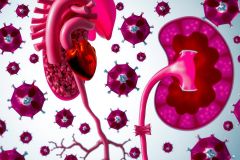
Leukaemia is a type of blood cancer that starts in the bone marrow and leads to the overproduction of abnormal white blood cells. It disrupts the body's ability to fight infection and control bleeding. Common symptoms include fatigue, frequent infections, easy bruising, and unexplained weight loss. Early detection and treatment such as chemotherapy, targeted therapy, or bone marrow transplant are essential for managing the disease and improving survival rates.

Need guidance beyond these articles?

Connect with our coordination team to understand your options and choose a suitable next step for your condition.

Get Free Consultation
Private request • Coordination support

Need guidance beyond these articles?

Connect with our coordination team to understand your options and choose a suitable next step for your condition.

Get Free Consultation
Private request • Coordination support

Leukaemia

Leukaemia is a type of cancer that affects the blood and bone marrow, where blood cells are produced. It occurs when abnormal white blood cells grow uncontrollably, crowding out healthy blood cells and disrupting the body’s ability to fight infections, carry oxygen, and control bleeding. Unlike cancers that form solid tumors, leukaemia spreads through the bloodstream and bone marrow, making it a systemic disease. Although it can affect people of all ages, certain types are more common in children, while others predominantly occur in adults. Understanding the different forms of leukaemia, their risk factors, symptoms, and treatment options is essential to improving outcomes and supporting patients in their fight against this complex disease.

The causes and risk factors of leukaemia are not entirely clear, but research has identified a combination of genetic and environmental influences. Exposure to high levels of radiation, certain chemicals like benzene, smoking, and previous cancer treatments such as chemotherapy can increase the risk. Genetic disorders, including Down syndrome, and a family history of blood cancers may also contribute. Age and gender can be risk factors as well, with some types of leukaemia more common in older adults and others more frequently diagnosed in young children. While not all risk factors can be controlled, awareness and early monitoring can help with timely diagnosis.

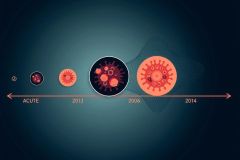
There are several types of leukaemia, classified by how quickly the disease progresses and the type of blood cell affected. Acute leukaemia develops rapidly, requiring immediate treatment, while chronic leukaemia progresses more slowly and may remain unnoticed for years. Based on cell type, acute lymphoblastic leukaemia (ALL) is most common in children, whereas acute myeloid leukaemia (AML) occurs more often in adults. Chronic lymphocytic leukaemia (CLL) is common in older adults and progresses gradually, while chronic myeloid leukaemia (CML) is linked to a specific genetic abnormality called the Philadelphia chromosome. Identifying the exact type of leukaemia is crucial for selecting the most effective treatment.

Symptoms of leukaemia can vary widely but are often related to the body’s reduced ability to produce healthy blood cells. Common signs include persistent fatigue, frequent infections, unexplained fevers, night sweats, and weight loss. Patients may also experience easy bruising, frequent nosebleeds, bleeding gums, or small red spots on the skin called petechiae. Enlarged lymph nodes, liver, or spleen, along with bone or joint pain, can also be indicators. Because these symptoms are often mistaken for common illnesses, seeking medical attention when they persist is essential. Blood tests, bone marrow biopsies, and genetic analysis are typically used to confirm diagnosis.

Treatment for leukaemia depends on the type, stage, and overall health of the patient. Chemotherapy remains the primary treatment, aiming to destroy cancerous cells in the blood and bone marrow. Radiation therapy may be used in specific cases, especially when leukaemia has spread to the brain or spinal cord. Targeted therapy drugs and immunotherapies have transformed treatment in recent years, offering more precise and less toxic approaches. Stem cell transplantation (bone marrow transplant) is another powerful option, replacing diseased bone marrow with healthy donor cells to rebuild the immune system. In some chronic cases, oral targeted drugs allow patients to manage the disease over long periods, dramatically improving survival and quality of life.

Living with leukaemia often involves long-term care and adjustments beyond medical treatments. Patients may face side effects such as fatigue, weakened immunity, and emotional stress, requiring ongoing support. Nutritional guidance, physical therapy, and counseling can help individuals cope with the demands of treatment. Regular monitoring is vital to detect relapse early and adjust therapies as needed. Support groups and patient networks also play an important role, providing encouragement and shared experiences for those navigating the challenges of living with leukaemia.

Research and innovation in leukaemia care are advancing rapidly, bringing hope for more effective treatments and improved survival rates. Genetic profiling has made it possible to design personalized therapies, targeting specific mutations that drive the disease. Clinical trials are exploring next-generation immunotherapies, including CAR-T cell therapy, which reprograms a patient’s own immune cells to attack cancer. Advances in early detection, new drug combinations, and less invasive therapies are transforming the outlook for patients. Education, awareness, and access to specialized care remain crucial in reducing the global burden of leukaemia and supporting those affected by this complex condition.

Loading...