What Are The Environmental Risk Factors For Lung Cancer?
Discover the top environmental risk factors for lung cancer, including air pollution and secondhand smoke. Learn how to reduce your risk and protect your lung health.
Explore the causes and risk factors of lung cancer, including smoking, secondhand smoke, radon, and environmental exposures, and learn practical ways to reduce your risk through prevention and healthy lifestyle choices.

Discover the top environmental risk factors for lung cancer, including air pollution and secondhand smoke. Learn how to reduce your risk and protect your lung health.

Explore how genetics influence lung cancer risk and learn about genetic testing, lifestyle changes, and early detection strategies to empower your health journey.

Radon gas significantly raises lung cancer risk. Discover how to test your home, protect your family, and reduce exposure with essential prevention tips.
Get a free consultation and talk through symptoms, treatment options, and possible care paths with our coordination team.
Get Free Consultation
Discover how occupational exposures can lead to lung cancer. Learn about high-risk jobs, early symptoms, and essential prevention strategies to protect your health.

Discover how air pollution increases lung cancer risk and learn effective strategies to protect your health. Stay informed and reduce your exposure today.

Secondhand smoke is a major lung cancer risk. Discover how it harms health and learn effective strategies to protect yourself and your loved ones today.

Smoking and lung cancer have a strong link that most of us are aware of. Many people smoke for years without thinking about the harm they do to their lungs.

If you know what to look for it can help you catch it early. Some signs might be easy to miss while others are more clear.
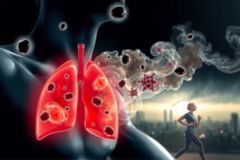
Some causes are well-known, like smoking, which is bad for health and can lead to the disease. It's not just smokers who have this risk; other things in the air can hurt your lungs too.
Lung Cancer Causes, Risks & Prevention
Lung cancer develops when genetic changes cause cells in the lungs to grow and divide uncontrollably. These changes may occur after exposure to cancer-causing substances or develop through other biological processes. Although lung cancer cannot always be prevented, understanding its risk factors can help individuals make informed decisions to reduce their risk.
What Causes Lung Cancer?
Tobacco smoking is the leading cause of lung cancer. Cigarette smoke contains numerous carcinogens that can damage the DNA of lung cells over time. The risk generally increases with the amount and duration of smoking, although lung cancer can also occur in people who have never smoked.
Not all lung cancers have a clearly identifiable cause. Genetic susceptibility, environmental exposures, and acquired changes in lung cells may contribute to cancer development. Having a risk factor does not mean a person will definitely develop lung cancer, and the absence of known risk factors does not eliminate the possibility.
Major Risk Factors for Lung Cancer Smoking and Secondhand Smoke
Smoking cigarettes, cigars, or other tobacco products significantly increases lung cancer risk. Exposure to secondhand smoke also raises the risk among people who do not smoke. There is no safe level of tobacco smoke exposure.
Radon Exposure
Radon is a naturally occurring radioactive gas that can accumulate inside buildings. Long-term exposure increases lung cancer risk, particularly among smokers. Testing homes for radon and taking steps to reduce elevated levels can help lower exposure.
Occupational and Environmental Exposures
Certain workplace substances, including asbestos, arsenic, chromium, nickel, and diesel exhaust, are associated with increased lung cancer risk. Air pollution may also contribute to the development of lung cancer. Appropriate workplace safety measures and environmental protections can reduce exposure to these hazards.
Personal and Family Medical History
A history of lung cancer, certain chronic lung diseases, and a family history of lung cancer may be associated with increased risk. Genetic factors can also influence susceptibility, although inherited risk alone does not determine whether cancer will develop.
How Can Lung Cancer Risk Be Reduced?
The most effective step for preventing lung cancer is to avoid tobacco use and quit smoking if you currently smoke. Quitting reduces lung cancer risk over time, even for people who have smoked for many years. Avoiding secondhand smoke is also important.
Additional preventive measures include testing for radon, following occupational safety guidelines, reducing exposure to known carcinogens, and maintaining a healthy lifestyle. A balanced diet, regular physical activity, and limiting exposure to air pollution can support overall health, although no specific food, supplement, or lifestyle practice can guarantee protection against lung cancer.
Screening and Early Detection
Prevention and screening serve different purposes. Screening does not prevent lung cancer from developing, but it can help detect the disease at an earlier stage when treatment may be more effective.
Low-dose computed tomography (LDCT) screening is recommended for certain adults at elevated risk, particularly those with a significant smoking history. Eligibility depends on factors such as age, smoking exposure, and the guidelines used in the patient’s country. Individuals should discuss their personal risk and screening options with a healthcare professional.
Understanding lung cancer risk is an important part of long-term health planning. People with a history of smoking, occupational exposures, or other significant risk factors should seek individualized advice about prevention, screening, and any persistent respiratory symptoms.