How Has The Survival Rate Of Lung Cancer Changed Over The Years?
Discover how lung cancer survival rates have evolved, driven by early detection and innovative treatments. Explore trends and empower your health decisions today.
Learn about lung cancer, including its main types, common symptoms, how it develops, and the diagnostic and treatment approaches used to manage the disease.

Discover how lung cancer survival rates have evolved, driven by early detection and innovative treatments. Explore trends and empower your health decisions today.

Discover the signs of early stage lung cancer, including asymptomatic cases. Learn how awareness and screenings can lead to timely diagnosis and better outcomes.
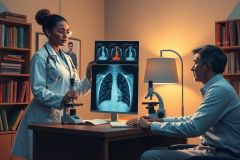
Discover how lung cancer is classified and why it matters for treatment decisions. Understand subtypes and staging to empower your healthcare journey.
Get a free consultation and talk through symptoms, treatment options, and possible care paths with our coordination team.
Get Free Consultation
Understand lung cancer's unique symptoms, risk factors, and treatment options. Empower yourself with knowledge for better health outcomes and timely intervention.

Discover the key differences between small cell and non-small cell lung cancer. Understand symptoms, treatment options, and prognosis to make informed health choices.
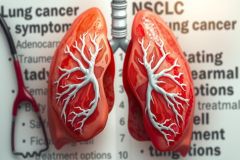
Explore the main types of lung cancer, their symptoms, and effective treatments. Discover vital prevention tips and empower your health today.

Discover key insights on lung cancer, its causes, symptoms, and prevention strategies. Stay informed to enhance early detection and improve treatment outcomes.

Understanding your options after an early diagnosis is important. Treatments vary based on many factors like the type and stage of cancer.
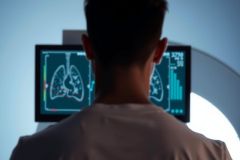
Getting screened for lung cancer might sound scary but it's pretty straightforward when you know what happens. You'll go through some checks that don't hurt and are over quickly.

Lung cancer affects many people around the world every year. Some folks have a higher chance of getting it than others.
Lung Cancer: Overview
Lung cancer develops when abnormal cells in the lungs grow uncontrollably and form a malignant tumor. These cells may invade nearby tissues or spread to other parts of the body. Lung cancer is a serious disease, but advances in early detection, molecular testing, and treatment have expanded the options available to many patients.
Main Types of Lung Cancer
The two main types are non-small cell lung cancer (NSCLC) and small cell lung cancer (SCLC). Non-small cell lung cancer is the more common group and includes adenocarcinoma, squamous cell carcinoma, and other less common subtypes. Small cell lung cancer tends to grow and spread more rapidly and is often associated with tobacco exposure.
Identifying the exact type is essential because treatment strategies and expected outcomes differ. Pathology and, when appropriate, molecular testing help guide an individualized treatment plan.
Symptoms and Warning Signs
Lung cancer may not cause noticeable symptoms in its early stages. When symptoms occur, they can include a persistent or worsening cough, coughing up blood, chest pain, shortness of breath, unexplained weight loss, fatigue, or recurrent respiratory infections.
These symptoms can also be caused by non-cancerous conditions. However, persistent or unexplained changes should be evaluated by a healthcare professional, especially in people with risk factors for lung cancer.
Diagnosis and Treatment
Diagnosis may involve imaging tests, tissue sampling, and laboratory examination to confirm the cancer type. Additional tests determine the stage of disease and identify biomarkers that may influence treatment decisions.
Treatment can include surgery, radiotherapy, chemotherapy, targeted therapy, immunotherapy, or combinations of these approaches. The recommended plan depends on the cancer type, stage, molecular characteristics, overall health, and patient preferences. Supportive and palliative care may also help manage symptoms and maintain quality of life at any stage.
Understanding lung cancer begins with accurate diagnosis and a multidisciplinary assessment. Patients should discuss their individual findings and treatment options with a qualified oncology team.