Quick Answer
Doctors diagnose lymphoma through a combination of physical exams, medical history assessments, blood tests, imaging scans, and a biopsy to confirm the disease and determine its type. Early recognition of symptoms such as swollen lymph nodes and unexplained weight loss prompts these diagnostic procedures.
- Early signs of lymphoma include swollen lymph nodes, unexplained weight loss, night sweats, persistent fevers, fatigue, and skin changes like itching or rashes.
- Physical exams involve palpating lymph nodes and assessing organ size, while medical history helps identify risk factors for lymphoma.
- Essential blood tests for lymphoma diagnosis include complete blood count (CBC), lactate dehydrogenase (LDH) levels, and comprehensive metabolic panels.
- Imaging scans such as CT and PET scans provide detailed images and highlight areas of abnormal metabolic activity to detect lymphoma and assess its extent.
- A biopsy, often of a lymph node, is crucial for definitive lymphoma diagnosis and classification, guiding treatment decisions.
- Biopsy procedures may involve fine needle aspiration or surgical removal under local anesthesia, depending on lymph node location.
- Early detection and timely diagnosis through these methods can lead to better treatment options and improved patient outcomes.
How is Lymphoma diagnosed by doctors?
Lymphoma diagnosis is a critical process that impacts treatment and outcomes. Accurate identification of lymphoma can lead to timely interventions, improving patient prognoses. Recognizing the symptoms early, such as swollen lymph nodes or unexplained weight loss, is essential. These signs often prompt patients to seek medical attention and initiate the diagnostic journey.
When doctors diagnose lymphoma, they rely on various lymphoma testing methods to confirm their suspicions. Testing may include blood tests, imaging scans, and biopsies. Each method plays a vital role in providing comprehensive insights into the condition. Patients must understand the importance of these procedures for accurate diagnosis and effective treatment plans.
Biopsy for lymphoma diagnosis is particularly important, as it allows for definitive identification of the disease. Understanding how doctors approach the diagnosis can alleviate anxiety and help patients feel more empowered. Engaging in open conversations with healthcare providers can lead to better health outcomes.
Get Support From a Lymphoma Specialist
Answer a few short questions and HealthNode will help you connect with the right haematology, lymphoma, or cancer specialist.
Share Test or Symptom Details
This helps us understand whether you may need diagnosis, treatment planning, or follow-up care.
Final Details
Share anything important so the specialist can better understand the case.
Contact information
Your information is only used to contact you and is never shared with third parties.
Your request has been received!
Thank you. If you have blood test results, ultrasound, CT, PET-CT, biopsy, pathology, immunohistochemistry, flow cytometry, or previous treatment records, please keep them ready. A HealthNode consultant will guide you through the next step.
7 Vital Early Signs of Lymphoma Doctors Never Ignore
Recognizing the early signs of lymphoma is crucial for timely diagnosis. Patients should be aware of symptoms that may indicate the presence of this disease. Early detection can lead to better treatment options and improved outcomes. Being informed about these warning signs of lymphoma empowers patients to seek help sooner.
One common symptom is swollen lymph nodes, often felt in the neck, armpits, or groin. These enlarged nodes may not be painful but can indicate lymphoma. Another vital early sign is unexplained weight loss, which can be a red flag. Alongside weight loss, drenching night sweats and persistent fevers may also occur, prompting further evaluation by healthcare professionals.
In addition to these symptoms, fatigue that does not improve with rest is another important indicator. This fatigue often accompanies other symptoms, creating a more complex picture. Skin changes, such as itching or rashes, can also signal underlying lymphoma. When patients present these early signs of lymphoma in adults, doctors are more likely to conduct thorough testing.
Understanding these vital early signs can help patients take proactive steps. If you notice any concerning symptoms, consult your healthcare provider promptly. Early diagnosis is key in how doctors diagnose lymphoma effectively. Taking action can lead to timely treatment and a better prognosis.
How Physical Exams and Medical History Shape Lymphoma Testing
Physical exams and medical history shape lymphoma testing significantly. These initial assessments are critical for guiding doctors in the diagnostic process. A thorough physical exam for lymphoma allows healthcare providers to identify any unusual signs or symptoms. Gathering information about a patient's medical history is equally important for accurate lymphoma diagnosis.
During the physical exam, doctors palpate lymph nodes and assess organ size. This examination helps identify any swelling or abnormalities. A focused medical history assessment includes questions about family history and previous illnesses. Such details can provide vital clues that may indicate increased risk for lymphoma.
When doctors suspect lymphoma, they may order specific diagnostic procedures for lymphoma. These procedures often depend on findings from the physical exam and medical history. For instance, if swollen lymph nodes are detected, a biopsy may be recommended. Blood tests can also be ordered to look for specific markers related to lymphoma.
Being proactive about your health can lead to earlier diagnosis. Share any relevant symptoms with your doctor to aid in assessment. A comprehensive approach to physical exams and medical history can streamline the lymphoma testing process. Taking these steps can lead to timely treatment and improved health outcomes.
Essential Blood Tests Doctors Use for Lymphoma Diagnosis
Essential blood tests for lymphoma play a crucial role in diagnosis. These tests help doctors evaluate various blood components for signs of lymphoma. By analyzing blood samples, healthcare providers can identify abnormalities that may indicate the disease. Timely blood testing can significantly impact the lymphoma diagnosis process.
One common test is a complete blood count (CBC). This test measures red and white blood cell levels, along with platelets. Abnormalities in these levels may suggest underlying health issues, including lymphoma. Additionally, lactate dehydrogenase (LDH) levels can indicate tumor activity, providing further insights into the patient's condition.
Another significant blood test is the comprehensive metabolic panel. This panel evaluates electrolytes, kidney function, and liver function. It can reveal how lymphoma affects organ health. Monitoring these factors is vital for determining appropriate lymphoma testing methods and subsequent treatment plans.
Being aware of these essential blood tests can empower patients. Discuss any concerns with your doctor if lymphoma is suspected. Early detection through blood testing can lead to more effective diagnostic procedures for lymphoma. Taking proactive steps can enhance your chances of better health outcomes.
Imaging Scans: 3 Powerful Tools for Detecting Lymphoma
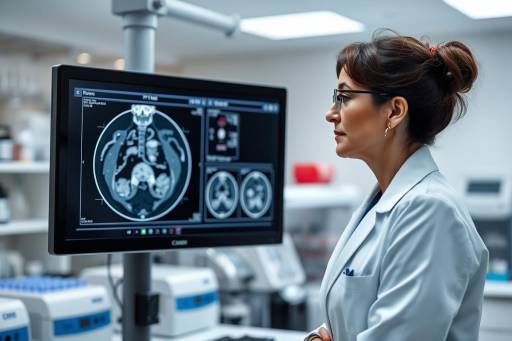
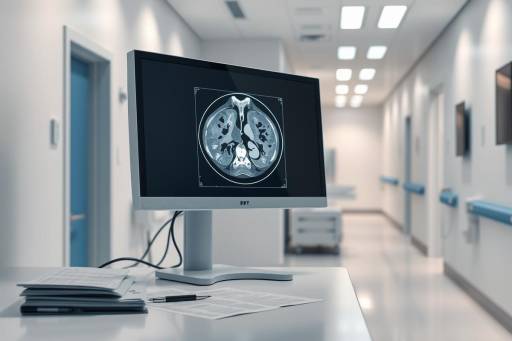
Imaging scans for lymphoma are essential tools in the diagnostic process. These scans provide detailed images of the body's internal structures. They help doctors detect abnormal growths and assess the extent of lymphoma. Effective imaging is crucial for accurate diagnosis and treatment planning.
A CT scan lymphoma is one of the most commonly used imaging techniques. This scan produces cross-sectional images of the body, allowing doctors to examine lymph nodes and organs. CT scans can identify swollen lymph nodes and masses, providing valuable information for further testing. The clarity of these images aids in determining the stage of the disease.
Another powerful imaging tool is the PET scan. This scan highlights areas of increased metabolic activity, which may indicate lymphoma. Combining PET scans with CT scans enhances diagnostic accuracy and helps evaluate treatment response. These imaging modalities work together to provide a comprehensive view of the patient's condition.
Patients should be aware of the importance of imaging scans in their diagnosis. Discuss any concerns about the imaging process with your healthcare provider. Knowing the role of lymphoma testing methods can ease anxiety and foster better communication. Taking proactive steps in your health journey can lead to timely and effective treatment options.
Get Support From a Lymphoma Specialist
Answer a few short questions and HealthNode will help you connect with the right haematology, lymphoma, or cancer specialist.
Share Test or Symptom Details
This helps us understand whether you may need diagnosis, treatment planning, or follow-up care.
Final Details
Share anything important so the specialist can better understand the case.
Contact information
Your information is only used to contact you and is never shared with third parties.
Your request has been received!
Thank you. If you have blood test results, ultrasound, CT, PET-CT, biopsy, pathology, immunohistochemistry, flow cytometry, or previous treatment records, please keep them ready. A HealthNode consultant will guide you through the next step.
Biopsy for Lymphoma Diagnosis: What to Expect and Why It’s Crucial
A biopsy for lymphoma diagnosis is a fundamental step in confirming the disease. This procedure involves removing a small tissue sample for analysis. Doctors examine the sample under a microscope to determine if cancerous cells are present. A lymph node biopsy is one of the most common types used in this process.
During a lymph node biopsy, doctors may use local anesthesia to minimize discomfort. They can perform the procedure through various methods, including fine needle aspiration or surgical removal. Each method has its advantages, and the choice often depends on the location of the lymph node. The results from this biopsy provide critical information for accurate lymphoma diagnosis.
The importance of a biopsy cannot be overstated. It not only confirms the presence of lymphoma but also helps identify the specific type. This classification is essential for tailoring treatment plans effectively. Other diagnostic procedures for lymphoma may follow, but the biopsy serves as a cornerstone in guiding these next steps.
Knowing what to expect can reduce anxiety and improve the experience. A biopsy is crucial for effective lymphoma testing methods and treatment decisions. Taking this step can lead to a clearer path toward recovery and better health outcomes.
Frequently Asked Questions
Q: What are the early signs of lymphoma in adults?
A: Early signs of lymphoma in adults include swollen lymph nodes. Unexplained weight loss and night sweats are also common. Fatigue that does not improve is another indicator. Recognizing these symptoms can prompt timely medical evaluation.
Q: How do doctors diagnose lymphoma effectively?
A: Doctors diagnose lymphoma through a combination of methods. Physical exams and medical history assessments are initial steps. Blood tests and imaging scans help identify abnormalities. A biopsy for lymphoma diagnosis is often required for confirmation.
Q: What are the common lymphoma testing methods used?
A: Lymphoma testing methods include blood tests and imaging scans. A CT scan provides detailed images of lymph nodes. PET scans highlight areas of abnormal activity. These tests guide further diagnostic procedures for lymphoma.
Q: When is a biopsy for lymphoma diagnosis necessary?
A: A biopsy for lymphoma diagnosis is necessary when abnormalities are detected. It confirms the presence of lymphoma and determines its type. This procedure is crucial for guiding treatment decisions. Patients should discuss the biopsy process with their doctor.
Q: Why is early detection important in lymphoma diagnosis?
A: Early detection in lymphoma diagnosis significantly impacts treatment options. It can lead to better outcomes and improved quality of life. Recognizing symptoms of lymphoma early allows for timely intervention.
The information provided is for educational purposes only and does not constitute medical advice. Always consult with a healthcare professional for medical guidance specific to your situation.