Table of Contents
How Are Patient Expectations Assessed Before Cosmetic Dentistry?
Assessing patient expectations before cosmetic dentistry is essential to achieving successful treatment outcomes and high patient satisfaction. Dental professionals use various methods to understand what you hope to achieve from your procedure and to guide you toward realistic and achievable goals. This process helps align your desires with clinical possibilities, reducing the risk of dissatisfaction or misunderstandings.
Cosmetic dentistry involves improving the appearance of your teeth and smile, which is a highly personal and subjective area. Your expectations can be influenced by many factors including previous dental experiences, social influences, and personal ideals of beauty. Therefore, a thorough assessment of your expectations ensures that the treatment plan is tailored to your needs and that you are fully informed about what can realistically be accomplished.
For patients considering cosmetic dental procedures, understanding how your dentist assesses your expectations can empower you to communicate openly and participate actively in your care. This collaborative approach leads to better outcomes and a more satisfying treatment experience overall.
Find the Right Cosmetic Dental Treatment for Your Smile
Answer a few short questions and HealthNode will help you connect with the right cosmetic dentist or smile design specialist.
Current Teeth and Treatment Interest
This helps us understand whether whitening, bonding, veneers, aligners, crowns, or a smile makeover may be more suitable.
Dental Health Check
A few details help the dentist understand whether any dental treatment may be needed before cosmetic work.
Contact information
Your information is only used to contact you and is never shared with third parties.
Your request has been received!
Thank you. If you have recent dental photos, dental X-rays, smile design plans, previous whitening, veneer, bonding, crown, or orthodontic records, please keep them ready. A HealthNode consultant will guide you through the next step.
Aligning Patient Expectations for Successful Cosmetic Dentistry Outcomes
Patient expectations in cosmetic dentistry refer to what you anticipate in terms of the appearance, function, and overall results of your dental treatment. Assessing these expectations is crucial because it directly impacts your satisfaction with the final outcome. When your goals and the clinical possibilities are clearly understood and aligned, the likelihood of a positive experience increases significantly.
Cosmetic dental procedures can range from teeth whitening and veneers to more complex smile makeovers. Each procedure has its limitations and benefits, so understanding your expectations helps the dental team recommend the most appropriate treatment. Without a clear assessment, there is a risk of pursuing unrealistic goals that may lead to disappointment or additional corrective work.
Patient satisfaction is multifactorial and includes emotional and psychological aspects. Your confidence, comfort, and trust in the dental team are just as important as the technical success of the procedure. By prioritizing expectation assessment, dentists ensure a patient-centered approach that values your perspective and fosters open communication throughout your cosmetic dental journey.
Common Methods Used to Assess Expectations
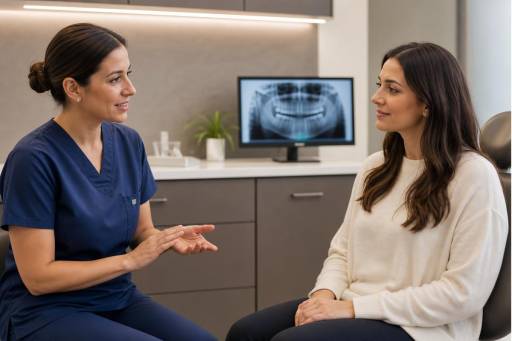
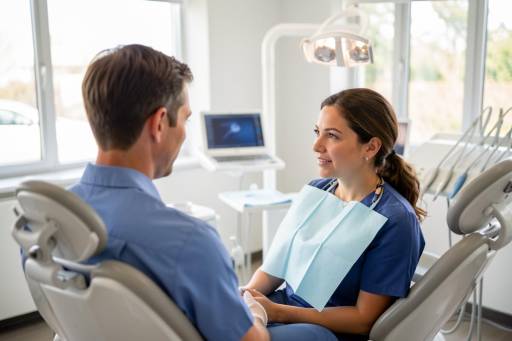
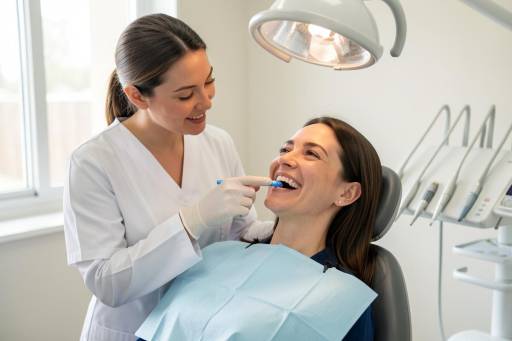
Dentists employ several techniques and tools to assess your expectations before cosmetic dentistry. The initial patient consultation is the foundation, where open dialogue allows you to express your desires, concerns, and aesthetic goals in your own words. This conversation often includes questions about your smile goals, previous dental experiences, and lifestyle factors.
In addition to verbal communication, dentists may use questionnaires or structured interviews to gather more detailed information about your expectations. These tools help identify priorities such as whitening, alignment, or shape changes, and reveal any misconceptions or unrealistic ideas.
Clinical evaluation and diagnostic tools also play a role. Detailed dental exams, photographs, and impressions provide objective data that dentists use to compare your current dental status with your desired outcome. This objective insight helps guide the discussion about what is achievable and safe.
Some practices integrate digital technologies such as digital smile design software, which allows you to visualize potential results based on your unique dental anatomy. This visual approach enhances understanding and helps refine your expectations further.
Aligning Expectations with Realistic Outcomes
Once your expectations are understood, the dental team works to align them with what is realistically achievable through treatment. This process is vital to avoid dissatisfaction that stems from unmet or unrealistic goals.
Effective communication is the key strategy here. Your dentist will explain the limitations and possibilities of different cosmetic procedures, providing clear information about potential risks, benefits, timelines, and maintenance requirements. This transparent dialogue helps you make informed choices and sets a foundation of trust.
Treatment planning is tailored to balance your desires with clinical judgment. Sometimes, this requires prioritizing certain goals or adjusting expectations to fit your oral health status and the technical constraints of the procedures.
Setting realistic expectations also means discussing the longevity of results and any need for future maintenance or adjustments. When patients understand these aspects, they tend to be more satisfied and engaged in their care journey.
The Role of Visual Aids and Digital Imaging
Visual aids are powerful tools that enhance patient education and expectation management in cosmetic dentistry. Digital imaging and smile design software allow you to see simulated before-and-after images that reflect potential treatment outcomes based on your own dental structure.
These visual representations help bridge the gap between abstract goals and concrete results. They provide a realistic preview of changes in tooth color, shape, alignment, and overall smile aesthetics. This clarity helps you understand what can be expected and provides a visual basis for discussing treatment options.
In addition to digital tools, traditional before-and-after photo galleries of previous patients can also be used to illustrate typical results. This contextualizes your expectations within real patient experiences.
By using these visual aids, dentists improve communication, reduce misunderstandings, and foster shared decision-making, all of which contribute to better satisfaction and trust.
Patient-Centered Care and Shared Decision-Making
Patient-centered care is the cornerstone of successful cosmetic dentistry. It means that your values, preferences, and expectations are central to every step of the treatment process.
Shared decision-making involves you and your dental team collaborating on treatment choices. This approach respects your autonomy and ensures that you fully understand the options, risks, and benefits before proceeding. It also helps tailor the treatment plan to your unique needs and lifestyle.
By involving you actively, dentists can better manage expectations and address any concerns or questions you have throughout the process. This ongoing communication builds confidence and satisfaction.
Treatment agreements or informed consent documents often reflect this collaborative approach, confirming that you agree with the planned procedures and understand the expected outcomes. This transparency supports ethical and patient-focused care.
Find the Right Cosmetic Dental Treatment for Your Smile
Answer a few short questions and HealthNode will help you connect with the right cosmetic dentist or smile design specialist.
Current Teeth and Treatment Interest
This helps us understand whether whitening, bonding, veneers, aligners, crowns, or a smile makeover may be more suitable.
Dental Health Check
A few details help the dentist understand whether any dental treatment may be needed before cosmetic work.
Contact information
Your information is only used to contact you and is never shared with third parties.
Your request has been received!
Thank you. If you have recent dental photos, dental X-rays, smile design plans, previous whitening, veneer, bonding, crown, or orthodontic records, please keep them ready. A HealthNode consultant will guide you through the next step.
Frequently Asked Questions
Q: How do dentists determine my cosmetic dentistry goals?
A: Dentists determine your goals through detailed consultations where you share your desires and concerns. They may use questionnaires and visual aids to clarify what you want to achieve. This helps create a personalized treatment plan that aligns with your expectations.
Q: What if my expectations are unrealistic for my dental condition?
A: If your expectations are not achievable due to your dental health or procedure limitations, your dentist will explain the reasons and suggest alternative options. Open communication helps adjust your goals to realistic outcomes, ensuring satisfaction and safety.
Q: Can digital imaging guarantee the final results of cosmetic dentistry?
A: Digital imaging provides a realistic preview but cannot guarantee exact results because actual outcomes depend on individual healing and procedural factors. It is a helpful guide for setting expectations but should be viewed as an estimate rather than a promise.
Q: Why is shared decision-making important in cosmetic dentistry?
A: Shared decision-making ensures that you are fully informed and involved in choosing your treatment. This collaboration respects your preferences and leads to higher satisfaction by aligning your goals with professional advice and realistic possibilities.
Q: How can I communicate my expectations clearly to my dentist?
A: Be honest and specific about what you want from your smile and any concerns you have. Ask questions during consultations and use visual references if possible. Clear communication helps your dentist understand and plan treatment that meets your needs.
The information provided is for educational purposes only and does not constitute medical advice. Always consult with a healthcare professional for medical guidance specific to your situation.