Table of Contents
How Is Facial Structure Considered in Smile Design?
Facial structure plays a crucial role in smile design because it ensures that the resulting smile looks natural and harmonious with your unique facial features. Smile design is not simply about whitening teeth or fixing gaps; it involves a comprehensive evaluation of how your teeth, gums, lips, and facial contours interact to create an aesthetically pleasing and balanced appearance.
When dentists plan a smile makeover, they carefully consider your jawline, cheekbones, lip shape, and overall facial proportions. This personalized approach helps achieve a balanced look that complements your personality and facial anatomy, rather than applying a one-size-fits-all solution that may not suit your individual features.
Understanding the relationship between your facial structure and smile design can help you appreciate why cosmetic dentistry is both a science and an art. It requires technical expertise to address dental health and function, as well as artistic judgment to create a smile that enhances your natural beauty.
Find the Right Cosmetic Dental Treatment for Your Smile
Answer a few short questions and HealthNode will help you connect with the right cosmetic dentist or smile design specialist.
Current Teeth and Treatment Interest
This helps us understand whether whitening, bonding, veneers, aligners, crowns, or a smile makeover may be more suitable.
Dental Health Check
A few details help the dentist understand whether any dental treatment may be needed before cosmetic work.
Contact information
Your information is only used to contact you and is never shared with third parties.
Your request has been received!
Thank you. If you have recent dental photos, dental X-rays, smile design plans, previous whitening, veneer, bonding, crown, or orthodontic records, please keep them ready. A HealthNode consultant will guide you through the next step.
If you are new to cosmetic dentistry, knowing how experts integrate facial features into smile planning can give you confidence in the process. It also highlights why tailored treatments often lead to more satisfying and natural results compared to generic procedures, ensuring that your smile makeover feels authentic and uniquely yours.
Key Principles of Smile Design
Smile design is a specialized branch of cosmetic dentistry focused on improving the appearance of your smile through a combination of aesthetic dental procedures. The goal is to enhance various factors such as tooth color, shape, alignment, and gum contour to create a visually pleasing and functionally effective smile that complements your overall facial features.
Common procedures involved in smile design include teeth whitening to brighten discoloration, veneers to reshape or cover imperfections, bonding to repair chips or gaps, orthodontics to correct misalignment, and gum reshaping to improve the gum line’s appearance. However, smile design goes beyond these individual treatments by integrating them into a comprehensive and personalized plan tailored specifically to your facial characteristics, oral health, and aesthetic goals.
This dental art combines clinical techniques with a deep understanding of aesthetics, facial symmetry, and proportions to improve not only your teeth but also the way your entire face looks. The process involves careful planning and collaboration between you and your dental team to ensure that the final result is natural-looking and enhances your unique beauty.
The result is a smile that not only boosts your confidence but also functions well for speaking, chewing, and maintaining oral health. Understanding the basics of smile design can help you appreciate the complexity and artistry involved, as well as set realistic expectations for your treatment journey.
The Importance of Facial Structure in Smile Aesthetics
Facial structure plays a significant role in the aesthetics of a smile because teeth and gums function within the broader context of your entire face. Key facial features such as your jawline, cheekbones, lip shape, and overall facial proportions influence how a smile appears when you talk, smile, or express emotion.
For example, a strong, angular jawline may call for a smile design that emphasizes symmetry, proportion, and boldness to complement the facial contours. In contrast, softer or more rounded facial features might benefit from subtle tooth shapes and sizes that create a gentle, harmonious effect. The goal is to achieve balance so that the smile enhances rather than overwhelms or clashes with your natural features.
The harmony between your smile and facial features is essential to avoid an artificial or mismatched look, which can detract from your overall appearance. Considering facial structure also helps dental professionals decide on the ideal tooth size, color, and alignment that best suits your face and personality.
This individualized approach ensures that your smile enhances your natural beauty rather than detracting from it, providing a cohesive and attractive appearance. It also supports functional aspects such as proper bite and lip support, contributing to both aesthetics and oral health.
How Dental Professionals Assess Facial Structure for Smile Design
Dental professionals use a variety of advanced tools and techniques to thoroughly assess your facial structure before designing your smile. This comprehensive evaluation is essential to ensure that the final result is both aesthetically pleasing and functionally appropriate for your unique anatomy.
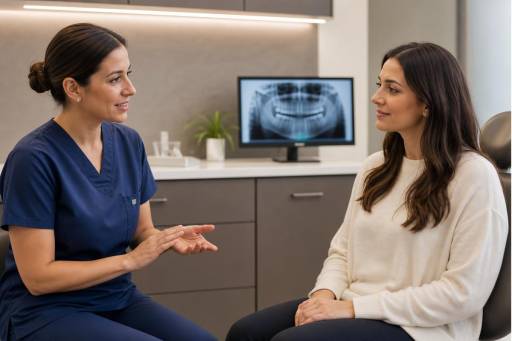
The assessment process typically involves detailed dental imaging, including digital X-rays and 3D scans, which provide precise information about your teeth, jawbone, and surrounding tissues. Photographs of your face from multiple angles are also taken to capture your natural expressions and proportions.
Precise measurements of your facial dimensions, such as jawline contours, lip length and mobility, smile width, and the relationship between your teeth and gums, are gathered to inform the design. These measurements help customize the treatment plan so that the smile complements your overall facial structure.
Modern technologies like digital smile design software allow dentists to simulate potential outcomes by overlaying proposed changes onto images of your face. This visualization helps both you and your dental team evaluate different options and make informed decisions about the desired look.
By combining these technological assessments with clinical examinations and patient input, dental teams can create a customized smile design that aligns with your facial proportions, movements, and functional needs. This thorough evaluation reduces the risk of unnatural results, enhances predictability, and supports a harmonious, natural appearance.
Personalized Smile Design: Combining Art and Science
Creating a personalized smile involves both scientific precision and artistic creativity, making it a truly individualized process. Dental specialists work closely with you to understand not only the technical aspects of your dental anatomy but also your personality, lifestyle, and aesthetic preferences. This collaboration ensures the final smile design looks natural and feels authentic to you, rather than a generic or artificial enhancement.
The process often begins with detailed consultations where your input is invaluable in guiding the aesthetic goals. You may discuss what you like and dislike about your current smile, your expectations, and any concerns you have. Specialists then combine their extensive knowledge of dental anatomy, facial harmony, and cosmetic techniques to tailor the smile design specifically for your unique features.
This approach considers factors such as tooth shape, size, color, alignment, and how these elements interact with your facial structure, including your lips, cheeks, and jawline. By blending art and science, personalized smile design respects your individuality and enhances your natural features rather than masking them.
This patient-centered approach increases satisfaction by delivering results that not only improve appearance but also align with your identity and comfort. It helps set realistic expectations, ensures functional harmony for biting and speaking, and minimizes the risk of dissatisfaction or the need for future adjustments. Ultimately, personalized smile design is about creating a smile that feels like a true reflection of you.
Benefits of Considering Facial Structure in Smile Design
Taking facial structure into account during smile design offers several important benefits that extend beyond mere aesthetics. First and foremost, it leads to more natural-looking results that blend seamlessly with your unique facial features. This careful consideration helps avoid the artificial or overly uniform appearance sometimes seen with generic dental treatments, which can look out of place or unnatural.
Second, a smile design tailored to your facial structure can significantly boost your confidence and self-esteem. When your smile harmonizes with your overall facial aesthetics, you are more likely to feel comfortable and satisfied with your appearance. This psychological impact often translates into improved social interactions, greater willingness to smile openly, and an enhanced sense of well-being.
In addition, considering facial structure helps ensure functional harmony of your smile. Proper alignment and proportion contribute to a balanced bite, which supports oral health by reducing undue stress on teeth and jaw joints. This holistic approach not only improves the look of your smile but also promotes long-term dental health.
Find the Right Cosmetic Dental Treatment for Your Smile
Answer a few short questions and HealthNode will help you connect with the right cosmetic dentist or smile design specialist.
Current Teeth and Treatment Interest
This helps us understand whether whitening, bonding, veneers, aligners, crowns, or a smile makeover may be more suitable.
Dental Health Check
A few details help the dentist understand whether any dental treatment may be needed before cosmetic work.
Contact information
Your information is only used to contact you and is never shared with third parties.
Your request has been received!
Thank you. If you have recent dental photos, dental X-rays, smile design plans, previous whitening, veneer, bonding, crown, or orthodontic records, please keep them ready. A HealthNode consultant will guide you through the next step.
By integrating facial structure into the design process, dental professionals can minimize the need for future adjustments or corrections, making the treatment more efficient and sustainable. This comprehensive strategy ultimately leads to long-lasting satisfaction and a smile that truly complements your face and personality.
Frequently Asked Questions
Q: How does facial structure affect the choice of teeth shapes?
A: Facial structure guides the selection of tooth shapes that complement your jawline and lip contours. For example, angular faces often suit sharper tooth edges, while rounder faces may benefit from softer, curved tooth shapes to maintain balance.
Q: What imaging techniques are used to evaluate facial features for smile design?
A: Dentists use digital photography, 3D imaging, and smile simulation software to analyze your facial features. These tools help visualize how different smile designs will appear in harmony with your face before treatment begins.
Q: Can smile design improve facial symmetry?
A: Yes, smile design can enhance facial symmetry by correcting dental alignment and proportions. A well-designed smile can balance uneven features and create a more harmonious overall appearance.
Q: Is patient input important in personalized smile design?
A: Patient input is vital to ensure the smile reflects your personality and preferences. Collaborative planning between you and your dental team leads to outcomes that feel natural and satisfying.
Q: Will considering facial structure increase the cost of smile design?
A: Incorporating facial structure assessment may add steps to the design process, such as advanced imaging or consultations. However, this personalized approach often results in better, longer-lasting outcomes, making it a valuable investment in your smile.
The information provided is for educational purposes only and does not constitute medical advice. Always consult with a healthcare professional for medical guidance specific to your situation.