Table of Contents
What Is Tooth Reshaping?
Tooth reshaping, also known as dental contouring, is a cosmetic dental procedure that involves the careful removal of small amounts of enamel, the hard, protective outer layer of your teeth, to improve their shape, length, or surface texture. This minimally invasive treatment is designed to correct minor imperfections such as uneven edges, small chips, or slightly overlapping teeth, thereby enhancing the overall appearance of your smile without the need for extensive dental work. Because it focuses on subtle adjustments, tooth reshaping can provide a natural-looking improvement that complements your existing teeth.
Unlike more complex cosmetic procedures such as veneers or crowns, which often require significant alteration of the tooth structure and multiple dental visits, tooth reshaping is typically quick, painless, and requires little to no recovery time. This makes it an appealing option for individuals seeking a conservative approach to smile enhancement. The procedure can be completed in just one visit, allowing patients to see immediate results with minimal discomfort.
Understanding how tooth reshaping works and who it is suitable for is important in determining whether it aligns with your smile enhancement goals. It is best suited for addressing minor cosmetic concerns rather than major dental issues. If you are considering cosmetic dentistry but prefer to avoid invasive treatments, tooth reshaping might be an ideal starting point. Additionally, this procedure is often combined with other treatments such as teeth whitening to maximize aesthetic results, making it a versatile option in improving dental aesthetics. Consulting with a dental professional can help you assess whether tooth reshaping is the right choice for your individual needs and expectations.
Find the Right Cosmetic Dental Treatment for Your Smile
Answer a few short questions and HealthNode will help you connect with the right cosmetic dentist or smile design specialist.
Current Teeth and Treatment Interest
This helps us understand whether whitening, bonding, veneers, aligners, crowns, or a smile makeover may be more suitable.
Dental Health Check
A few details help the dentist understand whether any dental treatment may be needed before cosmetic work.
Contact information
Your information is only used to contact you and is never shared with third parties.
Your request has been received!
Thank you. If you have recent dental photos, dental X-rays, smile design plans, previous whitening, veneer, bonding, crown, or orthodontic records, please keep them ready. A HealthNode consultant will guide you through the next step.
Tooth Reshaping: Transforming Your Smile with Precision Cosmetic Dentistry
Tooth reshaping is a cosmetic dentistry technique aimed at modifying the contour of teeth by carefully removing small amounts of enamel, the hard outer surface that protects each tooth. This process is intended to improve the appearance of teeth that may be misshapen, chipped, unevenly spaced, or have minor imperfections that affect the overall harmony of your smile. Sometimes referred to as dental contouring or enameloplasty, tooth reshaping offers a subtle way to enhance your smile without the need for more invasive procedures.
Unlike other cosmetic treatments such as veneers or crowns, which involve adding material or covering the teeth, tooth reshaping preserves most of the natural tooth structure by sculpting the enamel to a more desirable shape. This makes it a less invasive option that typically requires less time and fewer dental visits. Because the procedure does not involve placing foreign materials on the teeth, it often results in a more natural look and feel.
This treatment is most effective for correcting minor imperfections and is often combined with other aesthetic procedures like teeth whitening to achieve a brighter, more balanced smile. It provides quick results with minimal discomfort, making it a popular choice for patients who want subtle smile enhancements without undergoing extensive dental work. However, it is important to understand that tooth reshaping is not suitable for all dental concerns, especially more significant issues that may require orthodontic treatment or restorative procedures.
Who Can Benefit from Tooth Reshaping? Assessing Suitability and Expectations
Tooth reshaping is best suited for individuals who have minor cosmetic dental concerns that can be addressed by subtle adjustments to their teeth's shape or surface. Ideal candidates often have small chips, slightly uneven or asymmetrical teeth, teeth that appear too long, or teeth with rough or jagged edges. It can also be helpful for correcting teeth that are mildly overlapping or have minor spacing issues, offering a quick way to improve smile aesthetics without more invasive treatments.
Before undergoing tooth reshaping, your dentist will conduct a thorough evaluation of your dental health to ensure that your teeth and gums are strong, healthy, and free from decay or infection. This assessment is crucial because removing enamel from teeth that are compromised can lead to increased sensitivity, damage, or other complications. Your dentist will also consider the thickness of your enamel to determine if reshaping is a safe and effective option for you.
It is important to have realistic expectations about what tooth reshaping can achieve. While it is excellent for refining small imperfections and enhancing the overall appearance of your teeth, it is not appropriate for addressing significant alignment problems, large gaps, or extensive damage. In cases where more substantial correction is needed, other treatments such as orthodontics or restorative dentistry may be recommended.
Your dentist will discuss your smile goals and help you understand whether tooth reshaping alone will meet your needs or if it should be combined with other cosmetic procedures to achieve the best results. This personalized approach ensures that you receive a treatment plan tailored to your unique dental situation and aesthetic preferences.
The Tooth Reshaping Procedure: What to Expect
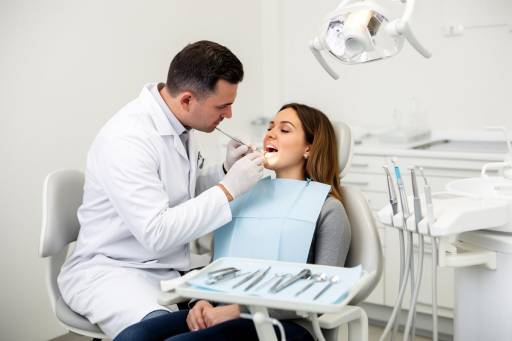
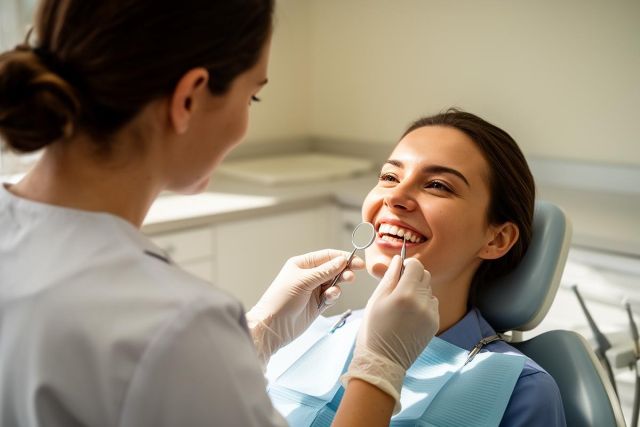
The tooth reshaping procedure is straightforward and typically completed in a single visit to the dentist, making it a convenient option for those seeking quick cosmetic improvements. The process begins with a comprehensive dental examination, during which your dentist will assess the teeth targeted for reshaping and may use dental imaging or photographs to plan the contouring precisely. This careful planning helps ensure that the reshaping enhances your smile while maintaining tooth strength and function.
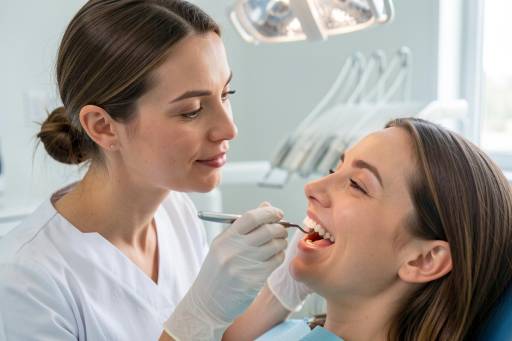
During the procedure, your dentist will use specialized tools such as sanding discs, strips, or fine burs to gently remove small amounts of enamel from the targeted teeth. The goal is to smooth out rough edges, reduce excessive length, or improve symmetry and alignment in a way that looks natural and balanced. The amount of enamel removed is minimal and carefully controlled to avoid compromising the tooth’s integrity.
Because enamel does not contain nerve endings, the procedure usually causes little to no discomfort, and anesthesia is rarely necessary. However, if you have sensitive teeth or anxiety about dental procedures, your dentist may offer a local anesthetic or other comfort measures. After reshaping, your dentist may polish the teeth to enhance their smoothness and overall appearance, leaving your smile looking refined and refreshed.
Post-treatment care involves maintaining good oral hygiene practices, including regular brushing and flossing, to protect the newly shaped enamel. Your dentist may also advise you to avoid habits that could damage the reshaped teeth, such as biting nails, chewing on hard objects, or using your teeth to open packages. Regular dental check-ups will allow your dentist to monitor the condition of your teeth and address any sensitivity or wear that may develop over time.
Benefits and Risks of Tooth Reshaping: Making an Informed Choice
The benefits of tooth reshaping include an improved smile appearance and increased confidence, achieved through a minimally invasive approach that preserves your natural teeth. Because the procedure involves only the removal of small amounts of enamel, it maintains the integrity of your teeth while correcting minor cosmetic imperfections. Tooth reshaping is a quick procedure that typically delivers immediate results, often completed in a single dental visit without the need for anesthesia or extensive recovery time.
This treatment is especially appealing for individuals who want subtle changes without the commitment or expense associated with more complex cosmetic dental work. By smoothing uneven edges, reducing tooth length, or improving symmetry, tooth reshaping can enhance the overall harmony of your smile in a natural-looking way.
However, there are some risks and limitations to consider before deciding on tooth reshaping. Because enamel is permanently removed during the procedure, the change to your teeth is irreversible. In some cases, this can lead to increased sensitivity to temperature changes or sweets, especially if too much enamel is removed or if the teeth were already sensitive prior to treatment. Over-reshaping can also weaken the tooth structure, increasing the risk of damage or decay, so it is essential that the procedure is performed carefully by a skilled and experienced dentist.
Tooth reshaping is not suitable for correcting major dental issues such as severe misalignment, large gaps between teeth, or extensive damage. For these conditions, orthodontic treatment, veneers, or crowns may be more appropriate. Understanding the realistic outcomes and potential side effects helps you make a well-informed decision about whether tooth reshaping is the right cosmetic option for your smile goals. Your dentist can provide guidance on the best approach based on your individual dental health and aesthetic preferences.
Maintaining Your New Smile: Tips for Long-Term Results
After tooth reshaping, maintaining good oral hygiene is essential to preserve the results and protect your teeth from potential damage or sensitivity. Brushing twice daily with a fluoride toothpaste helps strengthen the enamel and prevent decay, while flossing regularly removes plaque and food particles from between the teeth and along the gumline, supporting overall gum health.
In addition to daily oral care, it is important to avoid habits that could harm the reshaped enamel. Activities such as nail-biting, using your teeth to open packages or bottles, or chewing on hard items like ice, pens, or hard candies can cause chips, cracks, or wear to the newly contoured surfaces. Being mindful of these behaviors helps prolong the lifespan of the reshaping results and maintains the integrity of your teeth.
Regular dental check-ups are crucial for monitoring the condition of your teeth following reshaping. During these visits, your dentist can assess any signs of sensitivity, enamel wear, or other issues that may arise and provide timely interventions if needed. In some cases, additional cosmetic treatments such as teeth whitening or bonding may be recommended to complement and sustain the improvements achieved through tooth reshaping. Bonding can help repair minor chips or add shape where necessary, while whitening enhances the overall brightness of your smile.
Following your dentist’s advice on care and maintenance is key to ensuring that your smile remains attractive and healthy over time. This includes professional cleanings, avoiding harmful habits, and addressing any discomfort or changes promptly. By taking these steps, you can enjoy the benefits of your reshaped smile for many years to come.
Find the Right Cosmetic Dental Treatment for Your Smile
Answer a few short questions and HealthNode will help you connect with the right cosmetic dentist or smile design specialist.
Current Teeth and Treatment Interest
This helps us understand whether whitening, bonding, veneers, aligners, crowns, or a smile makeover may be more suitable.
Dental Health Check
A few details help the dentist understand whether any dental treatment may be needed before cosmetic work.
Contact information
Your information is only used to contact you and is never shared with third parties.
Your request has been received!
Thank you. If you have recent dental photos, dental X-rays, smile design plans, previous whitening, veneer, bonding, crown, or orthodontic records, please keep them ready. A HealthNode consultant will guide you through the next step.
Frequently Asked Questions
Q: Is tooth reshaping painful?
A: Most patients experience minimal discomfort during tooth reshaping. The procedure usually does not require anesthesia because enamel removal is gentle. If you have concerns about pain, discuss them with your dentist beforehand to ensure your comfort.
Q: How long does tooth reshaping last?
A: The results of tooth reshaping are permanent since enamel is physically removed. However, the longevity depends on your oral habits and dental health. Maintaining good hygiene and routine dental visits help preserve your reshaped teeth.
Q: Are there any risks or side effects?
A: While risks are low, some patients may experience temporary tooth sensitivity or uneven contouring. Choosing a qualified dentist to perform the procedure minimizes these risks and ensures the best outcome.
Q: How much does tooth reshaping cost?
A: The cost varies depending on the extent of reshaping and geographic location. It is best to consult a dental professional for an accurate estimate tailored to your treatment plan.
Q: Can tooth reshaping be combined with other treatments?
A: Yes, tooth reshaping is often combined with cosmetic procedures like teeth whitening or dental bonding. This combination can enhance overall smile aesthetics for more comprehensive results.
The information provided is for educational purposes only and does not constitute medical advice. Always consult with a healthcare professional for medical guidance specific to your situation.