Can a Dental Plan Classify Front-Tooth Bonding as Cosmetic Rather Than Restorative Treatment?
Front-tooth bonding insurance coverage depends on why the tooth was treated. Check plan wording, claim records, and review options before estimating costs.
Explore filling prices based on cavity size, material, tooth location, and the number of surfaces restored.

Front-tooth bonding insurance coverage depends on why the tooth was treated. Check plan wording, claim records, and review options before estimating costs.

Dental predetermination for fillings estimates plan benefits before treatment. Check what a response confirms, why totals change, and how to plan your share.

Tooth restoration in Turkey may require insurer-specific paperwork. Check coverage, request itemized records, and prepare your claim before you travel.
Get a free consultation and talk through symptoms, treatment options, and possible care paths with our coordination team.
Get Free Consultation
Dental plan overseas treatment rules can affect filling reimbursement. Check location, materials, claim documents and limits before booking care in Turkey.

Alternative benefit dental insurance can change your filling allowance. Check your plan terms, estimate, and explanation of benefits before treatment.

Dental filling warranty terms guide you to make informed replacement decisions and ensure long-term coverage and care.

CDC's 24-month rule guides dental filling replacements, helping you plan treatment and understand when to seek dental care effectively.
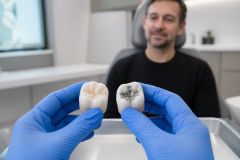
CDCP reimbursement for composite and amalgam fillings varies based on coverage policies and material costs. Learn how insurance differences affect payments.

Explore key costs international patients face for tooth restoration in Turkey, including procedure, travel, and quality care considerations.

Discover the average cost of dental fillings in Turkey and factors affecting prices to plan affordable, quality dental care abroad.
The cost of a dental filling depends on the size of the cavity, number of tooth surfaces involved, filling material, tooth location, and country of treatment. Small fillings generally cost less than large restorations involving several surfaces.
Composite resin is frequently used for tooth-colored restorations. Ceramic, gold, and laboratory-made inlays or onlays are generally more expensive because they require additional materials, impressions or digital scans, and laboratory work.
Back teeth may cost more to restore when the cavity is large or difficult to access. Deep decay may require a protective liner, pulp treatment, root canal therapy, or crown, increasing the total cost.
Additional fees may include examination, X-rays, local anesthesia, replacement of an old filling, temporary restoration, or emergency treatment.
Patients should ask whether the quoted price is based on the number of surfaces and whether follow-up bite adjustments are included.
Choosing the least expensive filling material may not always provide the best long-term value. Durability, appearance, cavity size, bite forces, and future repair needs should all be considered.