Several Teeth Need Restoring: Can UK Patients Plan the Work in Turkey as One Treatment Course?
Dental restoration in Turkey allows UK patients to plan multiple procedures as one comprehensive treatment course, maximizing efficiency and cost savings.
Learn how fillings and restorative procedures repair cavities, fractures, wear, and minor tooth damage.

Dental restoration in Turkey allows UK patients to plan multiple procedures as one comprehensive treatment course, maximizing efficiency and cost savings.

Replacing several old fillings in Turkey requires prioritizing treatment based on severity and risk to ensure effective dental care.
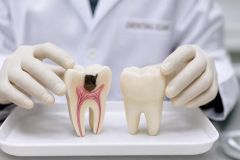
Tooth restorations involving five surfaces are more complex than small fillings, affecting procedure, materials, and long-term care.
Get a free consultation and talk through symptoms, treatment options, and possible care paths with our coordination team.
Get Free Consultation
Dental treatment plans may change after decay removal due to cavity size and tooth condition. Learn why larger restorations can become necessary.

Filling replacement depends on factors like material wear, oral health, and filling lifespan. Learn when to consult your dentist for evaluation.

Explore key materials used for dental fillings and restorations, including benefits, durability, and how to choose the right option for your dental health.

Learn key factors that determine if a damaged tooth is restorable, including assessment criteria, treatments, and the role of early dental care.

Explore how dental fillings and restorations treat cavities, broken teeth, and wear to maintain your oral health effectively.

Explore various dental fillings and restorations to restore your oral health. Learn about options, materials, and how to choose the best fit for you.

Explore the key differences between dental fillings and tooth restorations to understand your dental repair options and treatment suitability.
Dental fillings are used to restore teeth affected by decay, small fractures, enamel damage, erosion, or wear. During treatment, the dentist removes damaged or decayed tissue, cleans the area, and places a restorative material.
Common materials include composite resin, glass ionomer, ceramic, gold, and dental amalgam. Tooth-colored composite is widely used in visible areas because it can be matched to the surrounding enamel.
Small and moderate defects may be repaired with direct fillings completed in one appointment. Larger areas of damage may require an inlay, onlay, overlay, or crown produced in a dental laboratory.
Diagnosis may involve visual examination, dental X-rays, sensitivity testing, and evaluation of the bite. Early cavities may not cause symptoms, while deeper decay can lead to sensitivity, pain, food trapping, infection, or fracture.
The choice of restoration depends on the size and position of the cavity, remaining tooth structure, bite pressure, aesthetic expectations, moisture control, and risk of future decay.
Treating decay early may reduce the likelihood of root canal treatment or tooth extraction.