What Is Dental Implant Surgery?
Discover what dental implant surgery involves, including the procedure, benefits, and tips for patients seeking dental restoration abroad.
Learn how dental implants replace missing teeth, how the procedure is performed, and who may be a suitable candidate.

Discover what dental implant surgery involves, including the procedure, benefits, and tips for patients seeking dental restoration abroad.

Explore the main types of dental implants available for tooth replacement and learn which option suits your oral health needs best.

Learn how dental implants may impact nearby teeth, including benefits and risks. Understand factors influencing oral health after implantation.
Get a free consultation and talk through symptoms, treatment options, and possible care paths with our coordination team.
Get Free Consultation
Learn how dental implants help preserve jawbone health by stimulating natural bone growth and preventing deterioration after tooth loss.

Discover how dental implants improve speech clarity by replacing missing teeth and restoring oral function. Learn about benefits and care tips.

Discover how dental implants restore chewing function and improve oral health, with insights for international patients considering treatment abroad.

Explore the key differences between dental implants and natural teeth, including structure, function, and care to make informed dental health choices.

Explore the purpose and benefits of dental implants as a durable, functional solution for missing teeth. Learn about candidacy and care.
Discover if you're a good candidate for dental implants. Learn about key health factors like bone density and lifestyle that ensure successful outcomes.

Discover how dental implants can restore your smile and improve oral health. Learn about the procedure, benefits, and factors affecting costs today.
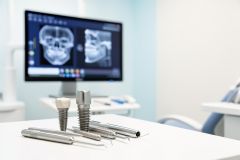
Dental implants are fixed tooth-replacement solutions used to restore one missing tooth, several missing teeth, or an entire dental arch. An implant usually consists of a titanium or ceramic post placed into the jawbone, an abutment, and a dental crown, bridge, or full-arch prosthesis.
Treatment generally begins with a dental examination, digital imaging, and an evaluation of the gums and jawbone. Cone beam computed tomography may be used to measure bone volume, identify nearby nerves and sinuses, and determine the most appropriate implant position. Patients with insufficient bone may require bone grafting, ridge augmentation, or sinus lift surgery before implant placement.
During the procedure, the implant is inserted into the jawbone under local anesthesia or sedation. A healing period then allows the implant to integrate with the surrounding bone. Once sufficient stability has been achieved, the final restoration is attached.
Suitable candidates typically have healthy gums, adequate bone support, controlled medical conditions, and the ability to maintain good oral hygiene. Smoking, uncontrolled diabetes, active gum disease, and certain medications may affect healing and long-term success.