When Is Pain Around a Dental Implant a Sign of a Problem?
Pain around a dental implant can signal healing or complications. Learn to recognize signs that require dental evaluation and care guidance.
Understand the possible risks of dental implant surgery, including infection, implant failure, nerve injury, and bone loss.

Pain around a dental implant can signal healing or complications. Learn to recognize signs that require dental evaluation and care guidance.

Dental implant loosening can result from infection, bone loss, or mechanical issues. Learn causes, signs, and prevention tips to maintain implant stability.

Dental implant failure can occur when the implant does not properly fuse with the jawbone. Learn about causes, signs, risks, and care to improve success.
Get a free consultation and talk through symptoms, treatment options, and possible care paths with our coordination team.
Get Free Consultation
Gum disease can develop around dental implants and affect their stability. Learn how to recognize, prevent, and manage gum disease near implants.

Early signs of dental implant infection include pain, swelling, and redness. Learn to recognize symptoms early to protect your oral health.

Explore how teeth grinding can affect dental implants and learn effective prevention and management strategies to protect your oral health.

Learn why dental implant bleeding happens, when it's normal, and when to seek help for safe healing and implant health.

Learn about dental implant rejection, causes, and how to reduce risks when choosing implants abroad. Understand success factors for safe treatment.

Explore how common sinus complications are, their risk factors, and signs to watch for to protect your sinus health effectively.
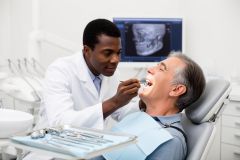
Explore sinus problems after upper dental implants including causes, symptoms, prevention, and treatments to protect your sinus health.
Dental implant treatment has a high success rate, but it is a surgical procedure and carries potential risks. Early complications may include bleeding, swelling, bruising, pain, infection, delayed healing, or failure of the implant to integrate with the jawbone.
Implant failure can occur when the implant does not achieve sufficient stability or when the surrounding bone does not heal properly. Factors such as smoking, uncontrolled diabetes, poor oral hygiene, active periodontal disease, excessive bite pressure, and certain medical treatments may increase the risk.
Implants placed in the upper jaw may be positioned close to the sinus cavity. In rare cases, sinus membrane damage or sinus communication may occur. Lower jaw implants may be located near important nerves, creating a small risk of temporary or permanent numbness, tingling, or altered sensation.
Long-term complications may include peri-implant mucositis, peri-implantitis, progressive bone loss, loosening of implant components, crown fracture, or damage to the prosthetic restoration. Teeth grinding can place additional pressure on implants and increase mechanical complications.
Careful planning, experienced surgical placement, good oral hygiene, and regular dental monitoring can significantly reduce these risks.