What Should UK Patients Check Before Planning Dental Veneers in Turkey?
Dental veneers in Turkey offer cost-effective cosmetic treatment but require careful clinic accreditation, cost comparison, and post-care planning for UK patients.
Learn how veneers improve tooth color, shape, symmetry, and smile appearance using thin cosmetic restorations.

Dental veneers in Turkey offer cost-effective cosmetic treatment but require careful clinic accreditation, cost comparison, and post-care planning for UK patients.
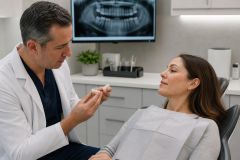
Dental veneers and crowns offer different benefits and limitations. Ask key questions to choose the best option for your smile and dental health.
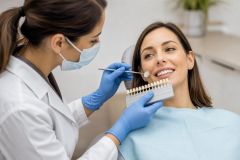
Existing fillings or crowns can influence dental veneer treatment plans. Learn how professionals assess compatibility for optimal results.
Get a free consultation and talk through symptoms, treatment options, and possible care paths with our coordination team.
Get Free Consultation
Explore the key differences between direct and indirect veneers, including benefits, costs, and treatment times to choose the right cosmetic dental option for you.

Explore how dental veneers can be customized to match natural teeth in color, shape, and translucency for a seamless, natural look.

Explore how dental veneers can achieve a natural look through material choice, shade matching, and expert application for a confident smile.

Explore how dental veneers can improve discoloration, chips, gaps, and misshapen teeth to enhance your smile and dental function.
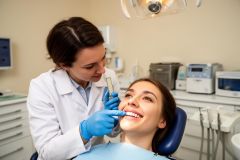
Dental veneers transform teeth by improving color, shape, and alignment, enhancing your smile and confidence with lasting aesthetic benefits.

Discover what dental veneers are used for, their types, benefits, and how they enhance your smile and oral health effectively.
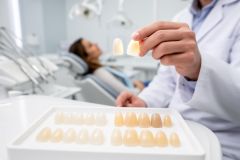
Explore the types of dental veneers, including porcelain and composite. Discover their benefits, costs, and maintenance tips to enhance your smile today.
Dental veneers are thin restorations bonded to the front surfaces of teeth to improve their color, shape, length, alignment, and overall appearance. They are commonly used for teeth that are stained, chipped, worn, irregularly shaped, slightly misaligned, or separated by small gaps.
Veneers may be made from porcelain, ceramic, or composite resin. Porcelain veneers are usually created in a dental laboratory and are known for their natural appearance and stain resistance. Composite veneers are applied directly to the teeth and may be completed in fewer appointments.
Treatment normally begins with an evaluation of the teeth, gums, bite, and smile proportions. Photographs, digital scans, X-rays, and smile design software may be used. Some patients receive a mock-up or temporary preview before treatment.
Traditional veneers usually require the removal of a small amount of enamel. Minimal-preparation and no-preparation options may be suitable in selected cases but are not appropriate for every patient.
Veneers are primarily cosmetic and cannot correct active decay, gum disease, severe bite problems, or significant structural damage. These conditions should be treated before veneer placement.