Can Dentures Replace All Missing Teeth?
Discover how dentures can replace all missing teeth, their types, benefits, limitations, and care tips to help you make informed decisions.
Learn about removable and fixed prosthetic options for replacing multiple missing teeth or a complete dental arch.
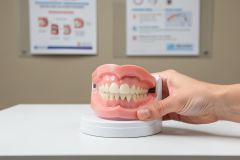
Discover how dentures can replace all missing teeth, their types, benefits, limitations, and care tips to help you make informed decisions.
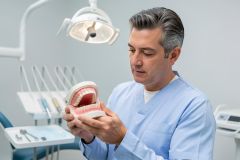
Learn what full-mouth prosthetic rehabilitation is, the procedures involved, and how it restores dental function and aesthetics.

Explore how dentures and full-mouth prosthetics address common dental problems like tooth loss and decay to restore oral health and function.
Get a free consultation and talk through symptoms, treatment options, and possible care paths with our coordination team.
Get Free Consultation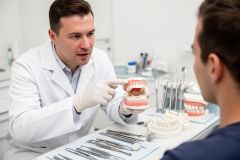
Learn how dentures and full-mouth prosthetics restore dental function and aesthetics, including types, procedures, materials, and care tips.
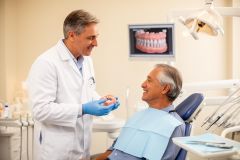
Explore dentures and full-mouth prosthetics for dental restoration. Understand options, benefits, and care to make informed choices about tooth replacement.
Dentures and full-mouth prosthetic treatments are used to replace several missing teeth or an entire upper or lower dental arch. Treatment options include complete dentures, partial dentures, implant-supported dentures, fixed implant bridges, and full-mouth rehabilitation.
Traditional dentures rest on the gums and can be removed by the patient. Implant-supported options attach to dental implants and may provide greater stability when eating and speaking. Fixed full-arch restorations remain in the mouth and can only be removed by a dental professional.
Treatment planning considers the number of missing teeth, jawbone condition, gum health, facial structure, bite relationship, medical history, and patient expectations. Adjustments may be required as the mouth adapts to the prosthesis. Proper cleaning, regular dental visits, and periodic maintenance are necessary to preserve oral health and treatment performance.