Quick Answer
Full-mouth rehabilitation includes a combination of restorative, cosmetic, and sometimes orthodontic dental treatments such as crowns, dental implants, bridges, and veneers tailored to restore the function, health, and aesthetics of the entire mouth.
- Full-mouth rehabilitation is a personalized, comprehensive dental approach addressing multiple dental issues simultaneously.
- Common treatments include dental crowns, implants, bridges, and veneers to restore damaged, missing, or worn teeth.
- The process begins with a detailed oral health evaluation using diagnostic tools like X-rays and digital scans.
- Treatment plans are customized based on individual dental conditions, functional needs, and aesthetic goals.
- Preparation involves thorough consultation, medical history review, and sometimes preoperative care like infection treatment or extractions.
- The goal is to restore chewing function, reduce pain, improve speech, and enhance smile aesthetics.
- Successful rehabilitation requires an experienced dental team, often involving specialists such as prosthodontists and periodontists.
What Treatments Are Included in Full-Mouth Rehabilitation?
Full-mouth rehabilitation is a highly personalized and comprehensive dental treatment approach designed to restore the function, health, and aesthetics of your entire mouth. Rather than addressing isolated dental problems, this method combines multiple procedures tailored specifically to your unique needs, often involving restorative, cosmetic, and sometimes orthodontic treatments. It aims to resolve a variety of dental issues simultaneously, such as worn or damaged teeth, missing teeth, bite misalignment, and gum disease, ultimately improving not only your oral health but also your overall quality of life.
Individuals who may benefit from full-mouth rehabilitation often include those who have experienced extensive dental damage due to factors like tooth decay, trauma, or chronic wear from habits such as grinding. Additionally, patients with bite problems that cause discomfort or difficulty chewing, or those suffering from periodontal disease affecting the gums and supporting bone, can find significant improvement through this approach. The goal is to rebuild your teeth and gums into a healthy, functional state that supports proper chewing, speaking, and smiling.
Because full-mouth rehabilitation is a complex and multifaceted process, it requires careful planning and close coordination between you and your dental care team. This collaboration ensures that the treatment plan is customized to your oral condition, lifestyle, and expectations. Understanding the scope and commitment involved helps you prepare mentally and physically for the journey ahead, setting the foundation for a successful outcome that enhances both your dental health and self-confidence.
Restore Your Smile, Bite, and Chewing Function
Answer a few short questions and HealthNode will help you connect with the right prosthodontic, restorative, or full-mouth rehabilitation specialist.
Function, Comfort, and Appearance
This helps us understand whether your main need is chewing function, bite correction, smile restoration, or replacement of existing dental work.
Previous Dental Work and Treatment Options
A few details help the specialist understand whether crowns, bridges, implants, veneers, dentures, or a combined plan may be needed.
Dental Health and Planning Factors
These details help the specialist understand whether any gum, bone, bite, or healing factors may affect your treatment plan.
Contact information
Your information is only used to contact you and is never shared with third parties.
Your request has been received!
Thank you. If you have dental X-rays, panoramic X-ray, CBCT scan, intraoral scan, photos, previous crown, bridge, implant, denture, veneer, root canal, or treatment plan records, please keep them ready. A HealthNode consultant will guide you through the next step.
Comprehensive Insights into Full-Mouth Rehabilitation
Full-mouth rehabilitation is an extensive and coordinated dental treatment plan designed to restore the health, function, and appearance of your entire mouth. Unlike isolated dental procedures that address single issues, full-mouth rehabilitation tackles multiple dental problems across all teeth and gums in a comprehensive manner. This approach is often recommended for patients who have experienced significant dental damage due to factors such as tooth decay, trauma, erosion from acid or wear, or bite problems that impair chewing and speaking.
The process begins with a detailed evaluation of your oral health, including diagnostic tools like X-rays, digital scans, and impressions to capture the precise condition of your teeth and gums. Based on this information, your dentist develops a personalized treatment plan that may combine restorative procedures such as crowns, bridges, and implants with cosmetic enhancements like veneers and teeth whitening. The goal is to improve not only your dental function but also the overall aesthetics of your smile, resulting in a balanced and healthy mouth.
Full-mouth rehabilitation can benefit a diverse range of patients, including those recovering from accidents or dental trauma, individuals with chronic dental wear from grinding or acid erosion, and those suffering from gum disease or bite misalignment. The treatment is highly adaptable, meaning it can be as extensive or as conservative as necessary to meet your unique dental condition and personal goals.
Throughout the process, your dental team will focus on creating a stable, functional bite and a pleasing appearance while ensuring long-term oral health. This holistic approach seeks to provide a durable and lasting dental solution tailored specifically to you, enhancing both your oral health and quality of life.
Common Dental Treatments Included in Full-Mouth Rehabilitation
Full-mouth rehabilitation typically involves a combination of several dental procedures, each playing a crucial role in restoring your oral health and function. One of the most common treatments is the placement of dental crowns, which are custom-made caps that cover damaged or weakened teeth. Crowns restore the tooth’s shape, strength, and function, and are often used after root canal therapy or to protect teeth with extensive decay or fractures.
Dental implants are another cornerstone of full-mouth rehabilitation. These are titanium posts surgically placed into the jawbone to serve as artificial tooth roots. Implants provide a stable and durable foundation for crowns, bridges, or dentures, significantly improving chewing ability and preventing bone loss that typically occurs after tooth loss.
Bridges are fixed dental prosthetics used to fill gaps created by one or more missing teeth. They anchor to adjacent healthy teeth or implants, restoring your smile’s appearance and preventing surrounding teeth from shifting out of position, which can lead to bite problems.
Veneers are thin, custom-crafted shells placed on the front surfaces of teeth to enhance their appearance. They are often used to correct discoloration, chips, minor misalignments, or irregular shapes, contributing to the cosmetic aspect of full-mouth rehabilitation by creating a more uniform and attractive smile.
Each of these treatments is carefully selected based on your individual dental condition, functional requirements, and aesthetic goals. In many cases, a combination of these procedures is employed to achieve a comprehensive restoration that addresses both the health and appearance of your teeth and gums. Your dental team will tailor the treatment plan to ensure optimal results that meet your expectations and improve your oral health long-term.
How to Prepare for Your Full-Mouth Rehabilitation Journey
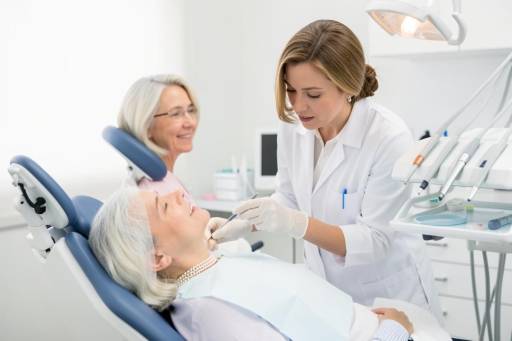
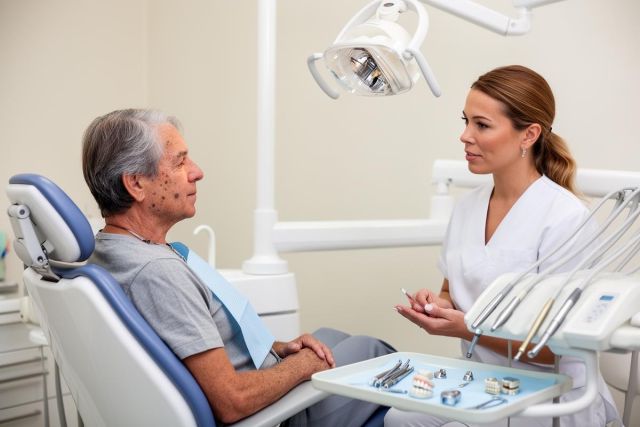
Preparing for your full-mouth rehabilitation journey begins with a comprehensive dental consultation, where your dentist will review your complete oral health history and conduct a thorough examination. This initial step is critical to identify all existing dental issues, including those that may not be immediately apparent, and to discuss your personal treatment goals, budget considerations, and desired timeline. Open and clear communication with your dental team during this phase ensures that the treatment plan is fully aligned with your expectations and lifestyle.
The treatment planning process may involve advanced diagnostic imaging, such as digital X-rays, CT scans, or 3D impressions, which allow your dentist to create precise models of your mouth. These tools are invaluable for designing restorations that fit perfectly and function optimally, minimizing discomfort and improving long-term success.
It is also important to disclose any medical conditions you have, such as diabetes or heart disease, and any medications you are taking, as these factors can influence treatment choices and healing. Your dentist may coordinate with your primary care physician to ensure your safety throughout the process.
Before beginning restorative procedures, preoperative care might include treating active dental infections, managing gum disease, or performing extractions if necessary. Maintaining excellent oral hygiene during this preparatory phase is essential to optimize healing and increase the likelihood of a successful outcome.
Your dental team will provide detailed instructions on how to care for your mouth during each stage of treatment, what to expect in terms of discomfort or recovery time, and how to manage any temporary restorations or appliances. Being well-prepared and informed helps reduce anxiety and promotes a smoother rehabilitation journey.
Benefits and Expectations: What Patients Should Know
Full-mouth rehabilitation offers a wide range of important benefits that can significantly improve your oral health and overall well-being. One of the primary advantages is the restoration of chewing function, allowing you to eat a variety of foods comfortably and efficiently. This improvement can contribute to better nutrition and digestion. Additionally, many patients experience a reduction or elimination of pain caused by dental issues such as damaged teeth, bite misalignment, or gum disease. Enhanced speech clarity is another benefit, as properly aligned and restored teeth can improve pronunciation and reduce lisps or other speech difficulties.
Aesthetic improvements are often a major motivating factor for patients. Restoring damaged, worn, or missing teeth can dramatically enhance the appearance of your smile, boosting self-esteem and confidence in social and professional settings. Beyond appearance, full-mouth rehabilitation helps prevent further oral health problems, such as jawbone deterioration that can occur after tooth loss, or bite issues that may lead to temporomandibular joint (TMJ) disorders.
It is essential to maintain realistic expectations about the treatment process and outcomes. Full-mouth rehabilitation typically requires multiple visits over several weeks or months, depending on the complexity of your case and the types of procedures involved. Healing times can vary; for example, dental implants require time for the bone to integrate with the implant, while gum treatments may need several weeks to fully heal.
While many restorations are designed to be durable and long-lasting, some components may require maintenance, adjustments, or replacement over time due to normal wear or changes in your oral health. Your dental team will provide detailed guidance on how to care for your new restorations, including oral hygiene practices and scheduling regular check-ups to monitor your progress.
Restore Your Smile, Bite, and Chewing Function
Answer a few short questions and HealthNode will help you connect with the right prosthodontic, restorative, or full-mouth rehabilitation specialist.
Function, Comfort, and Appearance
This helps us understand whether your main need is chewing function, bite correction, smile restoration, or replacement of existing dental work.
Previous Dental Work and Treatment Options
A few details help the specialist understand whether crowns, bridges, implants, veneers, dentures, or a combined plan may be needed.
Dental Health and Planning Factors
These details help the specialist understand whether any gum, bone, bite, or healing factors may affect your treatment plan.
Contact information
Your information is only used to contact you and is never shared with third parties.
Your request has been received!
Thank you. If you have dental X-rays, panoramic X-ray, CBCT scan, intraoral scan, photos, previous crown, bridge, implant, denture, veneer, root canal, or treatment plan records, please keep them ready. A HealthNode consultant will guide you through the next step.
Understanding both the benefits and the limitations of full-mouth rehabilitation empowers you to make informed decisions and prepares you for a successful treatment experience that enhances your quality of life.
Choosing the Right Dental Team for Your Full-Mouth Rehabilitation
Selecting an experienced and skilled dental team is absolutely vital for achieving a successful full-mouth rehabilitation. This complex process requires dentists who not only specialize in restorative and cosmetic dentistry but also have a proven track record of managing intricate cases involving multiple dental issues. Often, board-certified specialists such as prosthodontists, who focus on tooth replacement and restoration, or periodontists, who specialize in gum health and implant placement, will be involved depending on your specific needs. Their expertise ensures that each component of your treatment is handled with the highest level of care and precision.
During your initial consultation, it is important to ask detailed questions about the dentist’s experience with full-mouth rehabilitation cases, including the number of similar procedures they have performed and the outcomes. Inquire about the advanced technologies and materials they use, such as digital imaging, 3D modeling, or CAD/CAM restorations, which can enhance accuracy and comfort. Understanding their approach to treatment planning, including how they sequence procedures and manage healing times, will help you feel more confident about the process.
If your rehabilitation involves multiple specialists, discuss how the team coordinates care and communicates to ensure seamless treatment progression. A collaborative team approach is essential to address all aspects of your oral health comprehensively and to avoid complications or delays.
It is also important to consider the clinic environment and the communication style of the dental team. You should feel comfortable asking questions and receiving clear explanations throughout your treatment journey. Requesting before-and-after photos of previous patients can provide valuable insight into the potential outcomes and help set realistic expectations. Ultimately, having a trusted and experienced dental team by your side supports your confidence, reduces anxiety, and contributes significantly to your satisfaction with the full-mouth rehabilitation experience.
Frequently Asked Questions
Q: Is full-mouth rehabilitation painful?
A Most patients experience minimal discomfort thanks to modern anesthesia and sedation options. Your dentist will discuss pain management strategies with you.
Q: How long does a full-mouth rehabilitation typically take?
A The duration varies depending on individual needs but generally ranges from several weeks to a few months, including multiple appointments.
Q: Are the treatments permanent?
A Many procedures, like implants and crowns, are designed to be long-lasting with proper care, but some may require maintenance or replacement over time.
Q: Will insurance cover full-mouth rehabilitation?
A Coverage depends on your insurance plan and the specific treatments involved. It's best to consult with your provider beforehand.
Q: What should I consider when planning for full-mouth rehabilitation?
A Consider your overall health, dental history, budget, and the experience of your dental team. A thorough consultation will help tailor the treatment plan.
The information provided is for educational purposes only and does not constitute medical advice. Always consult with a healthcare professional for medical guidance specific to your situation.