When Dental Access Is Limited, Can an Impacted Tooth Problem Become an Emergency?
Impacted tooth problems can escalate to emergencies when dental access is limited. Learn how to recognize urgent symptoms and manage care safely.
Explore surgical treatments for impacted teeth, jaw conditions, dental infections, and complex oral health problems.

Impacted tooth problems can escalate to emergencies when dental access is limited. Learn how to recognize urgent symptoms and manage care safely.

Impacted wisdom teeth removal in the UK is no longer routine due to updated guidelines prioritizing patient safety and personalized care.

Explore how oral and maxillofacial surgery can be safe and beneficial for older adults, including candidacy criteria and care tips.
Get a free consultation and talk through symptoms, treatment options, and possible care paths with our coordination team.
Get Free Consultation
Explore sedation options for oral surgery, safety considerations, and how sedation improves patient comfort during procedures worldwide.

Learn how oral surgery procedures like root canal therapy and apicoectomy can help preserve your natural teeth effectively.
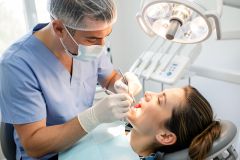
Explore how local anesthesia is used in oral surgery to ensure patient safety, comfort, and effective pain control during dental procedures.

Explore oral surgery under general anesthesia, including safety, procedures, and patient preparation for a comfortable experience.
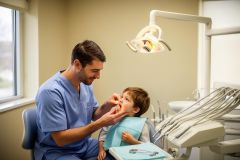
Explore oral and maxillofacial surgery for children, including safety, conditions treated, and how parents can prepare their child for surgery.

Learn which dental and facial problems need referral to an oral and maxillofacial surgeon and what to expect from specialized surgical care.

Learn the differences between oral surgeons and maxillofacial surgeons, including their roles, training, and procedures to choose the right specialist for your needs.
Oral and maxillofacial surgery includes surgical procedures involving the teeth, gums, jawbones, mouth, and surrounding facial structures. Common treatments include wisdom tooth removal, surgical tooth extraction, treatment of dental cysts, jaw surgery, bone grafting, and management of oral infections.
Some procedures can be performed under local anesthesia, while more complex operations may require sedation or general anesthesia. Treatment planning may involve panoramic X-rays, dental CT scans, digital imaging, and collaboration between dentists, orthodontists, and oral surgeons.
Recovery depends on the type and complexity of the surgery. Temporary swelling, bruising, discomfort, and dietary restrictions may occur. Patients should follow postoperative instructions carefully to reduce the risk of infection, bleeding, dry socket, delayed healing, or other complications.