What Is Surgical Orthodontics?
Learn what surgical orthodontics is, how orthognathic surgery corrects jaw issues, and who benefits from this advanced orthodontic treatment.
Explore braces and clear aligner treatments used to correct dental alignment and bite problems.
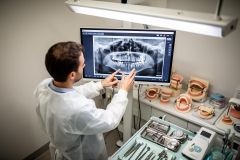
Learn what surgical orthodontics is, how orthognathic surgery corrects jaw issues, and who benefits from this advanced orthodontic treatment.

Explore adult orthodontics options, benefits, and considerations to improve your dental health and smile aesthetics in adulthood.

Interceptive orthodontic treatment guides early dental development to prevent complex issues. Learn its importance, devices used, and signs to watch for.
Get a free consultation and talk through symptoms, treatment options, and possible care paths with our coordination team.
Get Free Consultation
Explore the main goals of orthodontic treatment, including improving dental function, aesthetics, and oral health for lasting benefits.

Discover how orthodontic treatment improves more than just your smile. Learn the health and functional benefits beyond cosmetic reasons.

Explore whether age limits orthodontic treatment and learn how adults and seniors can benefit from braces and aligners safely.

Explore orthodontic treatment for teenagers, including timing, options, benefits, and preparation tips for healthy teen dental care.
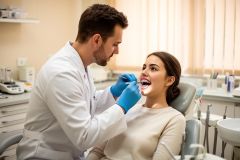
Explore orthodontics, its role in correcting dental alignment, common treatments, and benefits for oral health and aesthetics.
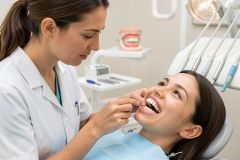
Discover the dental problems orthodontic treatment can correct, including misaligned teeth, overcrowding, and bite issues for better oral health.

Learn about orthodontic treatments, how they work, types available, and what to expect during your journey to better dental alignment.
Orthodontic treatments are designed to improve the alignment of the teeth and jaws. They may be recommended for crowded teeth, gaps, overbites, underbites, crossbites, open bites, and other alignment problems affecting appearance or oral function.
Treatment options include traditional metal braces, ceramic braces, lingual braces, and removable clear aligners. The most appropriate method depends on the complexity of the case, patient age, lifestyle preferences, treatment goals, and ability to follow care instructions.
Orthodontic treatment usually requires regular monitoring and may continue for several months or years. After active treatment, patients generally need to wear retainers to help maintain their new tooth positions. Correcting alignment may improve chewing, dental hygiene, speech, and smile appearance, although results and treatment duration vary between patients.