What Are the Main Goals of Dental Treatment?
Explore the main goals of dental treatment including oral health restoration, cosmetic improvements, and preventive care for lasting well-being.
Explore dental treatments designed to improve oral health, restore dental function, enhance your smile, and address common teeth and gum problems.

Explore the main goals of dental treatment including oral health restoration, cosmetic improvements, and preventive care for lasting well-being.

Medical history is crucial before dental treatment to ensure safety and effective care, especially for international patients seeking dental tourism.

Explore dental treatment age considerations and learn how personalized care makes dental procedures safe and suitable at any age.
Get a free consultation and talk through symptoms, treatment options, and possible care paths with our coordination team.
Get Free Consultation
Discover comprehensive dental treatment and its holistic approach to restoring and maintaining your oral health effectively.

Discover the key differences between surgical and non-surgical dental treatments, including procedures, benefits, recovery, and how to choose the best care for your needs.

Explore how dental treatments maintain and improve oral health, preventing complications and supporting overall well-being.

Explore common dental problems like cavities, gum disease, and tooth sensitivity, and learn about effective dental treatments available.
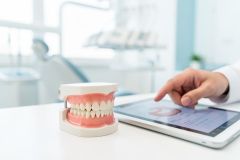
Discover how to choose the right dental treatment tailored to your needs. Gain insights on evaluating options, costs, and asking the right questions for optimal care.

Discover essential dental treatments to enhance your oral health. Learn about preventive care, restorative services, and how they can save you money. Schedule your visit today!
Dental treatments include preventive, restorative, cosmetic, surgical, and orthodontic procedures used to protect oral health and improve the appearance and function of the teeth. Treatment options may range from routine dental cleanings and fillings to dental implants, veneers, crowns, root canal therapy, orthodontics, and oral surgery.
The most appropriate dental treatment depends on factors such as the condition of the teeth and gums, the patient’s overall health, treatment expectations, and budget. Some procedures can be completed in a single appointment, while treatments such as dental implants or orthodontics may require several visits over a longer period.
HealthNode provides clear information about dental procedures, including how treatments are performed, who may be a suitable candidate, potential benefits and risks, recovery expectations, costs, and treatment options available in different countries. Patients should always consult a qualified dentist for an individual examination and personalized treatment plan.