Quick Answer
Early dental care is important for children because it ensures proper oral health development, prevents dental problems, and establishes healthy dental habits from a young age. Scheduling the first dental visit by the first birthday allows for early detection of issues and guidance on effective oral hygiene.
- Early dental care begins with the eruption of the first tooth, typically around six months of age, and is crucial for monitoring oral development and preventing cavities and other dental problems.
- Pediatric dentists provide specialized care tailored to children's unique dental needs, helping reduce anxiety and making dental visits comfortable and effective.
- Common childhood dental issues include cavities, baby bottle tooth decay, and orthodontic problems, all of which benefit from early detection and intervention.
- Establishing good dental habits early, such as regular brushing with appropriate fluoride toothpaste and limiting sugary snacks, supports lifelong oral health.
- The first dental visit should occur by the child's first birthday or within six months after the first tooth erupts to allow for early assessment and education.
- Regular dental visits help children become accustomed to dental care, reducing fear and encouraging consistent oral hygiene practices.
- Pediatric dentists also monitor growth and development to address orthodontic concerns early, potentially reducing the need for complex treatments later.
Why Is Early Dental Care Important for Children?
Early dental care is essential for ensuring your child's oral health develops properly and for preventing dental problems later in life. Initiating dental visits by the time the first tooth appears or by the child's first birthday allows for early detection of potential issues, guidance on effective oral hygiene practices, and the establishment of healthy dental habits. This proactive approach supports not only your child's teeth but also their overall well-being and self-confidence.
Children's teeth undergo rapid development during the first few years, making them particularly vulnerable to cavities, misalignment, and other dental concerns. Pediatric dentistry addresses these unique needs through gentle, specialized care tailored specifically for children. Early dental care also helps children become comfortable with dental visits, reducing anxiety and encouraging regular checkups as they grow.
Understanding the importance of early dental care empowers parents to take informed steps to protect their child's smile. This includes recognizing when to schedule the first dental visit, identifying common childhood dental issues, and fostering positive dental habits from the very start. By prioritizing early dental care, you help lay the groundwork for a lifetime of healthy teeth and gums, contributing to your child's overall health and happiness.
Find the Right Dental Care for Your Child
Answer a few short questions and HealthNode will help you connect with the right pediatric dentist or child-friendly dental specialist.
Symptoms and Comfort
This helps us understand whether your child may need routine care, cavity treatment, urgent dental review, or a child-friendly approach.
Previous Dental Care and Treatment Interest
A few details help the dentist understand what type of pediatric dental care may be most suitable.
Final Details
Share anything important so the pediatric dentist can better understand your child’s needs.
Contact information
Your information is only used to contact you and is never shared with third parties.
Your request has been received!
Thank you. If you have dental X-rays, photos of the tooth or gums, previous treatment notes, orthodontic records, medication history, or details about pain, swelling, injury, or cavities, please keep them ready. A HealthNode consultant will guide you through the next step.
Why Early Dental Care is Crucial for Your Child’s Health
Early dental care is fundamental in establishing a strong foundation for your child's lifelong oral health. Pediatric dentistry focuses on preventive care that begins as soon as the first tooth erupts, typically around six months of age, which is a critical period for monitoring oral development. Early dental visits allow for the detection of potential problems such as cavities, misaligned teeth, or developmental abnormalities before they progress to more serious conditions.
Regular dental visits from an early age serve multiple purposes: they educate children and parents about proper oral hygiene practices, acclimate children to the dental environment, and reduce fear or resistance to dental care. Preventive dentistry includes professional cleanings to remove plaque and tartar, fluoride treatments to strengthen tooth enamel, and guidance on brushing and flossing techniques appropriate for your child's age.
Neglecting early dental care can lead to tooth decay, pain, infection, and the need for more complex and costly treatments later in life. Furthermore, poor oral health in childhood can have broader health implications, as oral infections may affect other systems in the body. Establishing good oral health routines during childhood supports not only the teeth and gums but also overall well-being.
Early dental care also plays a role in monitoring growth and development, allowing for timely intervention if orthodontic issues arise. By prioritizing early dental care, parents help their children grow up with healthy teeth, a confident smile, and positive attitudes toward maintaining oral health throughout their lives.
Common Dental Issues in Children and How Early Care Helps
Children commonly face several dental problems, including cavities, baby bottle tooth decay, and orthodontic issues, all of which can significantly impact their oral health if not addressed early. Cavities, or dental caries, are the most frequent childhood dental concern and can develop rapidly when oral hygiene is insufficient or when children consume sugary foods and drinks frequently. The bacteria in the mouth feed on sugars, producing acids that erode tooth enamel, leading to decay.
Baby bottle tooth decay is a specific form of early childhood caries that occurs when infants fall asleep with bottles containing sugary liquids such as milk, formula, or juice. The prolonged exposure to sugar and reduced saliva flow during sleep accelerates decay, particularly affecting the front teeth. This condition can cause pain, infection, and difficulties in eating and speaking.
Orthodontic problems, including crowding, misaligned teeth, or bite issues, can also begin to manifest early in childhood. These conditions may result from genetic factors, habits like thumb sucking, or premature loss of baby teeth. Early intervention by a pediatric dentist is crucial to identify these issues and recommend appropriate treatments or monitoring. Timely orthodontic care can guide proper jaw growth and tooth alignment, potentially reducing the need for more extensive procedures in adolescence or adulthood.
By addressing these dental concerns early, parents can help reduce the risk of pain, infections, and more complex and costly dental treatments later on. Early visits to a pediatric dentist provide personalized advice on preventing decay through proper oral hygiene, dietary management, and fluoride use. They also enable planning for orthodontic care if needed, ensuring that your child’s smile remains healthy, functional, and comfortable as they grow.
Tips for Parents: Establishing Good Dental Habits Early
Helping your child develop healthy dental habits from an early age is essential for establishing a lifetime of good oral health. Begin by brushing your child's teeth twice daily using a soft-bristled toothbrush designed for infants or toddlers. For infants, use a rice-sized amount of fluoride toothpaste, increasing to a pea-sized amount as your child grows older and can spit effectively. This helps prevent cavities while minimizing the risk of swallowing too much fluoride.
Encouraging your child to adopt regular brushing routines can be made enjoyable by incorporating songs, games, or timers that make the process interactive and fun. Positive reinforcement and praise for good brushing habits can motivate your child to maintain consistency. It's also important to supervise brushing until your child has the dexterity to do it effectively on their own, which is usually around age six or seven.
Limiting sugary snacks and drinks is critical because frequent exposure to sugar increases the risk of cavities. Instead, promote a balanced diet rich in fruits, vegetables, whole grains, and dairy products, which provide essential nutrients that support strong teeth and gums. Avoid letting your child sip sugary beverages throughout the day, and encourage drinking water, especially fluoridated tap water, to help wash away food particles and bacteria.
Dental anxiety is common among young children and can discourage regular dental visits. Use positive language when talking about dental care and appointments, avoid sharing frightening stories, and consider bringing a favorite comfort item to dental visits. Selecting a pediatric dentist experienced in working with children can also help your child feel safe and comfortable during appointments.
Consistency, patience, and a supportive approach are key to fostering positive dental habits that will benefit your child throughout their life. Establishing these routines early helps prevent dental problems and builds a foundation for a healthy smile.
When to Schedule Your Child’s First Dental Visit
The American Academy of Pediatric Dentistry recommends scheduling your child's first dental visit by their first birthday or within six months after the eruption of the first tooth. This early visit is important because it allows the dentist to evaluate your child's oral development at a critical stage and provide guidance on proper cleaning techniques tailored to infants and toddlers. It also offers an opportunity to discuss feeding habits, fluoride use, and other factors that influence dental health.
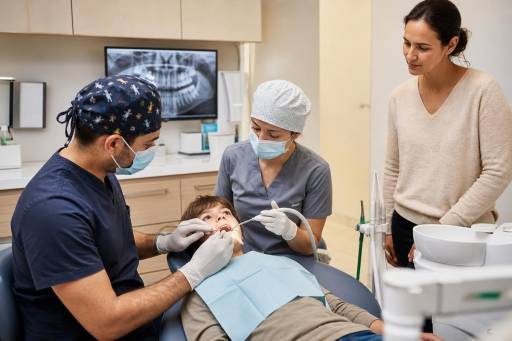
During the initial appointment, the pediatric dentist will conduct a gentle and thorough examination of your child's mouth, checking for any signs of cavities, abnormalities, or developmental concerns. This early assessment helps identify potential issues before they become more serious. The dentist will also discuss oral hygiene practices with you, providing practical tips on brushing, flossing, and diet to promote healthy teeth.
Importantly, the first dental visit helps your child become familiar with the dental office environment and staff, which can significantly reduce fear and anxiety in future appointments. Pediatric dentists are trained to make this experience positive and non-threatening, using child-friendly language and techniques.
While regular dental checkups are generally recommended every six months, your pediatric dentist may suggest a different schedule based on your child's individual needs, risk factors, or developmental progress. Planning these early visits ensures that preventive care is timely and effective, and it helps establish a routine that encourages lifelong oral health. Starting dental care early also empowers parents with knowledge and support to maintain their child's smile in the best possible condition.
The Role of Pediatric Dentists in Early Dental Care
Pediatric dentists specialize in the oral health of children from infancy through adolescence, providing care that is specifically tailored to the unique needs of growing children. Their advanced training equips them to manage a range of developmental issues that can arise as children’s teeth and jaws grow, including early identification and treatment of cavities, guidance on orthodontic care, and management of dental trauma. These specialists understand that children’s mouths are not just smaller versions of adult mouths; they require different techniques, equipment, and approaches to ensure effective and comfortable treatment.
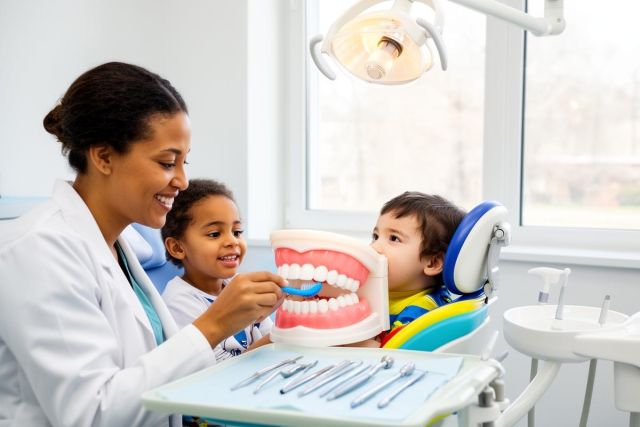
Creating a welcoming, child-centered environment is a hallmark of pediatric dental care. This approach helps reduce anxiety and fear, which are common barriers to dental visits for young patients. Pediatric dentists are skilled in behavior management techniques, such as positive reinforcement and distraction, which make visits more pleasant and less intimidating. They also use dental equipment sized appropriately for smaller mouths, which enhances comfort and safety during examinations and treatments.
Choosing a pediatric dentist means your child receives care that is carefully matched to their age and stage of development. This specialized dental care team works closely with parents to provide education on oral hygiene, nutrition, and preventive measures. By focusing on prevention and early intervention, pediatric dentists help establish a strong foundation for healthy teeth and gums that can last a lifetime. They also monitor growth and development to address potential orthodontic issues early, which can simplify or reduce the need for complex treatments later on. Ultimately, pediatric dentists play a vital role in fostering positive attitudes toward dental care, helping children build confidence in their oral health journey.
Find the Right Dental Care for Your Child
Answer a few short questions and HealthNode will help you connect with the right pediatric dentist or child-friendly dental specialist.
Symptoms and Comfort
This helps us understand whether your child may need routine care, cavity treatment, urgent dental review, or a child-friendly approach.
Previous Dental Care and Treatment Interest
A few details help the dentist understand what type of pediatric dental care may be most suitable.
Final Details
Share anything important so the pediatric dentist can better understand your child’s needs.
Contact information
Your information is only used to contact you and is never shared with third parties.
Your request has been received!
Thank you. If you have dental X-rays, photos of the tooth or gums, previous treatment notes, orthodontic records, medication history, or details about pain, swelling, injury, or cavities, please keep them ready. A HealthNode consultant will guide you through the next step.
Frequently Asked Questions
Q: At what age should my child have their first dental visit?
A: The American Academy of Pediatric Dentistry recommends scheduling the first dental visit by the child's first birthday or within six months after the first tooth erupts.
Q: Why is early dental care crucial for my child's health?
A: Early dental care helps prevent cavities, detect issues early, and establish healthy habits that contribute to lifelong oral health.
Q: How can I make dental visits less stressful for my child?
A: Use positive language, bring comfort items, and choose a pediatric dentist experienced in working with children to create a friendly environment.
Q: Are there specific foods I should avoid to protect my child's teeth?
A: Yes, limit sugary snacks and drinks, and promote a balanced diet rich in fruits, vegetables, and dairy products for healthy teeth.
Q: What are some signs that my child might have dental problems?
A: Watch for symptoms like tooth pain, sensitivity, difficulty chewing, or visible cavities and discoloration.
The information provided is for educational purposes only and does not constitute medical advice. Always consult with a healthcare professional for medical guidance specific to your situation.