Could Teeth Whitening Leave Crowns or Fillings Looking Darker Than Natural Teeth?
Teeth whitening can leave crowns or fillings looking darker as they do not bleach like natural teeth. Learn how to manage this discoloration.
Learn how professional teeth whitening removes stains and lightens the natural color of teeth.

Teeth whitening can leave crowns or fillings looking darker as they do not bleach like natural teeth. Learn how to manage this discoloration.

Teeth whitening in Turkey offers quality and affordability when you ask the right questions about clinic credentials, safety, and treatment outcomes.

Poorly fitting whitening trays can cause gum irritation, discomfort, and sensitivity. Learn symptoms, prevention tips, and when to see a dental professional.
Get a free consultation and talk through symptoms, treatment options, and possible care paths with our coordination team.
Get Free Consultation
Teeth whitening combined with other cosmetic dental treatments in Turkey offers US patients a comprehensive smile makeover with cost-effective care. Plan your visit confidently.

Existing crowns, veneers or fillings must be checked before teeth whitening to ensure safety and avoid uneven results. Learn why dental evaluation matters.

Professional teeth whitening in Turkey can be scheduled effectively during a short dental trip with proper planning and clinic selection.

Teeth whitening provider registration helps UK patients confirm safe, legitimate cosmetic dental care with verified credentials and compliance.

Teeth whitening at a beauty salon in the UK is legal only when performed under strict regulations by qualified practitioners. Learn the rules and safety tips.

Explore the various types of teeth whitening, including in-office, at-home, and natural methods, to find the best cosmetic dental option for you.
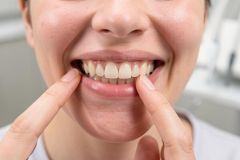
Explore safe and effective whitening options for teeth treated with root canal therapy. Learn about causes of discoloration and maintenance tips.
Teeth whitening is a cosmetic dental treatment used to reduce discoloration and create a brighter-looking smile. Professional whitening products usually contain hydrogen peroxide or carbamide peroxide, which break down staining molecules within the enamel and dentin.
Whitening may be performed in a dental clinic, at home using custom trays provided by a dentist, or through a combination of both methods. In-office treatment generally uses a higher concentration of whitening agent and may provide noticeable changes within one appointment. Home whitening produces more gradual results over several days or weeks.
Before treatment, a dentist should check for cavities, gum disease, enamel damage, cracked teeth, exposed roots, and leaking fillings. Professional cleaning may also be recommended to remove plaque, tartar, and surface stains.
Whitening works best on natural teeth with yellow or age-related discoloration. Crowns, veneers, bridges, implants, and fillings do not lighten in the same way. Internally stained teeth may require alternative treatments such as internal bleaching, bonding, veneers, or crowns.
Results depend on the original tooth color, cause of discoloration, whitening system, treatment duration, and patient habits.