What Makes Glaucoma a Chronic Disease?
Discover how glaucoma affects vision and learn about its chronic nature, symptoms, and effective management strategies to protect your eyesight today.
Glaucoma is a progressive eye disease that damages the optic nerve and can cause permanent vision loss if left untreated.

Discover how glaucoma affects vision and learn about its chronic nature, symptoms, and effective management strategies to protect your eyesight today.

Understand how glaucoma insurance coverage works and discover which treatments are typically included. Maximize your benefits for better eye health today.
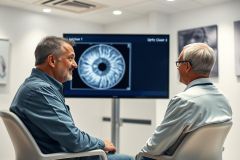
Discover how glaucoma can be inherited and the genetic factors at play. Learn the signs to watch for and the importance of regular eye exams to protect your vision.
Get a free consultation and talk through symptoms, treatment options, and possible care paths with our coordination team.
Get Free Consultation
Discover how glaucoma may progress despite treatment and the key factors affecting its management. Learn proactive steps to protect your vision today.

Glaucoma can significantly impact reading and driving by causing vision loss. Discover essential signs, safety tips, and strategies to maintain independence and enhance daily tasks.

Discover how glaucoma leads to optic nerve damage and learn vital warning signs. Stay informed with treatment options to safeguard your vision effectively.
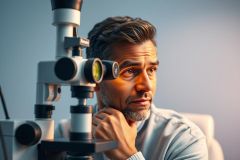
Early detection of glaucoma is vital for preserving vision. Discover key symptoms, risk factors, and the importance of regular screenings to protect your eye health.
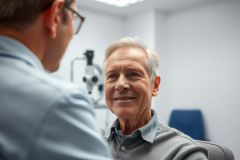
Discover how to live well with glaucoma through effective management strategies, lifestyle changes, and proactive eye care. Protect your vision and thrive today.
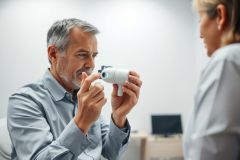
Understand key differences between glaucoma and high eye pressure to protect your vision. Discover symptoms, treatment options, and prevention strategies today.
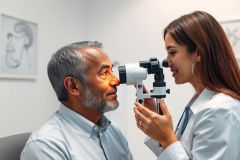
Discover how glaucoma relates to eye pressure and learn about other critical risk factors. Stay informed about symptoms and treatments to protect your vision.