Table of Contents
Does Smoking Affect Gum Disease Treatment Results?
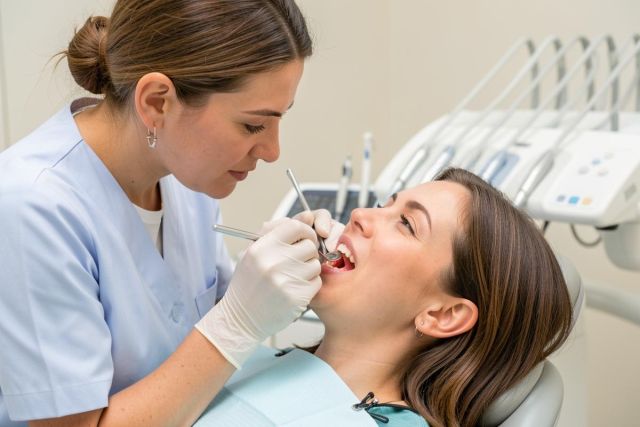
Smoking negatively affects the results of gum disease treatment by impairing healing, increasing the risk of treatment failure, and worsening disease progression. Tobacco use reduces blood flow to the gums, suppresses the immune response, and alters the oral environment in ways that make it harder for periodontal therapies to succeed. These effects combine to create a challenging environment for recovery and long-term oral health.
Gum disease, also known as periodontal disease, ranges from mild inflammation of the gums (gingivitis) to severe destruction of the supporting tissues around teeth (periodontitis). Effective treatment depends on controlling infection, reducing inflammation, and promoting tissue healing. When you smoke, these processes are compromised, which means your treatment outcomes may not be as good as if you did not smoke. Smoking not only affects the physical healing but also masks symptoms like gum bleeding, which can delay diagnosis and treatment.
Understanding how smoking interferes with gum disease treatments can help you make informed decisions about your oral health. Whether you are currently undergoing periodontal therapy or considering treatment, this insight can guide you toward better results and long-term gum health. Recognizing the risks associated with smoking and actively addressing them through cessation and lifestyle changes can significantly improve your prognosis and quality of life.
Get Support for Bleeding Gums and Gum Disease
Answer a few short questions and HealthNode will help you connect with the right dentist or gum disease specialist.
Symptoms and Severity
This helps us understand whether you may need routine cleaning, deep cleaning, periodontal care, or urgent dental review.
Previous Dental Care and Risk Factors
A few details help the specialist understand whether you may need deep cleaning, gum surgery, implant care, or ongoing periodontal maintenance.
Final Details
Share anything important so the dentist or periodontist can better understand your case.
Contact information
Your information is only used to contact you and is never shared with third parties.
Your request has been received!
Thank you. If you have dental X-rays, periodontal charting, gum pocket measurements, previous deep cleaning records, gum surgery records, implant records, or medication history, please keep them ready. A HealthNode consultant will guide you through the next step.
Gum Disease: Causes, Progression, and Treatment Options
Gum disease begins with the accumulation of plaque, a sticky film of bacteria that forms on your teeth throughout the day. If plaque is not removed regularly through proper oral hygiene practices such as brushing and flossing, it can harden into tartar, which further irritates the gums. This buildup of bacteria causes an inflammatory response in the gums known as gingivitis, characterized by redness, swelling, and bleeding during brushing. Gingivitis is the earliest and mildest form of gum disease and is reversible with professional dental cleaning and diligent home care.
If gingivitis is left untreated, it can progress to periodontitis, a more severe form of gum disease. In periodontitis, the infection spreads deeper below the gum line, causing the gums to pull away from the teeth and form pockets that trap more bacteria. This leads to the destruction of the connective tissues and bone that support the teeth. Over time, this damage can cause teeth to become loose and eventually fall out if not managed effectively.
Treatment options for gum disease depend on the severity and extent of the condition. In the early stages, professional dental cleanings combined with improved oral hygiene at home are often sufficient to control the infection and inflammation. For more advanced cases, your dentist may recommend scaling and root planing, a deep cleaning procedure that removes plaque and tartar from below the gum line and smooths the tooth roots to promote healing. In some situations, antibiotics may be prescribed to help control bacterial infection. In severe cases, surgical interventions such as flap surgery or bone grafts may be necessary to restore gum and bone health.
Maintaining regular dental visits and following your dentist’s recommendations are critical for successful treatment and long-term management of gum disease. Early detection and intervention can prevent irreversible damage and help preserve your natural teeth.
The Role of Smoking in Gum Disease Progression
Smoking is a well-established and significant risk factor for both developing and worsening gum disease. The chemicals found in tobacco products, including nicotine and tar, impair your body's immune system by reducing the effectiveness of immune cells that fight off bacterial infections. This weakened immune response makes it harder to control the bacterial buildup that causes gum disease.
Tobacco use also reduces blood flow to the gums by causing blood vessels to constrict. This limits the delivery of oxygen and essential nutrients that are critical for tissue repair and defense against infection. The reduced blood flow creates an environment where harmful bacteria can thrive, accelerating the destruction of gum tissue and bone that support your teeth.
Research consistently shows that smokers are more likely to experience severe forms of periodontitis, characterized by faster progression of gum damage and greater bone loss around teeth compared to non-smokers. This increased risk means that smoking not only contributes to the onset of gum disease but also makes the condition more aggressive and difficult to control. Furthermore, smokers often experience fewer symptoms in the early stages, which can delay diagnosis and treatment.
Understanding the role of smoking in gum disease progression underscores the importance of quitting tobacco use to protect your oral health. By eliminating smoking, you can reduce your risk of developing severe gum disease and improve your body's ability to respond to treatment.
How Smoking Impacts Gum Disease Treatment Outcomes
When you smoke, the success of gum disease treatments is significantly reduced, making it much harder to achieve optimal healing and long-term oral health. Smoking causes blood vessels to constrict, which decreases blood flow to the gums. This reduction in circulation limits the delivery of oxygen and essential nutrients necessary for tissue repair and regeneration. Additionally, smoking impairs the immune system's ability to fight infection by weakening the function of immune cells critical to controlling bacterial growth in the mouth. These combined effects delay healing and reduce the effectiveness of treatments designed to restore gum health.
Numerous studies consistently show that smokers respond less favorably to periodontal therapies than non-smokers. For example, after treatment, smokers often exhibit less reduction in gum pocket depths, the spaces between the teeth and gums where bacteria accumulate, and less gain in attachment levels, which measure how well the gums adhere to the teeth. Moreover, smokers tend to experience higher rates of disease recurrence and treatment failure, meaning the benefits of therapy may be short-lived without changes in smoking habits.
The stark contrast between smokers and non-smokers in treatment outcomes highlights the critical importance of addressing tobacco use during periodontal care. Quitting smoking can significantly enhance your body's natural healing processes, improve immune function, and increase the likelihood of successful treatment. While quitting may be challenging, doing so not only benefits your oral health but also your overall well-being. Dental professionals can provide guidance and support to help you quit, which is a vital step toward achieving and maintaining healthy gums after treatment.
Strategies to Improve Treatment Results for Smokers
Quitting smoking is the most effective way to improve your gum disease treatment outcomes. Tobacco cessation leads to reduced inflammation in the gums and restores better blood flow, which supports the body's natural healing processes. When you stop smoking, your immune system can function more effectively, helping to control the bacterial infection that causes gum disease and promoting tissue repair.
In addition to quitting smoking, maintaining excellent oral hygiene is crucial for managing gum disease. This includes brushing your teeth at least twice a day with a fluoride toothpaste, flossing daily to remove plaque from between teeth, and attending regular dental cleanings to eliminate tartar buildup. These practices help control the bacterial load in your mouth and reduce the risk of further gum inflammation.
Other lifestyle changes can also support your oral health and improve treatment outcomes. Eating a balanced diet rich in antioxidants, found in fruits and vegetables, can help strengthen your immune system. Managing stress is important because chronic stress can impair immune responses and slow healing. Avoiding excessive alcohol consumption is also beneficial, as alcohol can irritate gum tissues and contribute to oral health problems.
Many dental professionals offer smoking cessation programs or can refer you to resources that provide counseling and nicotine replacement therapies. These programs are designed to support you through the quitting process and increase your chances of success. By combining smoking cessation with good oral hygiene and healthy lifestyle choices, you maximize your chances of successful treatment and long-term gum health.
When to Consult a Dental Professional About Smoking and Gum Disease
It is important to discuss your smoking habits openly with your dental professional as early as possible during gum disease treatment. Being transparent about tobacco use allows your dentist or periodontist to tailor your treatment plan specifically to your needs, taking into account the impact smoking has on healing and disease progression. This personalized approach helps optimize treatment outcomes and ensures that potential complications related to smoking are addressed proactively.
Dental professionals are also valuable resources for smoking cessation support. They can provide educational materials, counseling, and referrals to specialized programs or cessation aids such as nicotine replacement therapies or medications. Quitting smoking is a critical step in improving your oral health and enhancing the effectiveness of periodontal therapies. Early intervention not only improves your chances of successful treatment but also helps prevent further damage to your gums and teeth.
If you notice symptoms such as bleeding gums, persistent bad breath, gum recession, or loose teeth, it is essential to consult your dentist promptly. These signs may indicate active gum disease that requires professional evaluation and management. Timely care combined with addressing smoking habits can significantly improve your prognosis, helping to preserve your natural teeth and maintain a healthy smile over the long term. Regular dental visits and honest communication about your lifestyle choices are key components of effective gum disease management.
Frequently Asked Questions
Q: Can quitting smoking improve my gum disease treatment results?
A: Yes, quitting smoking can significantly improve healing and treatment success by reducing inflammation and promoting better blood flow to the gums.
Get Support for Bleeding Gums and Gum Disease
Answer a few short questions and HealthNode will help you connect with the right dentist or gum disease specialist.
Symptoms and Severity
This helps us understand whether you may need routine cleaning, deep cleaning, periodontal care, or urgent dental review.
Previous Dental Care and Risk Factors
A few details help the specialist understand whether you may need deep cleaning, gum surgery, implant care, or ongoing periodontal maintenance.
Final Details
Share anything important so the dentist or periodontist can better understand your case.
Contact information
Your information is only used to contact you and is never shared with third parties.
Your request has been received!
Thank you. If you have dental X-rays, periodontal charting, gum pocket measurements, previous deep cleaning records, gum surgery records, implant records, or medication history, please keep them ready. A HealthNode consultant will guide you through the next step.
Q: How long after quitting smoking can I expect to see improvements in my gum health?
A: Improvements can begin within a few weeks of quitting, but optimal healing and treatment outcomes are typically seen after several months of abstinence.
Q: Are there specific treatments that are less effective for smokers?
A: Some periodontal treatments, such as regenerative procedures, tend to have lower success rates in smokers compared to non-smokers.
Q: Is it safe to undergo gum treatment if I smoke?
A: While treatment can be performed, smoking may reduce the effectiveness and delay healing; quitting is highly recommended for the best results.
Q: What resources are available to help me quit smoking?
A: Many dental clinics and healthcare providers offer counseling, nicotine replacement therapy, and support programs to assist in quitting.
Q: Should I tell my dentist about my smoking habits?
A: Absolutely, disclosing your smoking habits allows your dentist to tailor your treatment plan and provide appropriate guidance.
The information provided is for educational purposes only and does not constitute medical advice. Always consult with a healthcare professional for medical guidance specific to your situation.