Table of Contents
How Are Gum Disease Treatment Results Evaluated?
Gum disease treatment results are evaluated through a comprehensive approach combining clinical assessments, periodontal measurements, and regular follow-up care to ensure that gum health is restored and maintained effectively. Dental professionals monitor key indicators such as gum inflammation, pocket depths around teeth, and bone stability to determine the success of treatment and guide ongoing care decisions.
Gum disease, also known as periodontal disease, is a common condition that can significantly impact oral health if left untreated. It involves the inflammation and infection of the gums and supporting structures of the teeth, potentially leading to tooth loss and other complications. The primary aim of treatment is to halt the progression of the disease, reduce inflammation, and rebuild supportive tissues around the teeth where possible.
Understanding how your dental team evaluates treatment outcomes can empower you to stay informed and actively participate in your oral health journey. Effective evaluation relies on objective clinical measures such as probing depths and bleeding assessments, combined with patient self-care practices and regular dental visits. This comprehensive process helps identify healing progress, detect any need for additional interventions, and supports sustained gum health over time.
Get Support for Bleeding Gums and Gum Disease
Answer a few short questions and HealthNode will help you connect with the right dentist or gum disease specialist.
Symptoms and Severity
This helps us understand whether you may need routine cleaning, deep cleaning, periodontal care, or urgent dental review.
Previous Dental Care and Risk Factors
A few details help the specialist understand whether you may need deep cleaning, gum surgery, implant care, or ongoing periodontal maintenance.
Final Details
Share anything important so the dentist or periodontist can better understand your case.
Contact information
Your information is only used to contact you and is never shared with third parties.
Your request has been received!
Thank you. If you have dental X-rays, periodontal charting, gum pocket measurements, previous deep cleaning records, gum surgery records, implant records, or medication history, please keep them ready. A HealthNode consultant will guide you through the next step.
By being aware of the evaluation methods and expected outcomes, patients can better appreciate the importance of ongoing care and adherence to recommended oral hygiene routines, ultimately contributing to more successful treatment results and long-term oral wellness.
Key Objectives in Treating Gum Disease
Gum disease, also known as periodontal disease, is a chronic inflammatory condition that affects the tissues surrounding and supporting your teeth. It encompasses a spectrum ranging from mild gingivitis, characterized by gum redness, swelling, and bleeding, to advanced periodontitis, which can lead to destruction of the supporting bone and eventual tooth loss if left untreated.
The primary goals of treating gum disease are to control the bacterial infection that triggers inflammation, reduce swelling and bleeding, and prevent further destruction of gum tissue and underlying bone. Successful treatment aims to restore gum health by eliminating infection and promoting healing, thereby helping to maintain the stability and function of your teeth.
In addition to clinical therapy, treatment focuses on improving your oral hygiene habits because controlling plaque buildup is essential to prevent disease recurrence. Effective daily brushing, flossing, and professional cleanings remove the bacterial biofilm responsible for gum inflammation.
By addressing these goals, you establish a foundation for long-term oral health. Moreover, managing gum disease has broader health implications, as research has linked periodontal inflammation to systemic conditions such as diabetes and cardiovascular disease. Therefore, effective treatment not only preserves your teeth but may also contribute to overall health and well-being.
Key Methods for Evaluating Gum Disease Treatment Success
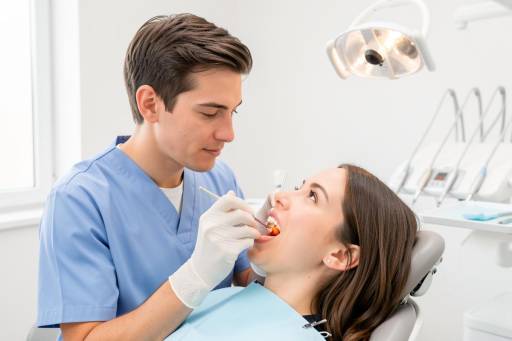
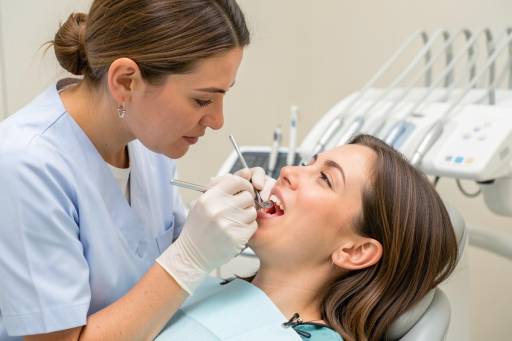
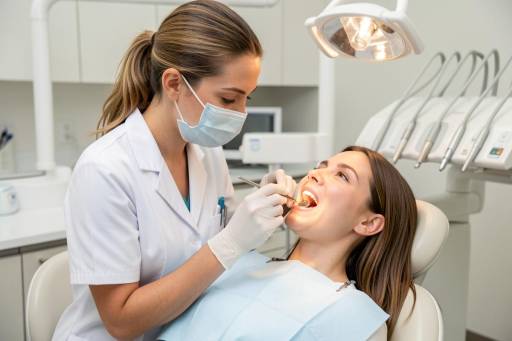
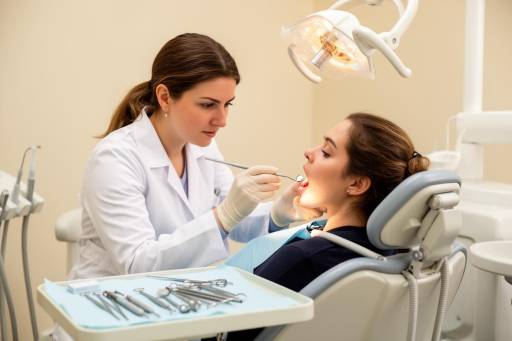
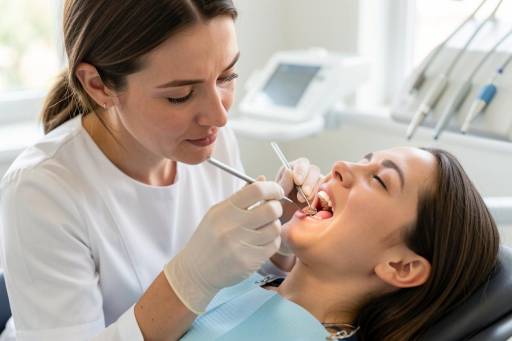
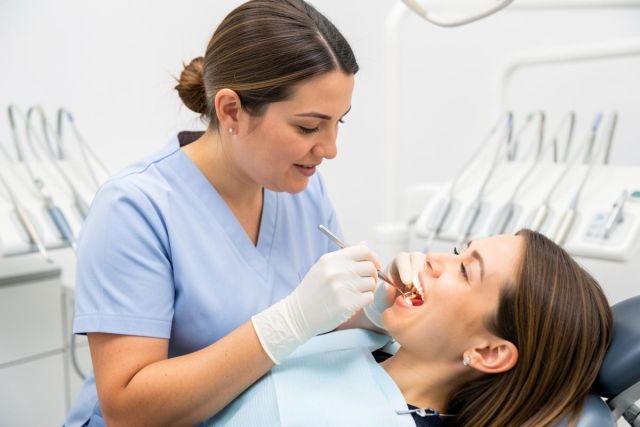
Dental professionals utilize a variety of clinical methods to assess the effectiveness of gum disease treatment and monitor ongoing gum health. Central to this evaluation are periodontal assessments, which involve measuring the depth of the pockets between the gums and teeth using a specialized instrument called a periodontal probe. Deeper pockets generally indicate active disease and inflammation, whereas shallower pockets suggest healing and tissue reattachment.
In addition to pocket depth, clinicians assess bleeding on probing, which is a sensitive indicator of gum inflammation. The presence of bleeding when the gums are gently probed suggests ongoing irritation or infection. Gum recession, or the loss of gum tissue exposing more of the tooth root, is also measured since it reflects past or current disease activity. Tooth mobility is evaluated to determine if the supporting structures have been compromised.
Imaging techniques, such as dental X-rays, provide critical information about the bone levels supporting the teeth. Bone loss is a hallmark of advanced gum disease and can be monitored over time to evaluate treatment success or progression. These radiographic assessments complement the clinical measurements and offer a more complete picture of periodontal health.
Together, these clinical and imaging assessments allow dental professionals to track improvements such as reduced pocket depths, decreased bleeding, and stabilized bone levels. By combining multiple parameters, dentists can make informed decisions about the effectiveness of therapy and whether additional interventions are needed to achieve optimal gum health.
The Role of Follow-Up Care in Monitoring Gum Health
Follow-up care plays a crucial role in maintaining gum health after initial treatment for gum disease. Regular dental visits allow your dentist or dental hygienist to monitor the healing process, assess clinical indicators such as pocket depths and gum inflammation, and reinforce effective oral hygiene techniques tailored to your needs. Professional cleanings during these visits help remove plaque and tartar buildup in areas that are difficult to reach through routine home care, reducing the risk of disease recurrence.
Patient self-care is equally important in sustaining treatment success. Consistently brushing your teeth twice daily with proper technique, flossing daily to remove plaque between teeth, and using any recommended antimicrobial mouth rinses all contribute to controlling bacterial growth and preventing inflammation. Adhering to these habits helps maintain a healthy oral environment and supports the healing of gum tissues.
The frequency of follow-up appointments is typically individualized based on the severity of your gum disease, response to treatment, and risk factors. Most patients benefit from maintenance visits every three to six months. These appointments provide an opportunity to catch early signs of disease recurrence and intervene promptly, thereby protecting your oral health over the long term.
Overall, a partnership between you and your dental care team, involving both professional monitoring and diligent home care, is essential for sustained gum health and prevention of future periodontal problems.
Interpreting Treatment Results: What to Expect and When to Seek Help
After undergoing treatment for gum disease, patients can generally expect to see gradual improvements in both the appearance and comfort of their gums. Healthy gums typically become less red and inflamed, stop bleeding during brushing or flossing, and feel firmer and more resilient around the teeth. One key clinical indicator of successful treatment is a reduction or stabilization in the depth of periodontal pockets, which are measured during follow-up visits using a periodontal probe. These pockets form when the gums detach from the teeth due to disease, and their improvement signals healing.
The timeline for healing and visible improvement varies widely depending on the initial severity of the gum disease, the specific treatments performed, and individual patient factors such as overall health and oral hygiene habits. Some patients may notice positive changes within a few weeks, while others might require several months before significant improvements become apparent. It is important to maintain realistic expectations and understand that healing is a gradual process.
Patients should be vigilant in monitoring their symptoms during recovery. If they experience persistent or worsening issues such as increased gum bleeding, swelling, pain, or loosening of teeth, these signs should prompt an immediate consultation with their dental professional. Such symptoms may indicate that the disease is not fully controlled or that complications have arisen, necessitating further evaluation or additional treatment. Prompt attention to these warning signs is crucial to protect oral health and prevent progression of gum disease.
When to Consider Additional or Alternative Treatments
In certain cases, initial treatment for gum disease may not fully resolve the condition, or the disease may continue to progress despite therapy. This can occur due to factors such as the severity of the disease at presentation, patient-specific risk factors like smoking or systemic health issues, or challenges in maintaining optimal oral hygiene. Your dental team will carefully evaluate treatment response through clinical measurements, including pocket depths and bleeding on probing, as well as imaging studies to assess bone levels.
If these evaluations indicate persistent disease activity or progression, additional treatments may be necessary. These could involve more intensive scaling and root planing procedures to thoroughly clean below the gum line, or surgical interventions designed to reduce pocket depths and remove diseased tissue. In some cases, regenerative therapies may be recommended to stimulate the regrowth of lost bone and gum tissue, helping to restore the structural support around teeth.
Alternative treatment options may also be considered based on your overall health status, specific disease characteristics, and response to prior therapies. For example, adjunctive use of antimicrobial medications or laser therapy might be incorporated to enhance treatment outcomes.
Professional evaluation is essential to tailor ongoing care to your individual needs. Early detection of treatment failure or disease recurrence significantly improves the likelihood of successful management and preservation of long-term gum health. Open communication with your dental provider about any concerns or symptoms is important to ensure timely adjustments to your treatment plan.
Get Support for Bleeding Gums and Gum Disease
Answer a few short questions and HealthNode will help you connect with the right dentist or gum disease specialist.
Symptoms and Severity
This helps us understand whether you may need routine cleaning, deep cleaning, periodontal care, or urgent dental review.
Previous Dental Care and Risk Factors
A few details help the specialist understand whether you may need deep cleaning, gum surgery, implant care, or ongoing periodontal maintenance.
Final Details
Share anything important so the dentist or periodontist can better understand your case.
Contact information
Your information is only used to contact you and is never shared with third parties.
Your request has been received!
Thank you. If you have dental X-rays, periodontal charting, gum pocket measurements, previous deep cleaning records, gum surgery records, implant records, or medication history, please keep them ready. A HealthNode consultant will guide you through the next step.
Frequently Asked Questions
Q: How is gum disease treatment success measured?
A: Success is measured by improvements in clinical signs such as reduced gum pocket depths, less bleeding on probing, and stable bone levels seen on X-rays. Your dentist will use these indicators during follow-up visits to assess healing.
Q: What should I do if my gums still bleed after treatment?
A: Persistent bleeding may indicate incomplete healing or ongoing inflammation. Maintain good oral hygiene and consult your dentist promptly to evaluate whether further treatment is needed.
Q: How often should I have follow-up visits after gum disease treatment?
A: Most patients benefit from follow-ups every three to six months, but your dentist will recommend a schedule based on your individual condition and risk factors to ensure effective maintenance.
Q: Can gum disease return after successful treatment?
A: Yes, gum disease can recur if oral hygiene lapses or other risk factors persist. Regular dental care and good home hygiene are crucial to prevent recurrence and maintain healthy gums.
Q: When is surgical treatment recommended for gum disease?
A: Surgical treatment may be advised if non-surgical methods do not adequately reduce pocket depths or if there is significant bone loss. Your dentist will evaluate your specific case to determine the best approach.
The information provided is for educational purposes only and does not constitute medical advice. Always consult with a healthcare professional for medical guidance specific to your situation.