Table of Contents
Should Dental Cleaning Be Done Before Gum Disease Treatment?
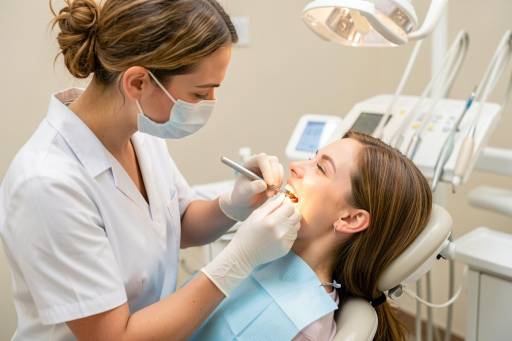
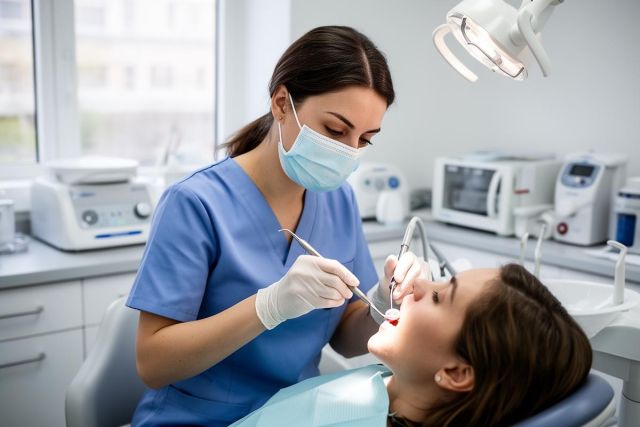
Dental cleaning is generally recommended before beginning gum disease treatment because it plays a crucial role in removing plaque and tartar buildup that contribute directly to infection and inflammation of the gums. This initial cleaning helps reduce gum inflammation and prepares your oral tissues for more targeted periodontal therapy, thereby improving the chances of successful treatment outcomes.
Gum disease, also known as periodontal disease, affects the tissues that support your teeth and can progress from mild inflammation to more severe infection if left untreated. Professional cleaning is essential because it controls the bacterial load in your mouth, which is critical for managing the disease and preventing further damage to your gums and bone.
Understanding the timing and role of dental cleaning within the overall treatment plan can help you take informed steps toward maintaining healthy gums and preserving your oral health. Whether you are just starting to notice symptoms such as bleeding or swelling or have already received a diagnosis of gum disease, consulting with your dentist about appropriate cleaning and treatment scheduling is important. Personalized care plans ensure that your gums receive the best possible support for healing and long-term maintenance, tailored to your unique condition and risk factors.
Get Support for Bleeding Gums and Gum Disease
Answer a few short questions and HealthNode will help you connect with the right dentist or gum disease specialist.
Symptoms and Severity
This helps us understand whether you may need routine cleaning, deep cleaning, periodontal care, or urgent dental review.
Previous Dental Care and Risk Factors
A few details help the specialist understand whether you may need deep cleaning, gum surgery, implant care, or ongoing periodontal maintenance.
Final Details
Share anything important so the dentist or periodontist can better understand your case.
Contact information
Your information is only used to contact you and is never shared with third parties.
Your request has been received!
Thank you. If you have dental X-rays, periodontal charting, gum pocket measurements, previous deep cleaning records, gum surgery records, implant records, or medication history, please keep them ready. A HealthNode consultant will guide you through the next step.
Gum Disease: Causes, Progression, and Effects on Oral Health
Gum disease is an infection of the tissues that hold your teeth in place, primarily caused by the accumulation of plaque, a sticky film of bacteria, on your teeth. When plaque is not removed through regular brushing and flossing, it hardens into tartar, which cannot be eliminated by home care alone. This hardened tartar creates an environment where bacteria can thrive and irritate your gums, leading to inflammation known as gingivitis, which is the earliest and mildest stage of gum disease.
Gingivitis is characterized by redness, swelling, and bleeding of the gums, but it is often painless, so many people may not realize they have it. If gingivitis is left untreated, it can progress to periodontitis, a more serious form of gum disease. In periodontitis, the inflammation causes your gums to pull away from your teeth, forming pockets that become infected.
The body’s immune response to this infection can inadvertently break down the bone and connective tissue that support your teeth, potentially leading to tooth mobility and eventual tooth loss if not managed properly. Early intervention is critical because gum disease often progresses silently without pain or obvious symptoms, making regular dental checkups and good oral hygiene essential for detection and prevention.
Maintaining periodontal health through routine dental visits, professional cleanings, and diligent home care can prevent extensive damage, preserve your natural teeth, and contribute to your overall oral and systemic health.
The Role of Dental Cleaning in Preventing and Managing Gum Disease
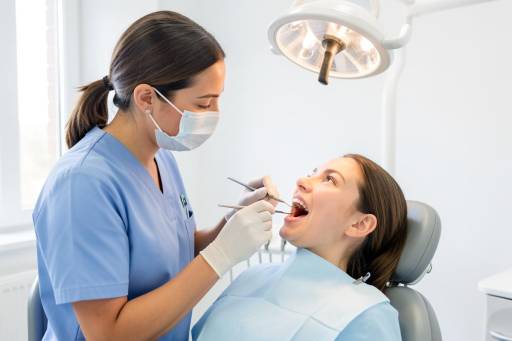
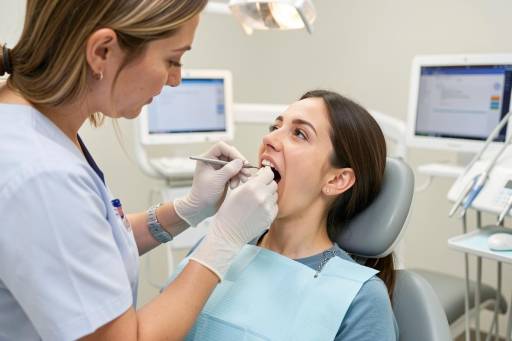
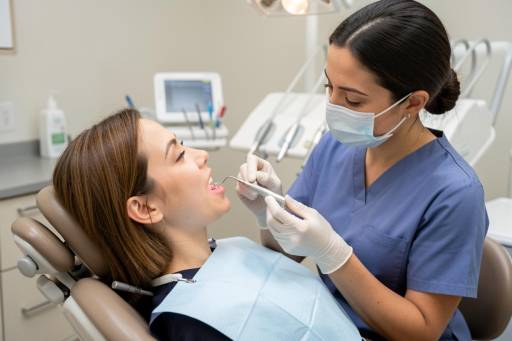
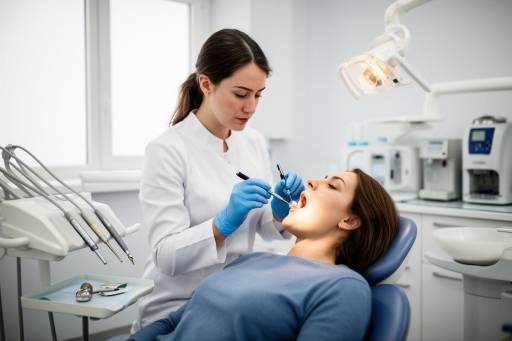
Professional dental cleaning plays a vital role in both preventing gum disease and managing its progression by thoroughly removing plaque and tartar buildup that regular brushing and flossing alone cannot eliminate. These deposits harbor bacteria that are the primary contributors to gum inflammation and infection.
In the early stages of gum disease, known as gingivitis, dental cleaning can effectively reverse the condition by eliminating these irritants, allowing your gums to heal and return to a healthy state. For more advanced stages of gum disease, professional cleaning serves as a preparatory step for deeper periodontal treatments by significantly reducing bacterial levels and inflammation, which improves the effectiveness of subsequent therapies.
Dental cleaning is often the first step before procedures such as scaling and root planing, which specifically target tartar deposits below the gum line where bacteria thrive and cause damage. By controlling plaque accumulation through regular dental cleaning, you support your gums’ natural ability to recover and respond positively to treatment, ultimately helping to preserve your teeth and prevent more serious complications.
Maintaining routine professional cleanings is an important component of long-term oral health, especially for individuals at higher risk of gum disease due to factors like smoking, diabetes, or genetic predisposition.
When to Schedule Dental Cleaning Before Gum Disease Treatment
Timing your dental cleaning appropriately before beginning gum disease treatment is crucial for achieving the best possible outcomes. Typically, a thorough cleaning is performed during your initial dental visit to assess the extent of gum disease and to reduce surface plaque and tartar that contribute to inflammation.
This initial cleaning helps create a healthier environment in your mouth, making it easier for your gums to respond to further treatment. If your condition requires more intensive procedures, such as deep cleaning below the gum line (scaling and root planing), your dentist might schedule these treatments after the initial cleaning has helped to reduce inflammation and swelling.
This staged approach allows your gums to heal somewhat before undergoing more invasive therapy, which can reduce discomfort during treatment and improve healing afterward. It is essential to follow your dental provider’s professional advice regarding treatment planning and scheduling, as they will tailor recommendations based on your specific oral health status and the severity of your gum disease.
Your dentist may also recommend maintenance cleaning appointments after treatment to support ongoing gum health and prevent recurrence. Following this carefully planned schedule helps ensure that your gums receive the appropriate care at each stage of treatment, maximizing the chances of successful recovery and long-term periodontal health.
Personalized Dental Care: Consulting Your Dentist for Optimal Results
Every patient’s experience with gum disease is unique, making it essential to consult your dentist to develop a personalized treatment strategy tailored to your specific needs. During your consultation, your dentist will thoroughly evaluate your oral health, including examining your gums, teeth, and bone structure, and discuss any symptoms you may be experiencing such as bleeding, swelling, or discomfort.
Based on this comprehensive assessment, your dentist will recommend the most appropriate sequence of cleaning and treatment steps designed to address the severity of your gum disease effectively. Professional guidance ensures that your care plan also takes into account any underlying factors that could influence treatment outcomes, such as smoking habits, diabetes, or other systemic health conditions that may affect your immune response and healing.
This personalized approach not only improves the effectiveness of treatment but also helps you maintain periodontal health over the long term by targeting the root causes of your condition. Open communication with your dental care provider is vital; it allows you to ask questions, express any concerns about procedures, recovery timelines, and self-care practices, and receive clear explanations that empower you to take an active role in your oral health management.
This collaborative partnership fosters confidence and commitment, which are key to achieving and sustaining optimal results.
Maintaining Oral Health During Treatment: Tips and Recommendations
Maintaining good oral hygiene during gum disease treatment is essential not only to prevent complications but also to support the healing process effectively. Brushing your teeth twice daily with a soft-bristled toothbrush helps remove plaque gently without irritating sensitive gums. Additionally, flossing carefully once a day is crucial to clean between teeth and along the gum line where plaque tends to accumulate, which can otherwise worsen inflammation if left unchecked.
Your dentist may also recommend specific mouth rinses or antibacterial agents designed to reduce harmful bacteria in your mouth while your gums are healing. These rinses can provide an extra layer of protection against infection and promote a healthier oral environment. Avoiding tobacco products during treatment is particularly important, as smoking can impair blood flow to the gums and delay healing, increasing the risk of treatment failure.
Get Support for Bleeding Gums and Gum Disease
Answer a few short questions and HealthNode will help you connect with the right dentist or gum disease specialist.
Symptoms and Severity
This helps us understand whether you may need routine cleaning, deep cleaning, periodontal care, or urgent dental review.
Previous Dental Care and Risk Factors
A few details help the specialist understand whether you may need deep cleaning, gum surgery, implant care, or ongoing periodontal maintenance.
Final Details
Share anything important so the dentist or periodontist can better understand your case.
Contact information
Your information is only used to contact you and is never shared with third parties.
Your request has been received!
Thank you. If you have dental X-rays, periodontal charting, gum pocket measurements, previous deep cleaning records, gum surgery records, implant records, or medication history, please keep them ready. A HealthNode consultant will guide you through the next step.
Eating a balanced diet rich in vitamins and minerals, especially vitamin C and calcium, supports gum tissue repair and overall oral health. Regular follow-up appointments with your dental care team allow for close monitoring of your progress and enable adjustments to your care plan as needed based on how your gums respond.
Staying consistent with professional cleanings and diligent home care habits will help you maintain healthy gums long after treatment concludes, reducing the likelihood of recurrence and preserving your oral health for the future.
Frequently Asked Questions
Q: Is dental cleaning always necessary before gum disease treatment?
A: Dental cleaning is generally recommended before gum disease treatment to remove plaque and tartar that contribute to infection. However, your dentist will assess your individual condition and may tailor the treatment sequence accordingly.
Q: How long after dental cleaning should gum disease treatment begin?
A: The timing varies depending on your gum health and the treatment needed. Some patients start deeper treatments shortly after cleaning, while others may wait for inflammation to subside. Your dentist will advise the best schedule for your case.
Q: Can dental cleaning alone cure gum disease?
A: Dental cleaning can reverse early-stage gum disease like gingivitis by removing irritants. For more advanced gum disease, cleaning is part of a broader treatment plan but usually not sufficient alone to cure the condition.
Q: What should I do to maintain gum health after treatment?
A: Maintain good oral hygiene by brushing and flossing daily, attend regular dental check-ups, avoid smoking, and follow any specific instructions from your dentist to help keep your gums healthy long term.
The information provided is for educational purposes only and does not constitute medical advice. Always consult with a healthcare professional for medical guidance specific to your situation.