Table of Contents
Why Is Gum Disease Treatment Important?
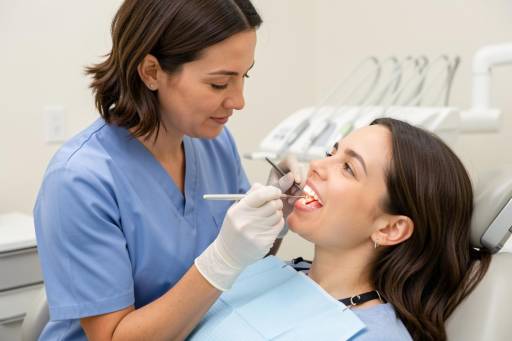
Gum disease treatment is important because it helps prevent the progression of infection and inflammation that can damage your gums and teeth. Early and effective treatment not only preserves your oral health but also reduces risks linked to systemic conditions such as heart disease and diabetes. Addressing gum disease promptly can improve your overall well-being and quality of life by reducing discomfort, preventing tooth loss, and enhancing your confidence in your smile.
Gum disease, also known as periodontal disease, starts as mild gum inflammation called gingivitis and can develop into more severe tissue damage if left untreated. Many people may not realize the gravity of gum disease since early symptoms can be subtle, such as occasional bleeding during brushing or mild gum sensitivity. Understanding the importance of treatment helps you take proactive steps to maintain healthy gums and avoid serious complications that can affect both oral and general health.
Taking care of your gums is more than just a cosmetic issue. It plays a vital role in your general health because the mouth serves as a gateway for bacteria and inflammation that can affect other organs. Poor gum health has been linked to increased risks of cardiovascular disease, diabetes complications, and other systemic conditions. This article will guide you through why gum disease treatment matters, how to recognize symptoms, potential risks, treatment options, prevention, and choosing the right dental care professional to support your journey toward optimal oral health.
Get Support for Bleeding Gums and Gum Disease
Answer a few short questions and HealthNode will help you connect with the right dentist or gum disease specialist.
Symptoms and Severity
This helps us understand whether you may need routine cleaning, deep cleaning, periodontal care, or urgent dental review.
Previous Dental Care and Risk Factors
A few details help the specialist understand whether you may need deep cleaning, gum surgery, implant care, or ongoing periodontal maintenance.
Final Details
Share anything important so the dentist or periodontist can better understand your case.
Contact information
Your information is only used to contact you and is never shared with third parties.
Your request has been received!
Thank you. If you have dental X-rays, periodontal charting, gum pocket measurements, previous deep cleaning records, gum surgery records, implant records, or medication history, please keep them ready. A HealthNode consultant will guide you through the next step.
Gum Disease Explained: Causes, Stages, and Health Impacts
Gum disease is an infection of the tissues that surround and support your teeth, primarily caused by the accumulation of plaque, a sticky film of bacteria that forms on your teeth daily. If plaque is not effectively removed through regular brushing and flossing, it can harden into tartar (calculus), which further irritates the gums and provides a surface for more plaque to accumulate.
The earliest stage of gum disease is gingivitis, characterized by red, swollen gums that may bleed during brushing or flossing. Gingivitis is usually reversible with good oral hygiene and professional care. However, if left untreated, gingivitis can progress to periodontitis, a more severe form of gum disease that damages the bone and connective tissue supporting the teeth. This damage can lead to tooth mobility and eventual tooth loss if not managed effectively.
Beyond oral health, gum disease is linked to systemic inflammation. Research suggests that bacteria from infected gums can enter the bloodstream and contribute to health issues such as cardiovascular disease, diabetes, and other inflammatory conditions. This connection highlights why maintaining gum health is essential for your overall wellness.
Understanding the causes, stages, and potential consequences of gum disease empowers you to take proactive steps in prevention and treatment, preserving both your oral and general health.
Signs and Symptoms of Gum Disease: When to Seek Help
Recognizing the early signs of gum disease is crucial for seeking timely treatment and preventing serious damage to your oral health. Common symptoms include persistent bad breath that does not improve with brushing, gums that bleed easily during brushing or flossing, and gums that appear red, swollen, or tender to the touch.
You might also notice that your gums are receding, causing your teeth to look longer than usual. This recession can expose sensitive tooth roots, leading to increased sensitivity to hot, cold, or sweet stimuli. In more advanced cases, deep pockets may form between your teeth and gums, trapping food particles and bacteria, which can be difficult to clean and may worsen infection.
Loose or shifting teeth can be a sign of severe gum disease, indicating that the supporting bone and tissues have been damaged. Other symptoms may include changes in the way your teeth fit together when you bite or discomfort when chewing.
If you experience any of these symptoms, it is important to consult a dental professional promptly. Early intervention can reverse gingivitis, the mildest form of gum disease, and prevent progression to periodontitis, which causes irreversible damage. Timely treatment helps preserve your teeth and maintain healthy gums, improving your overall oral health and comfort.
The Risks of Ignoring Gum Disease
Ignoring gum disease can lead to serious oral and systemic health complications that affect both your mouth and overall well-being. Untreated periodontitis can cause irreversible damage to the bone and connective tissues that support your teeth, leading to tooth loosening and eventual tooth loss. This can impair your ability to chew food properly, affecting nutrition and digestion, and may also impact speech clarity.
The oral-systemic connection means that gum disease may contribute to or worsen other health problems beyond the mouth. Scientific studies have found associations between periodontal disease and increased risks of heart disease, stroke, diabetes, and respiratory conditions. The chronic inflammation and bacteria from infected gums can enter the bloodstream, potentially triggering or exacerbating systemic inflammation and health issues.
Gum disease can also cause persistent bad breath and discomfort, which may affect social interactions and quality of life. Addressing gum disease early through professional treatment and good oral hygiene reduces these risks significantly. Proper treatment controls infection, halts tissue destruction, and improves oral health, which in turn supports your overall health and reduces the likelihood of serious complications.
How Gum Disease Treatment Can Improve Your Overall Well-being
Treating gum disease involves professional cleaning procedures that remove plaque and tartar from below the gumline, where regular brushing and flossing cannot reach. Scaling and root planing are common non-surgical treatments that involve thoroughly cleaning the tooth surfaces and smoothing the roots to help the gums reattach to the teeth and reduce infection.
In some cases, antibiotics may be prescribed to target bacterial infection, either as topical gels applied directly to the gum pockets or oral medications. For severe periodontitis, surgical interventions such as flap surgery, bone grafts, or tissue regeneration may be necessary to restore damaged structures and improve gum attachment.
These treatments aim to restore gum health, prevent tooth loss, and reduce inflammation that can cause discomfort and bleeding. Successful gum disease management not only protects your teeth but also enhances your quality of life by reducing symptoms such as gum sensitivity, persistent bad breath, and pain.
Controlling gum disease can also lower the risk of related systemic health issues, as chronic inflammation and bacterial infection in the gums have been linked to cardiovascular disease, diabetes complications, and other health concerns. Patients often experience an overall improvement in well-being after effective treatment, highlighting the importance of addressing gum disease promptly and thoroughly.
Preventive Measures and Maintaining Healthy Gums
Prevention is key to avoiding gum disease or its recurrence, and adopting a consistent oral hygiene routine is fundamental. Maintaining good oral hygiene by brushing twice daily with fluoride toothpaste and flossing daily helps remove plaque, a sticky film of bacteria, before it hardens into tartar, which is more difficult to remove and can irritate the gums. Using an antimicrobial mouthwash can also reduce bacteria and support gum health. It is important to use proper brushing techniques and floss gently to avoid damaging the gums.
Regular dental check-ups and professional cleanings are essential components of prevention. These visits allow dentists or dental hygienists to detect early signs of gum disease that may not be obvious to you and provide timely treatment before the condition worsens. Professional cleanings remove tartar buildup that home care cannot address, reducing the risk of inflammation.
Healthy lifestyle choices also play a significant role in maintaining gum health. Quitting smoking is one of the most impactful steps since smoking weakens your immune system and makes it harder for gums to heal. Managing chronic conditions like diabetes effectively is crucial because high blood sugar levels can increase susceptibility to infections, including gum disease. Eating a balanced diet rich in vitamins and minerals supports tissue repair and immune function. Staying vigilant about your gum condition by monitoring for any changes such as bleeding or swelling and following your dental professional’s advice can help keep your gums healthy and reduce the chance of disease progression over time.
Choosing the Right Dental Care Provider for Gum Disease Treatment
Selecting a qualified dental care provider is important for effective gum disease management and long-term oral health. When choosing a dentist or periodontist, consider their experience in diagnosing and treating periodontal conditions, as well as their familiarity with modern diagnostic tools and treatment techniques, such as digital imaging, laser therapy, and minimally invasive procedures.
It is also beneficial to find providers who communicate clearly and take the time to explain your condition, treatment options, and expected outcomes. A supportive and approachable dental team can help you feel comfortable during visits, encourage adherence to treatment plans, and motivate you to maintain good oral hygiene at home.
Checking credentials, such as board certifications or specialized training in periodontics, and reading patient reviews can provide insight into the provider’s expertise and patient satisfaction. Additionally, consider the convenience of location, office hours, and insurance acceptance.
Get Support for Bleeding Gums and Gum Disease
Answer a few short questions and HealthNode will help you connect with the right dentist or gum disease specialist.
Symptoms and Severity
This helps us understand whether you may need routine cleaning, deep cleaning, periodontal care, or urgent dental review.
Previous Dental Care and Risk Factors
A few details help the specialist understand whether you may need deep cleaning, gum surgery, implant care, or ongoing periodontal maintenance.
Final Details
Share anything important so the dentist or periodontist can better understand your case.
Contact information
Your information is only used to contact you and is never shared with third parties.
Your request has been received!
Thank you. If you have dental X-rays, periodontal charting, gum pocket measurements, previous deep cleaning records, gum surgery records, implant records, or medication history, please keep them ready. A HealthNode consultant will guide you through the next step.
Regular visits to a trusted dental professional ensure your gums receive ongoing care and monitoring, which is essential to detect any changes early and adjust treatment as needed. Building a relationship with a reliable provider fosters a collaborative approach to maintaining your oral health and preventing future gum disease.
Frequently Asked Questions
Q: What causes gum disease?
A: Gum disease is primarily caused by plaque buildup on teeth, leading to gum inflammation and infection. Poor oral hygiene, smoking, and certain health conditions can increase your risk.
Q: Can gum disease be reversed?
A: Early gum disease like gingivitis can often be reversed with good oral hygiene and professional cleanings. More advanced periodontitis usually requires dental treatment to control.
Q: How is gum disease treated?
A: Treatment includes professional cleaning procedures such as scaling and root planing, antibiotics if needed, and sometimes surgery. Your dentist will tailor treatment to your condition's severity.
Q: Is gum disease linked to other health problems?
A: Yes, untreated gum disease has been associated with heart disease, diabetes, and respiratory issues due to inflammation and bacteria entering the bloodstream.
Q: How often should I visit the dentist for gum health?
A: Visiting your dentist every six months for check-ups and cleanings is generally recommended. More frequent visits may be advised if you have a history of gum problems.
The information provided is for educational purposes only and does not constitute medical advice. Always consult with a healthcare professional for medical guidance specific to your situation.