Quick Answer
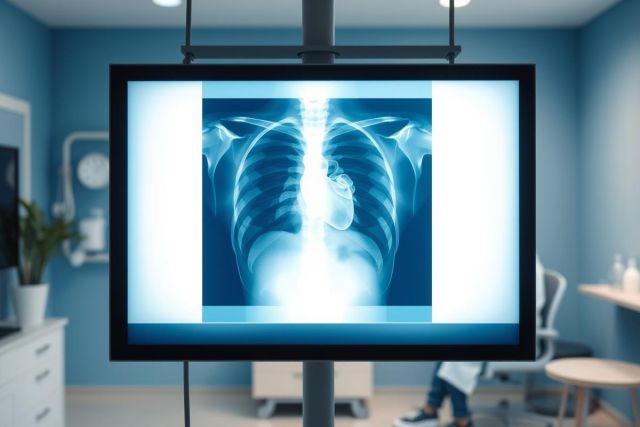
A chest X-ray does not directly show coronary artery disease (CAD) as it primarily assesses heart structure rather than artery blockages. Other tests like stress tests, CT angiograms, or angiograms are necessary for accurate CAD diagnosis.
- Chest X-rays can reveal heart size and shape but cannot directly detect coronary artery disease.
- Chest X-rays focus on heart structure and cannot visualize blocked arteries or plaque buildup.
- Symptoms such as chest pain and shortness of breath may prompt further testing beyond chest X-rays.
- Alternative diagnostic tests like stress tests, CT angiograms, and echocardiograms provide more detailed information about heart function and blood flow.
- Chest X-rays can help rule out other conditions with similar symptoms, such as pneumonia or heart failure.
- Patients should discuss the limitations of chest X-rays and possible additional tests with their healthcare providers.
- Open communication with doctors about symptoms and testing options is important for effective heart disease management.
Does chest X-ray show Coronary Artery Disease?
Chest X-rays are a commonly used diagnostic tool in assessing heart health. Many patients wonder if a chest X-ray shows coronary artery disease (CAD). This question is crucial because early detection of CAD can lead to better treatment outcomes. Understanding the role of chest X-rays in heart disease assessments helps patients advocate for their health.
While a chest X-ray can reveal certain heart conditions, it does not directly diagnose CAD. Other tests, such as stress tests and CT scans, are often necessary for accurate diagnosis. Recognizing when to pursue these additional tests is vital for effective management of heart health.
Common symptoms of coronary artery disease may prompt an X-ray. Patients experiencing chest discomfort should seek prompt evaluation to rule out serious issues. Knowing when to act can make a substantial difference in outcomes. Proactive discussions with healthcare providers will help ensure appropriate testing and interventions are taken.
Get expert support for your treatment
Let our coordination team prepare a personalized plan for you.
Contact information
Your information is only used to contact you and is never shared with third parties.
Your request has been received!
Your request has been received! Our coordination team will contact you as soon as possible.
5 Crucial Facts: Chest X-ray Results for Coronary Artery Disease
Chest X-ray results for coronary artery disease offer valuable insights. A chest X-ray is a standard imaging test used in many evaluations. While it can reveal heart size and shape, it does not directly show coronary artery disease. Patients may often question, “Does chest X-ray detect CAD?” The answer is more complex than many realize.
Chest X-rays primarily assess the heart's structure rather than blood flow. They can identify conditions like cardiomegaly or fluid buildup in the lungs. However, they do not visualize blocked arteries, which are crucial for diagnosing CAD. Other tests, such as stress tests or angiograms, are often necessary for a complete evaluation. Relying solely on chest X-ray results may lead to missed diagnoses.
Chest X-rays are beneficial in ruling out other potential issues. Conditions like pneumonia or heart failure may present similar symptoms. An accurate diagnosis requires a comprehensive assessment, including a patient’s medical history and physical exam. These elements combined with chest X-ray results for coronary artery disease can provide clearer guidance.
Patients should discuss the limitations of chest X-rays with their doctors. Asking about further testing options will enhance understanding of heart health. Being proactive can lead to timely interventions and better management of coronary artery disease. Remember, while a chest X-ray is useful, it is just one piece of the puzzle in assessing cardiovascular health.
Why Chest X-rays Fall Short: Limits in Detecting CAD
Why chest X-rays fall short in detecting CAD is crucial to know. Chest X-rays provide limited information about coronary artery disease. These imaging tests can show heart size but not artery blockages. Patients might rely on chest X-ray accuracy, but the results can be misleading.
The limitations of chest X-ray methods stem from their design. They focus primarily on the heart's structure rather than blood flow. As a result, a chest X-ray cannot reveal the presence of plaque in arteries. This limitation can lead to false reassurance if no abnormalities are visible. Relying solely on X-ray for heart disease evaluation may overlook critical conditions.
While a chest X-ray can rule out certain heart issues, it cannot diagnose CAD. Patients with symptoms should be aware that additional testing is often necessary. Tests like stress tests or angiograms provide more detailed insights. These diagnostics are essential for a complete CAD diagnosis with X-ray as part of the overall evaluation.
Discussing the limitations of chest X-rays with healthcare providers is vital. Being informed about testing options significantly impacts heart health management. Remember, while chest X-rays are useful, they are just one tool in the diagnostic process.
Top 7 Warning Signs: Symptoms of Coronary Artery Disease
Top 7 warning signs are critical indicators of coronary artery disease. Recognizing these symptoms can lead to timely intervention and treatment. Awareness of heart disease symptoms is essential for everyone, especially those at risk. Early detection can significantly improve outcomes and quality of life.
Chest pain is often the most recognized symptom of coronary artery disease. This discomfort may present as tightness, pressure, or aching in the chest. It can also radiate to the arms, back, neck, or jaw. Experiencing chest pain during physical activity may indicate an underlying issue. Identifying this warning sign is crucial for seeking medical advice.
Shortness of breath is another common symptom that warrants attention. This sensation might occur during exercise or even at rest. Patients may feel increasingly fatigued, which can signal a problem. Other warning signs CAD can include dizziness, nausea, or sweating. These symptoms may accompany chest pain or occur independently.
Being alert to these symptoms of coronary artery disease is vital. If any warning signs arise, seeking medical evaluation is essential. Discussing symptoms with a healthcare provider can lead to appropriate testing and treatment. Remember, prompt action can make a significant difference in managing heart health effectively.
How to Get the Right Diagnosis: Alternatives to Chest X-ray for CAD
How to get the right diagnosis involves exploring alternatives to chest X-ray for CAD. While chest X-rays provide useful information, they do not always offer a complete picture. Patients experiencing symptoms should consider additional testing options for accurate CAD diagnosis. Exploring these alternatives can lead to better heart health outcomes.
A CT angiogram for heart disease is one effective alternative. This advanced imaging technique provides detailed pictures of blood vessels. It can identify blockages and assess the severity of coronary artery disease. Unlike chest X-rays, CT angiograms focus specifically on blood flow and can reveal issues that may go undetected.
Stress tests are another valuable option for diagnosis. These tests monitor heart performance during physical activity. By observing how the heart responds to exertion, healthcare providers can detect abnormalities. Non-invasive heart tests like echocardiograms also visualize heart function and blood flow. These tests complement chest X-ray results and provide a clearer understanding of heart health.
Patients should discuss these alternatives to chest X-ray with their healthcare providers. Being proactive about diagnostic options can lead to timely interventions. Take the initiative to ask about tests like CT angiograms and stress tests. Remember, the right diagnosis is essential for effective management of coronary artery disease.
Get expert support for your treatment
Let our coordination team prepare a personalized plan for you.
Contact information
Your information is only used to contact you and is never shared with third parties.
Your request has been received!
Your request has been received! Our coordination team will contact you as soon as possible.
Vital Steps: Talking to Your Doctor About Heart Disease Testing
Vital steps involve talking to your doctor about heart disease testing. Open communication is essential for effective diagnosis and treatment. Patients should feel empowered to discuss any concerns regarding potential heart issues. This proactive approach can lead to better outcomes in managing heart health.
Questions about CAD tests should be prepared ahead of your appointment. Knowing what to ask ensures you cover all relevant topics. Inquire about the necessity of specific tests based on your symptoms. Discussing family history and lifestyle factors can also help tailor testing options to your needs. Be clear about any symptoms like chest pain or shortness of breath.
Heart disease testing options can vary significantly based on individual circumstances. Your doctor may recommend non-invasive tests like echocardiograms or stress tests. These tests provide valuable insights into heart function and blood flow. Understanding the purpose of each test can help you feel more comfortable and informed.
Bringing a list of symptoms and questions can help guide the conversation. Take the opportunity to discuss the best heart disease testing options available. Remember, being proactive about your heart health is crucial for effective management.
Frequently Asked Questions
Q: What is a chest X-ray for heart disease?
A: A chest X-ray is an imaging test used to view the heart. This test helps assess heart size and shape. It can also reveal fluid in the lungs. However, it does not detect coronary artery disease directly.
Q: How does a chest X-ray detect CAD?
A: A chest X-ray does not directly detect CAD. It can identify signs of heart issues or lung problems. Indicators may include an enlarged heart or fluid buildup. Further tests are often needed for a CAD diagnosis.
Q: When should I get a chest X-ray for CAD symptoms?
A: You should get a chest X-ray if experiencing symptoms of coronary artery disease. Common symptoms include chest pain and shortness of breath. Discuss your symptoms with a healthcare provider promptly. Early detection can help manage heart health effectively.
Q: Can chest X-ray results indicate coronary artery disease?
A: Chest X-ray results can suggest certain heart conditions. However, they cannot confirm coronary artery disease. Further testing is usually required for an accurate CAD diagnosis. Additional tests may include stress tests or angiograms.
Q: How to interpret chest X-ray results for heart health?
A: Interpreting chest X-ray results requires a healthcare professional's expertise. They will assess heart size, shape, and surrounding structures. Abnormal findings may indicate potential heart issues. Follow-up tests may be necessary based on the results.
The information provided is for educational purposes only and does not constitute medical advice. Always consult with a healthcare professional for medical guidance specific to your situation.