Do Continuous Passive Motion Machines Help After Knee Replacement?
Continuous passive motion machines are not routinely needed after knee replacement. See what evidence says and how CPM fits with active rehabilitation.
Comprehensive knee replacement recovery guide covering timeline, physical therapy, exercises, milestones, and tips for successful rehabilitation after surgery.

Continuous passive motion machines are not routinely needed after knee replacement. See what evidence says and how CPM fits with active rehabilitation.
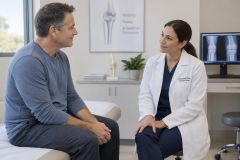
Dizzy when standing after knee replacement? Learn how to prevent a fall, move safely, and recognize symptoms that need prompt medical care.

Constipation from pain medicines after knee replacement? See recovery-friendly steps, safe bowel medicine guidance, and symptoms that need prompt care.
Get a free consultation and talk through symptoms, treatment options, and possible care paths with our coordination team.
Get Free Consultation
Returning to sports after knee replacement depends on function and sport demands. Compare activity levels and prepare practical questions for your care team.
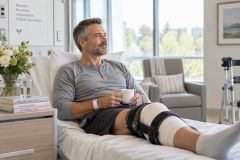
Nausea after knee replacement can disrupt fluids and rehabilitation. See likely causes, clinician-guided relief, practical steps, and warning signs that need care.

Knee replacement clicking when walking is often painless, but new pain, swelling, or instability needs attention. Learn what to track and when to seek care.
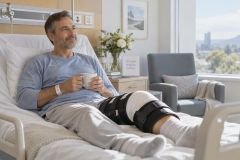
Thigh muscle weakness after knee replacement can linger as strength rebuilds. Learn common causes, safe rehabilitation principles, and when to seek advice.
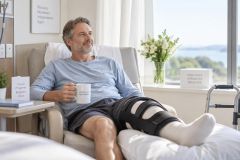
Tele-rehabilitation after knee replacement can support guided exercise and follow-up. Compare remote, in-person, and hybrid care to plan safer recovery.
Opioid pain medicine should be tapered gradually after knee replacement to manage pain safely and reduce dependence risks with medical guidance.

Sexual activity after knee replacement can often be resumed safely around 4 to 6 weeks post-surgery with proper care and guidance.