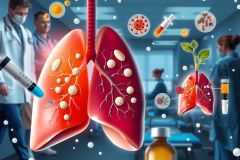
Pneumonia is a lung infection that can range from mild to severe, affecting your ability to breathe properly. This category provides valuable information on the causes, symptoms, treatments, and prevention strategies for pneumonia. Stay informed about how to manage pneumonia effectively, understand the recovery process, and learn tips for reducing the risk of infection, especially for those at higher risk.
Discover global pneumonia prevalence and statistics impacting millions yearly. Learn how to protect vulnerable populations and improve health outcomes today.

Understand pneumonia risk factors to protect vulnerable groups like infants and the elderly. Learn effective prevention strategies and safeguard your loved ones.

Discover the diverse causes of pneumonia, including non-infectious factors. Learn to identify symptoms early and take proactive steps for better health outcomes.
Discover how long pneumonia lasts and learn key factors impacting recovery. Gain insights on symptoms, treatment, and home care tips to enhance healing.
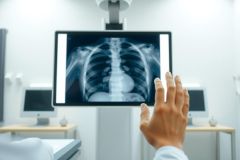
Discover the critical signs and treatment options for double pneumonia. Learn how early detection can improve recovery and protect your lung health.
COVID-19 pneumonia can severely impact lung health. Discover key symptoms, risk factors, and effective treatments to protect your health and seek timely care.
Discover how to identify and manage pneumonia in children. Learn key symptoms, types, and effective home care strategies to ensure your child's health.
Aspiration pneumonia is a serious lung infection caused by inhaling foreign materials. Discover symptoms, causes, and prevention tips to protect yourself and loved ones.
Connect with our coordination team to understand your options and choose a suitable next step for your condition.
Get Free Consultation
Discover how pneumonia can lead to back pain and learn effective treatment strategies. Understand key symptoms and take proactive steps for recovery.
Discover how to identify worsening pneumonia symptoms and take timely action. Learn to monitor your health effectively for improved recovery outcomes.
Discover essential pneumonia tests like chest X-rays and blood work that aid in accurate diagnosis. Empower yourself with knowledge for effective treatment options.
Pneumonia and bronchitis share similar symptoms, complicating diagnosis. Discover key differences, treatment options, and empower your health decisions today.
Discover natural remedies for pneumonia relief. Learn how herbs like ginger and garlic can boost recovery and when to seek medical help. Stay informed!
Discover how doctors monitor pneumonia progression for better recovery. Learn key symptoms to track, vital signs to observe, and when to seek help.
Discover common medications for pneumonia, including antibiotics and antivirals, to enhance your recovery. Stay informed about side effects and treatment options.
Pneumonia can escalate quickly. Discover crucial warning signs that indicate a need for hospitalization and learn how timely intervention can save lives.
Connect with our coordination team to understand your options and choose a suitable next step for your condition.
Get Free Consultation
Discover who should get the pneumonia vaccine to protect against serious infections. Learn about eligibility for seniors, children, and those with chronic illnesses.
Pneumonia vaccines are essential for healthy adults to prevent severe illness. Understand the risks of skipping vaccination and consult your doctor today.
Pneumonia vaccines are essential for protecting kids from serious infections. Discover vaccination schedules, benefits, and how to prepare your child today.
Discover how often you need a pneumonia vaccine to protect against serious infections. Learn age-based schedules and factors influencing your vaccination plan.
Discover how pneumonia affects asthma patients, increasing risks and symptoms. Learn essential prevention and treatment strategies to protect your lung health.
Pneumonia recurrence can happen post-recovery. Discover key risk factors, warning signs, and lifestyle changes to boost lung health and prevent relapse.
Fatigue after pneumonia is common and can persist for weeks. Discover effective tips to manage symptoms and boost energy for a smoother recovery.
Discover how pneumonia can lead to sepsis, its warning signs, and crucial prevention strategies. Stay informed to protect your health and act fast.
Pneumonia is a serious infection that inflames the air sacs (alveoli) in one or both lungs. The air sacs may fill with fluid or pus, making it difficult for oxygen to pass into the bloodstream. This leads to symptoms such as coughing, fever, chills, chest pain, and difficulty breathing. Pneumonia can range in severity from mild cases that can be managed at home to severe infections that require hospitalization and can be life-threatening, especially in vulnerable populations such as infants, older adults, and those with weakened immune systems. It remains one of the leading causes of illness and death worldwide, but with proper medical care, most cases can be successfully treated.
The causes of pneumonia are diverse. It can be triggered by bacteria, viruses, fungi, or, in rare cases, parasites. Bacterial pneumonia, most often caused by Streptococcus pneumoniae, is the most common and can develop suddenly with high fever, chills, and productive cough. Viral pneumonia, often caused by influenza, respiratory syncytial virus (RSV), or coronaviruses, tends to develop more gradually and is especially common in children. Fungal pneumonia is less common but can affect people with weakened immune systems, such as those with HIV/AIDS or cancer. Pneumonia can also develop after inhaling food, liquids, or vomit into the lungs, a condition known as aspiration pneumonia.
The risk factors for pneumonia include age (infants and people over 65 are at highest risk), smoking, chronic lung diseases such as COPD or asthma, weakened immune systems due to conditions like HIV or chemotherapy, and underlying medical problems such as heart disease or diabetes. Living in crowded environments, such as nursing homes or long-term care facilities, also increases the risk of infection. Seasonal factors play a role as well, with pneumonia being more common during the winter months when respiratory infections spread more easily.
The symptoms of pneumonia can vary depending on the cause and severity of the infection. Common signs include persistent cough, which may produce green, yellow, or bloody mucus; high fever accompanied by chills and sweating; sharp or stabbing chest pain that worsens with breathing or coughing; and shortness of breath or rapid breathing. Additional symptoms may include fatigue, loss of appetite, nausea, vomiting, or confusion, particularly in older adults. In severe cases, pneumonia can lead to low oxygen levels in the blood (hypoxemia) and respiratory failure, requiring urgent medical intervention.
The diagnosis of pneumonia is made using a combination of physical examination and diagnostic tests. A doctor will often listen to the lungs with a stethoscope to detect abnormal sounds such as crackles or wheezing. A chest X-ray is the most common tool for confirming pneumonia and assessing its extent. Blood tests may help identify the type of infection and evaluate the body’s immune response. Sputum cultures, CT scans, and pulse oximetry (measuring oxygen levels in the blood) may also be used for more accurate diagnosis. Identifying the underlying cause—bacterial, viral, or fungal—is important for selecting the most appropriate treatment.
Treatment for pneumonia depends on the cause, severity, and patient’s overall health. Bacterial pneumonia is typically treated with antibiotics, and improvement is often seen within days. Viral pneumonia does not respond to antibiotics but may be treated with antiviral medications in certain cases, such as influenza-related pneumonia. Fungal pneumonia requires antifungal drugs. Supportive treatments—including rest, fluids, oxygen therapy, and medications to reduce fever and pain—are crucial in all cases. Severe pneumonia may require hospitalization, intravenous antibiotics, or mechanical ventilation in intensive care settings. Early treatment significantly reduces complications and improves recovery.
The complications of pneumonia can be serious, especially in high-risk patients. These include pleural effusion (fluid buildup around the lungs), lung abscess (a pocket of pus in the lung), bacteremia (bacteria spreading into the bloodstream), and acute respiratory distress syndrome (ARDS), which can be life-threatening. Because pneumonia can weaken the lungs, patients may also face longer recovery times and be more vulnerable to future respiratory infections. Preventing these complications requires timely diagnosis, appropriate treatment, and careful medical follow-up.
Prevention of pneumonia is possible through a combination of vaccines, healthy lifestyle habits, and infection control. Vaccines such as the pneumococcal vaccine and influenza vaccine significantly reduce the risk of developing pneumonia. Good hygiene practices—such as frequent handwashing, avoiding close contact with sick individuals, and covering coughs and sneezes—help prevent the spread of infections. Maintaining a strong immune system through proper nutrition, exercise, adequate sleep, and smoking cessation also lowers the risk. For vulnerable populations, especially the elderly and immunocompromised, vaccination and preventive healthcare are essential.
The future of pneumonia management is evolving with advances in diagnostics, treatments, and preventive measures. Rapid molecular testing is improving the speed and accuracy of identifying infectious agents, allowing for more targeted therapies. New vaccines are being developed to protect against a broader range of pathogens. In addition, global health initiatives are working to reduce pneumonia-related deaths in children and improve access to vaccines and antibiotics in developing countries. With greater awareness and innovation, pneumonia-related complications and mortality can be significantly reduced worldwide.
Pneumonia is a serious but treatable condition. With early recognition, proper treatment, and preventive strategies, patients can recover fully and protect themselves from future infections. Continued progress in medical research and public health will further improve outcomes for individuals and communities affected by this common respiratory illness.