Quick Answer
Vegetables support obesity weight management by providing fiber-rich, low-calorie foods that promote satiety, reduce cravings, and aid in sustainable weight loss. Incorporating a variety of nutrient-dense vegetables can improve metabolic health and gut function, enhancing overall weight control.
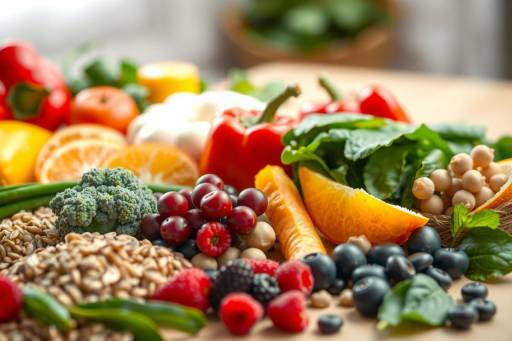
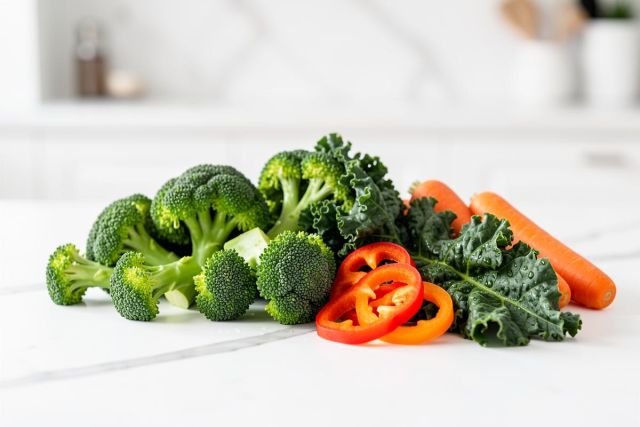
- Fiber-rich vegetables like broccoli, spinach, and carrots promote fullness and help reduce calorie intake.
- Low-calorie vegetables such as zucchini and bell peppers allow for larger portions without excess calories.
- Leafy greens and cruciferous vegetables are particularly effective for weight loss due to their nutrient density and metabolism-supporting compounds.
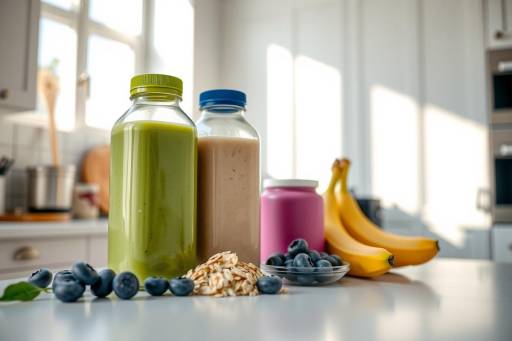
- Adding vegetables to meals and snacks through methods like salads, roasting, and smoothies can increase intake and improve eating habits.
- Avoid high-calorie toppings and unhealthy cooking methods to maintain the nutritional benefits of vegetables for weight management.
- Vegetables support gut health by promoting a healthy microbiome, which is linked to better metabolism and reduced inflammation.
- Filling half your plate with a variety of colorful vegetables encourages healthier eating patterns and supports long-term weight management.
How Can Vegetables Support Obesity Weight Management?
How can vegetables support obesity weight management? This question is increasingly relevant as obesity rates rise globally. Vegetables for weight management offer a natural solution for those seeking healthier lifestyles. Incorporating more vegetables can lead to sustainable weight loss and improved overall health. These nutrient-dense foods are crucial for combating obesity and its associated health risks.
Adopting a vegetable-based diet for obesity management proves effective for many individuals. A variety of fiber-rich vegetables aids in weight loss by promoting satiety and reducing cravings. These low-calorie options allow for larger portions without the added calorie burden. The benefits of vegetables for obesity extend beyond weight control, positively impacting metabolic health and gut function.
Integrating vegetables into daily meals is vital for those on a weight loss journey. Strategies like meal prepping and creative cooking techniques can enhance vegetable consumption. Focusing on vegetables can transform eating habits and support lasting change. Exploring these strategies further can illuminate the path to a healthier lifestyle.
Find the Right Weight Loss Treatment for You
Answer a few quick questions and receive a personalized obesity treatment assessment from Healthnode.
Your Health Background
These details help us understand which treatment options may be suitable for you.
Your Treatment Goals
Tell us what kind of support you are looking for.
Contact information
Your information is only used to contact you and is never shared with third parties.
Your request has been received!
Thank you. For a more accurate assessment, a HealthNode consultant may ask about your BMI, medical history, and previous weight loss attempts before matching you with a suitable specialist.
Powerful Ways Vegetables Help Burn Fat and Curb Hunger
Vegetables for weight management play a vital role in promoting healthy eating habits. Their unique properties help burn fat and curb hunger effectively. By incorporating these foods into daily meals, individuals can achieve better weight control. Focusing on how vegetables aid weight loss is essential for long-term success.
Fiber-rich vegetables are particularly beneficial in managing hunger. Foods like broccoli, spinach, and carrots are packed with fiber, which promotes fullness. This feeling of satiety can lead to reduced calorie intake throughout the day. Eating low-calorie vegetables allows individuals to enjoy larger portions without guilt.
Another significant benefit of vegetables is their low calorie density. Foods such as zucchini and bell peppers provide essential nutrients without excessive calories. Including these low-calorie vegetables in meals can help maintain a healthy energy balance. This balance is crucial for successful weight management and overall well-being.
Practical strategies can enhance vegetable intake in everyday meals. Preparing salads, roasting vegetables, or adding them to soups can make them more appealing. Emphasizing fiber-rich vegetables will support weight loss goals effectively. Exploring new recipes and cooking methods may inspire healthier eating habits.
Which Vegetables Are Best for Weight Loss? Top Choices Backed by Science
Identifying which vegetables are best for weight loss is crucial for effective dieting. Certain vegetables are particularly effective due to their nutrient density and low-calorie content. Including these choices can significantly assist in managing obesity and vegetable intake. A variety of these options can enhance meal satisfaction and promote healthier eating patterns.
Leafy greens such as spinach and kale rank high among nutrient-dense vegetables. These greens are low in calories and rich in fiber. They provide essential vitamins and minerals while helping to curb hunger. Integrating leafy greens into daily meals is a smart strategy for those looking to lose weight.
Cruciferous vegetables, including broccoli and cauliflower, are also excellent choices. These vegetables contain compounds that support metabolism and aid digestion. The fiber content in cruciferous vegetables further promotes satiety and reduces overall calorie intake. Choosing these vegetables to lose weight can lead to sustainable results.
Incorporating a variety of vegetables into meals can provide additional benefits. Experimenting with different cooking methods can make vegetables more appealing. Aim to fill half your plate with these best vegetables for weight loss. This approach will help ensure a nutrient-rich diet that supports long-term health and weight management.
How to Add More Vegetables to Your Diet: 7 Easy, Delicious Ideas
How to add more vegetables to your diet can transform your meals. Increasing vegetable intake supports healthy eating for weight loss and overall well-being. Simple and delicious methods exist to incorporate more veggies into daily routines. Exploring these easy ways to eat more vegetables can lead to lasting dietary changes.
Start by adding vegetables to breakfast. Mixing spinach or bell peppers into omelets creates a nutritious morning meal. Smoothies are another great option; simply blend kale or spinach with fruits. These practices make vegetables a delightful part of any morning routine.
Incorporating vegetables into snacks is also effective. Sliced cucumbers, carrots, and bell peppers pair well with hummus. This approach not only satisfies hunger but also supports a vegetable-based diet for obesity. Creating colorful veggie platters can encourage healthy snacking habits throughout the day.
Experimenting with different cooking methods can enhance your meals. Roasting or grilling vegetables brings out their natural flavors. Adding herbs and spices can make them even more appealing. Understanding how to eat more vegetables will make meals enjoyable and nutritious. Aim to fill half your plate with delicious vegetables to maximize health benefits.
Crucial Mistakes to Avoid When Using Vegetables for Weight Management
Crucial mistakes to avoid when using vegetables for weight management can derail your progress. Many people overlook the importance of healthy vegetable preparation. Preparation methods significantly impact the nutritional value and calorie content of vegetables. Failing to choose the right cooking techniques can hinder weight loss efforts.
One common mistake involves adding high-calorie ingredients. Toppings like cheese, creamy dressings, or excessive oils can negate the benefits of vegetables. Instead, focus on healthy vegetable preparation methods like steaming or roasting with minimal oil. These methods retain nutrients and keep calorie counts low, making it easier to manage weight.
Another common error is neglecting variety in vegetable choices. Relying on only a few types can limit nutritional benefits. Incorporating a diverse range of vegetables ensures a broader spectrum of vitamins and minerals. Using vegetables to manage weight effectively requires both variety and creativity in meal planning.
Practical strategies can help avoid these mistakes. Aim to fill half your plate with colorful, nutrient-dense vegetables. Experimenting with different cooking methods can also enhance flavor and appeal. Keeping these weight management tips in mind will support your journey to healthier eating. Start making better choices today to maximize the benefits of your vegetable intake.
Find the Right Weight Loss Treatment for You
Answer a few quick questions and receive a personalized obesity treatment assessment from Healthnode.
Your Health Background
These details help us understand which treatment options may be suitable for you.
Your Treatment Goals
Tell us what kind of support you are looking for.
Contact information
Your information is only used to contact you and is never shared with third parties.
Your request has been received!
Thank you. For a more accurate assessment, a HealthNode consultant may ask about your BMI, medical history, and previous weight loss attempts before matching you with a suitable specialist.
How Vegetables Impact Metabolism and Gut Health in Obesity
How vegetables impact metabolism and gut health in obesity is crucial for effective weight management. Incorporating a variety of vegetables can significantly enhance metabolic processes. These nutrient-rich foods provide essential vitamins and minerals that support overall health. A focus on obesity and vegetable intake can lead to improved metabolic function.
Vegetables play a vital role in promoting gut health and weight management. Many vegetables are rich in fiber, which aids digestion and helps maintain a healthy gut microbiome. A diverse gut microbiome is linked to better metabolism and reduced inflammation. Prebiotic vegetables like onions, garlic, and asparagus support the growth of beneficial gut bacteria.
The connection between vegetables and metabolism is further strengthened by their low-calorie content. By eating nutrient-dense vegetables, individuals can consume fewer calories while receiving essential nutrients. This balance can help maintain energy levels and support weight loss efforts. Increasing vegetable intake can be a simple yet effective strategy for improving metabolic health.
Practical tips can help individuals maximize the benefits of vegetables. Aim to incorporate a range of colorful vegetables into daily meals. Focus on prebiotic vegetables to enhance gut health and metabolism. Embracing these strategies will support long-term weight management and overall well-being. Start making these changes today for a healthier future.
Frequently Asked Questions
Q: How can vegetables aid weight loss effectively?
A: Vegetables for weight management are low in calories. They provide essential nutrients without adding excess calories. Eating more vegetables can help you feel fuller longer. This helps reduce overall calorie intake and supports weight loss.
Q: What are the benefits of vegetables for obesity?
A: The benefits of vegetables for obesity include improved nutrient intake. Vegetables are high in fiber, which aids digestion and satiety. Incorporating a variety of vegetables can support healthy eating for weight loss. This promotes a balanced diet and overall well-being.
Q: When should I increase my vegetable intake for weight management?
A: Increasing vegetable intake should begin when starting a weight loss journey. Aim to fill half your plate with vegetables at every meal. This encourages healthier eating habits and helps manage weight effectively. Consistency is key to seeing lasting results.
Q: Can a vegetable-based diet help with obesity?
A: A vegetable-based diet for obesity can significantly aid weight loss. It emphasizes nutrient-dense foods while limiting high-calorie options. This type of diet promotes healthier eating patterns and improves overall health. Consider consulting a nutritionist for personalized guidance.
Q: How do I incorporate more vegetables into my meals?
A: Using vegetables to manage weight can be easy and enjoyable. Start by adding vegetables to every meal and snack. Experiment with different cooking methods to enhance flavors. Making vegetables a staple in your diet promotes long-term health benefits.
The information provided is for educational purposes only and does not constitute medical advice. Always consult with a healthcare professional for medical guidance specific to your situation.