Quick Answer
The best protein sources for obesity management include lean meats like chicken breast and ground turkey, fish such as salmon and tuna, and plant-based proteins like lentils, chickpeas, tofu, and tempeh. These protein options help enhance satiety, support muscle retention, and promote effective weight loss.
- Lean protein sources such as chicken breast, ground turkey, and fish are essential for effective weight loss and managing hunger.
- Plant-based proteins like lentils, chickpeas, tofu, and tempeh provide fiber and nutrients that aid digestion and fullness.
- High-protein diets boost metabolism due to the higher thermic effect of protein compared to fats and carbohydrates.
- Protein intake helps preserve muscle mass during weight loss, which is important for metabolic health.
- Daily protein needs for obesity management generally range from 0.6 to 1.0 grams per pound of body weight, depending on individual factors.
- Incorporating protein into every meal, including options like eggs, Greek yogurt, and legumes, supports sustained satiety and weight control.
- Variety in protein sources and meal planning can make healthy eating enjoyable and sustainable for obesity management.
What Are the Best Protein Sources for Obesity Management?
Obesity management is a critical concern for millions of individuals today. Knowing the best protein sources for obesity management can make a substantial difference in achieving weight loss goals. A balanced diet rich in high-protein foods not only supports weight control but also enhances overall health. Protein plays a vital role in maintaining muscle mass while reducing body fat.
Aiming for healthy protein options is essential for sustainable weight loss. Incorporating diverse sources of protein can help individuals feel fuller longer and discourage overeating. Sources of protein for weight management range from lean meats to plant-based alternatives. Each provides unique benefits that contribute to effective obesity management and improved metabolic health.
Choosing the right protein diet for obesity can be overwhelming. Many individuals may benefit from guidance on how to select appropriate protein sources. Understanding protein requirements can help tailor meals for optimal results. This article delves into the best protein sources to support your weight loss journey and boost overall well-being.
Find the Right Weight Loss Treatment for You
Answer a few quick questions and receive a personalized obesity treatment assessment from Healthnode.
Your Health Background
These details help us understand which treatment options may be suitable for you.
Your Treatment Goals
Tell us what kind of support you are looking for.
Contact information
Your information is only used to contact you and is never shared with third parties.
Your request has been received!
Thank you. For a more accurate assessment, a HealthNode consultant may ask about your BMI, medical history, and previous weight loss attempts before matching you with a suitable specialist.
Lean Protein Sources for Effective Weight Loss
Lean protein sources are vital for successful weight loss. Incorporating these foods into your diet can help manage hunger and support fat loss. Selecting the best protein for weight loss not only helps maintain muscle but also encourages overall health. Many high-protein foods are both delicious and satisfying, making meal planning enjoyable.
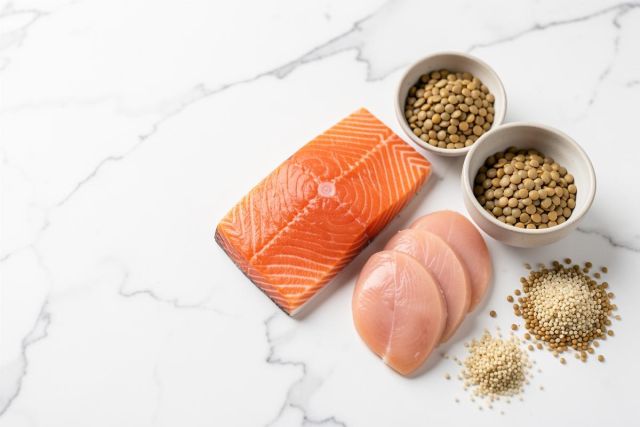
Chicken breast stands out as a top lean protein source. It is low in fat and high in protein, providing essential nutrients without excess calories. Ground turkey is another excellent option, offering a flavorful alternative to traditional meats. These protein options for obesity management can easily fit into various dishes, promoting versatility in meal preparation.
Fish is also an outstanding choice for those seeking lean proteins. Salmon and tuna are rich in omega-3 fatty acids, supporting heart health. Plant-based proteins, such as lentils and chickpeas, offer fiber alongside protein, which aids in digestion. Including these high-protein foods in your meals can help you feel fuller longer, leading to fewer cravings.
Incorporating lean protein sources into your diet is essential for effective weight loss. Aim for a variety of proteins to ensure balanced nutrition. Experimenting with different recipes can make healthy eating enjoyable. By focusing on nutritious protein options for obesity, you can take significant steps toward achieving your weight management goals. Start today by exploring these options for a healthier, more satisfying diet.
How Plant-Based Proteins Boost Obesity Management Results
Plant-based proteins play a significant role in obesity management. These healthy protein options offer numerous benefits for individuals seeking weight loss. Incorporating sources of protein for weight management can enhance satiety and reduce overall calorie intake. Many people find that plant-based proteins are both nutritious and satisfying.
Lentils and chickpeas are excellent examples of plant-based protein. These legumes are high in fiber, which aids digestion and promotes fullness. Incorporating these vegetarian protein options into meals can help control hunger, making it easier to stick to a weight loss plan. Additionally, quinoa serves as a complete protein, providing essential amino acids while being gluten-free.
Tofu and tempeh are versatile sources of protein for weight management. They can be used in various dishes, from stir-fries to salads. These soy-based products are low in calories and high in nutrients, making them perfect for healthy eating. By adding these plant proteins to your diet, you can enhance your meals while supporting your obesity management goals.
Choosing plant-based proteins is an effective strategy for weight loss. Aim to include a variety of these healthy options in your daily meals. Experimenting with recipes can make your diet enjoyable and sustainable. Start exploring vegetarian protein for obesity today and take meaningful steps toward a healthier lifestyle.
Crucial Benefits of High-Protein Diets for Weight Control
High-protein diets offer crucial benefits for weight control. These dietary patterns support effective obesity management by promoting satiety and reducing hunger. Individuals on a protein diet for obesity often find it easier to adhere to their eating plans. The advantages of protein for weight loss extend beyond simple calorie reduction.
One significant benefit of a high-protein diet is increased metabolism. Protein has a higher thermic effect compared to fats and carbohydrates. This means the body burns more calories digesting protein-rich foods. Foods such as fish, lean meats, and legumes are excellent sources for boosting metabolism.
Another advantage of high-protein diets is improved muscle retention during weight loss. Preserving muscle mass is vital for maintaining metabolic health. Incorporating protein into meals helps prevent muscle loss while shedding fat. This balance is essential for long-term weight control and overall well-being.
Adopting a high-protein diet can lead to effective obesity management. Focus on including a variety of protein sources in your daily meals. Experiment with different recipes to make healthy eating enjoyable. Taking these steps can significantly enhance your journey toward weight loss and improved health.
How Much Protein Do You Really Need for Obesity Management?
How much protein do you really need for obesity management? Determining protein requirements for weight loss is essential for effective dieting. A higher daily protein intake can help enhance satiety and support muscle retention. Many people benefit from knowing their specific protein needs during weight loss.
Daily protein intake varies based on personal factors such as age, sex, and activity level. Generally, experts recommend consuming between 0.6 to 1.0 grams of protein per pound of body weight. For someone weighing 150 pounds, that equates to 90 to 150 grams of protein daily. Such protein diet for obesity can significantly improve weight control and metabolic health.
Focusing on high-quality protein sources is critical for maximizing benefits. Foods like lean meats, dairy, legumes, and nuts are excellent choices. Incorporating these sources can help meet protein requirements while providing essential nutrients. Tracking protein intake can ensure that individuals stay within their recommended ranges for effective obesity management.
Setting realistic protein goals is vital for sustainable weight loss success. Start by assessing your current protein consumption and adjust as necessary. Aim to spread protein intake across all meals for optimal results. Making these adjustments can lead to better weight management and improved overall health.
Find the Right Weight Loss Treatment for You
Answer a few quick questions and receive a personalized obesity treatment assessment from Healthnode.
Your Health Background
These details help us understand which treatment options may be suitable for you.
Your Treatment Goals
Tell us what kind of support you are looking for.
Contact information
Your information is only used to contact you and is never shared with third parties.
Your request has been received!
Thank you. For a more accurate assessment, a HealthNode consultant may ask about your BMI, medical history, and previous weight loss attempts before matching you with a suitable specialist.
Vital Tips to Add Healthy Protein to Every Meal Easily
Vital tips to add healthy protein to every meal easily can enhance your diet. Incorporating protein sources into your meals is essential for effective weight management. Healthy protein options not only help maintain muscle but also keep you satisfied. Discovering simple ways to include protein can make a significant difference in your overall health.
Adding protein to meals can be as easy as incorporating eggs. Eggs are versatile and rich in protein, making them an excellent breakfast choice. Greek yogurt is another great option; it can be used in smoothies or as a parfait. These protein sources for obesity management can help you feel fuller and curb unhealthy snacking.
Consider using legumes like lentils and beans in your dishes. They are not only high in protein but also packed with fiber. Add chickpeas to salads or use black beans in tacos for a protein punch. These healthy protein options can easily elevate any meal while promoting weight loss.
Focus on meal planning to ensure you include protein in every meal. Prepare snacks like nuts or protein bars for quick energy. Aim to balance protein intake throughout the day for optimal results. By exploring these strategies, you can successfully add healthy protein to your diet and support your weight management goals.
Frequently Asked Questions
Q: What are the best protein sources for weight loss?
A: The best protein sources for weight loss include lean meats, fish, and legumes. These high-protein foods help reduce hunger and promote fullness. Incorporating sources of protein for weight management can enhance your diet. Consider adding eggs and dairy for added variety.
Q: How can a protein diet help with obesity management?
A: A protein diet can aid obesity management by increasing satiety. It helps preserve muscle mass while losing fat. When combined with regular exercise, it can enhance weight loss efforts. Focus on healthy protein options to support your weight loss journey.
Q: Why is protein important for weight control?
A: Protein is essential for weight control because it boosts metabolism. High-protein foods require more energy to digest, burning calories. Additionally, protein helps regulate hunger hormones effectively. This balance is vital for successful obesity management.
Q: Can I include plant-based proteins in my meals?
A: Yes, you can include plant-based proteins in your meals. Sources like beans, lentils, and tofu are excellent choices. They provide healthy protein options while being low in calories. Incorporating these options can enhance your overall protein intake.
Q: When should I consume protein for optimal weight loss?
A: Consuming protein throughout the day is ideal for weight loss. Aim to include protein in every meal and snack. This approach helps maintain energy levels and curbs cravings. Distributing protein intake supports effective obesity management.
The information provided is for educational purposes only and does not constitute medical advice. Always consult with a healthcare professional for medical guidance specific to your situation.