Table of Contents
Is PRK Procedure Completely Automated?
The PRK procedure, or photorefractive keratectomy, is an eye surgery gaining popularity. This method is crucial for patients seeking vision correction without invasive techniques. Automation in PRK enhances precision and potentially improves recovery time. Many individuals find that they benefit from this advanced laser technology.
Exploring how PRK works is vital for making informed choices. Patients often appreciate the less invasive nature of this eye surgery compared to traditional options. Understanding the automation involved can also ease concerns regarding safety and effectiveness. The advancements in PRK technology continue to shape patient experiences positively.
This innovative procedure requires careful consideration of various factors. Knowing the recovery time and steps involved can prepare individuals for their journey. Engaging with this information supports informed decision-making about eye health.
Get Support From an Eye Health Specialist
Answer a few short questions and HealthNode will help you connect with the right eye care specialist for your needs.
Share Your Symptoms
This helps us understand whether you may need routine care, vision correction, surgery consultation, or urgent eye review.
Eye History & Preferences
A few details help us route you to the right type of eye care specialist.
Final Details
Share anything important so the specialist can better understand your case.
Contact information
Your information is only used to contact you and is never shared with third parties.
Your request has been received!
Thank you. If you have recent eye exam results, glasses or contact lens prescription, eye pressure test, OCT, retinal images, visual field test, diabetes-related eye records, or previous surgery notes, please keep them ready. A HealthNode consultant will guide you through the next step.
What Makes PRK Eye Surgery Different From LASIK?
The PRK procedure stands out from LASIK in several significant ways. PRK involves reshaping the cornea's surface instead of creating a flap. This fundamental difference influences recovery and overall patient experience. Many patients prefer the PRK method for its minimal invasiveness.
One key distinction is how each surgery modifies the cornea. PRK treats the outer layer, while LASIK creates a flap for deeper treatment. This difference in technique can lead to varied recovery times. Patients often report that PRK recovery may take longer but involves less risk of complications from flap issues.
Automated PRK surgery enhances the precision of the procedure. Advanced laser technology allows for precise corneal reshaping, improving outcomes. The automation also streamlines the process, ensuring consistent results. Patients appreciate this technology as it contributes to safer, more effective vision correction.
Choosing between PRK vs LASIK requires careful consideration of personal needs. Assessing factors such as recovery time and overall health is essential. Consulting with an eye care professional can provide valuable insights. Engaging in this discussion can help determine if the PRK procedure is right for you.
How PRK Procedure Uses Advanced Laser Technology
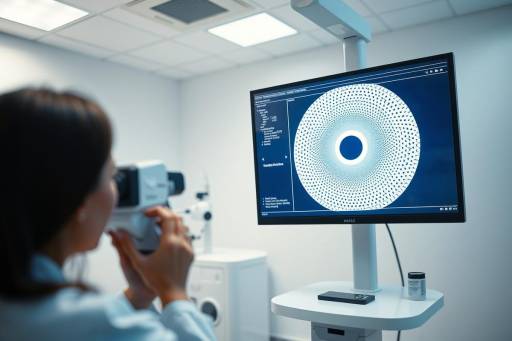
The PRK procedure utilizes advanced laser technology to reshape the cornea. This technique enhances precision and improves surgical outcomes for patients. By employing computer-guided PRK methods, surgeons can achieve remarkable accuracy. Advanced PRK laser technology plays a vital role in ensuring effective treatment.
During the surgery, the laser targets the cornea's surface layer. This process involves removing microscopic layers to correct vision issues. Automated PRK surgery further streamlines this process, minimizing human error. Patients benefit from this enhanced accuracy, leading to better healing and recovery.
Laser technology in PRK also allows for customized treatment plans. Each patient's eye anatomy is unique, requiring tailored approaches. The use of advanced imaging systems enables precise mapping of the cornea. This customization ensures optimal results and enhances overall patient satisfaction.
Choosing the right treatment involves exploring all available options. Discussing the PRK procedure steps with your eye care provider is essential. They can explain how PRK laser technology can meet your vision correction needs. Engaging in this conversation will empower you to make informed decisions.
5 Crucial Steps in the PRK Surgery Process Explained
The PRK surgery process involves five crucial steps to ensure success. Each step is designed to maximize safety and effectiveness. Knowing how PRK works helps patients feel more comfortable. This awareness also clarifies the importance of each PRK procedure step.
The first step is the pre-operative assessment. During this phase, eye care professionals evaluate your vision and eye health. They will perform tests to determine if you are a suitable candidate. This assessment sets the foundation for a successful PRK surgery process.
Next, the actual procedure begins with anesthetic drops. These drops numb the eye, ensuring a painless experience. The surgeon then uses a laser to remove the outer corneal layer. This precise removal is essential for reshaping the cornea and correcting vision.
Post-operative care is the final key step in the PRK process. Patients receive specific instructions to promote healing. It is vital to follow these guidelines closely for optimal recovery. Knowing if PRK is fully automated can also help in understanding the role of the surgeon during this step.
Being informed about each of the PRK procedure steps is empowering. Engaging with your eye care provider about the process can enhance your experience. This dialogue will ensure you feel prepared and confident on the day of your surgery.
Is PRK Procedure Fully Automated? What Patients Need to Know
This question is essential for patients considering PRK eye surgery. While automation plays a significant role, human expertise remains crucial. The integration of advanced technology enhances safety and precision during the treatment.
Automated PRK surgery employs sophisticated laser systems for corneal reshaping. These systems provide accurate measurements and adjustments, improving surgical outcomes. However, a skilled surgeon still oversees the process to ensure everything runs smoothly. The surgeon's experience is vital in customizing the procedure to each patient's needs.
PRK technology continues to evolve, bringing new advancements to the field. Many patients benefit from features such as wavefront-guided treatment. This customization allows for a tailored approach based on individual eye characteristics. Despite automation, the surgeon's judgment is necessary for optimal results.
Patients should feel empowered to ask questions about their procedure. Discussing the level of automation in the PRK surgery can enhance comfort. Engaging in open dialogue with your eye care provider will ensure you are well-informed. This knowledge allows for a smoother experience on the day of your surgery.
Top 6 Factors That Impact PRK Recovery Time
PRK recovery time can vary significantly based on several factors. Each patient's healing process is unique and influenced by various elements. Knowing the factors affecting PRK recovery can help you plan your post-operative care.
Get Support From an Eye Health Specialist
Answer a few short questions and HealthNode will help you connect with the right eye care specialist for your needs.
Share Your Symptoms
This helps us understand whether you may need routine care, vision correction, surgery consultation, or urgent eye review.
Eye History & Preferences
A few details help us route you to the right type of eye care specialist.
Final Details
Share anything important so the specialist can better understand your case.
Contact information
Your information is only used to contact you and is never shared with third parties.
Your request has been received!
Thank you. If you have recent eye exam results, glasses or contact lens prescription, eye pressure test, OCT, retinal images, visual field test, diabetes-related eye records, or previous surgery notes, please keep them ready. A HealthNode consultant will guide you through the next step.
One major factor is the patient's overall health. Individuals with pre-existing conditions may experience longer recovery times. Health issues such as diabetes can affect healing. Maintaining good health before surgery is essential for a smoother recovery.
Another important aspect is the quality of post-PRK care. Following your surgeon's care instructions significantly impacts healing. Proper use of prescribed eye drops and avoiding strain are crucial. Patients who adhere to these post-PRK care tips often report quicker recovery.
The extent of the vision correction also plays a role. Those requiring significant changes may take longer to heal. Patients should have realistic expectations regarding their PRK recovery time. Discussing these factors with your eye care provider can clarify what to expect.
Planning for adequate recovery time is essential for a successful outcome. Engaging in open communication with your surgeon can provide additional insights. This proactive approach will help ensure a smooth and comfortable healing process.
Frequently Asked Questions
Q: What is the PRK procedure and how does it work?
A: The PRK procedure is a type of eye surgery. It reshapes the cornea using PRK laser technology. This method corrects vision issues like nearsightedness and astigmatism. The process involves removing the outer corneal layer safely.
Q: How does automated PRK surgery differ from traditional PRK?
A: Automated PRK surgery uses advanced laser systems for precision. This technology enhances the accuracy of corneal reshaping. Traditional PRK relies more on manual techniques. Patients often benefit from improved outcomes with automated methods.
Q: What is the typical PRK recovery time for patients?
A: PRK recovery time usually varies from a few days to weeks. Most patients start seeing improved vision within a few days. Complete healing may take several weeks or longer. Following post-operative care tips can speed up recovery.
Q: Is PRK fully automated, or do surgeons still play a role?
A: While laser technology enhances precision, surgeons are essential for the procedure. Their expertise ensures the process is tailored to each patient's needs.
Q: What should I expect during PRK eye surgery?
A: During PRK eye surgery, patients receive numbing drops for comfort. The surgeon uses a laser to reshape the cornea. The procedure takes about 10 to 15 minutes per eye. Patients may feel slight pressure but should not experience pain.
The information provided is for educational purposes only and does not constitute medical advice. Always consult with a healthcare professional for medical guidance specific to your situation.