How Should I Prepare if My Home Has Stairs Before Hip Replacement Surgery?
Preparing your home for hip replacement surgery is crucial, especially if you have stairs. Proper preparation can significantly affect your recovery experience. Making your home safe and accessible will help you regain mobility after surgery. Patients often face challenges with stairs during recovery, making it essential to implement thoughtful changes beforehand.
Creating a safe environment involves modifying stairs for hip replacement recovery. Simple adjustments can greatly enhance your safety and comfort. Handrails, adequate lighting, and non-slip surfaces are just a few modifications to consider. These steps will facilitate smoother navigation through your home as you heal.
Need help with the next step?
Speak with our coordination team about treatment options and possible care paths.
Get Free ConsultationEnsuring support from family and caregivers is another vital aspect of preparation. They can assist in managing daily tasks and maintaining a safe space around stairs. Having a solid plan in place will help you focus on your rehabilitation journey. Continue reading to discover actionable tips and insights for making your home safer as you prepare for this important transition.
Essential Home Safety Tips for Stairs Before Hip Replacement
Home safety tips for hip surgery are vital for a smooth recovery. Stairs can pose significant risks during your healing process. Taking proactive steps to enhance stair safety can prevent falls. Implementing these essential stair safety tips will create a safer environment.
Begin by ensuring all stairways are well-lit. Bright lighting reduces the chance of missteps at night. Consider adding motion-sensor lights for convenience. Non-slip treads on each step also improve traction, making stairs safer during hip replacement recovery. These modifications help maintain stability when navigating your home.
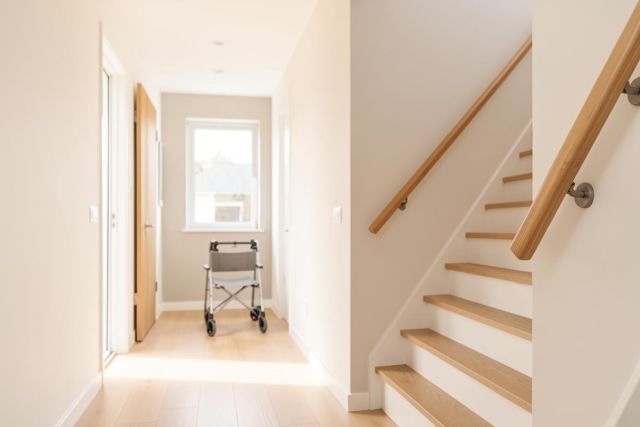
Installing sturdy handrails is another important step. Secure handrails on both sides of the staircase will provide extra support. Ensure the handrails are at a comfortable height for easy gripping. Regularly check for any loose fittings, as stability is crucial for effective use. These safety measures are essential stair safety tips that enhance your overall security.
Before surgery, remove any obstacles or clutter from stairs. Clear pathways will minimize the risk of tripping. Arrange furniture to allow for easy movement. Preparing your home in this way simplifies navigating stairs after hip surgery. An organized space creates a supportive environment for recovery. Consider these strategies as you prepare your home for surgery. Taking these steps will help you feel more confident during your healing process.
How to Modify Stairs for Hip Replacement Recovery Success
Modifying stairs for hip replacement recovery is essential for safety. Proper adjustments can greatly enhance your mobility during healing. These modifications will help reduce fall risks and promote independence. Focusing on stair safety equipment is a vital part of this process.
Begin by installing sturdy handrails on both sides of the staircase. This provides crucial support for balance while navigating stairs. Ensure the handrails are securely fastened and at a comfortable height. Adding non-slip treads to each step will also improve traction. These home modifications for surgery recovery create a safer environment as you heal.
Consider using a stair lift for added convenience. Stair lifts provide smooth, safe transport between floors. This equipment can be particularly helpful for those with limited mobility. Regularly checking the lift's functionality ensures consistent safety. Implementing these modifications can make a significant difference in your recovery experience.
Lastly, declutter your stairs. Remove any obstacles that might cause tripping hazards. An organized space allows for easier navigation, especially after surgery. Modifying stairs for hip replacement not only enhances safety but also fosters confidence. Prepare your home thoughtfully to support your healing process and regain independence.
Step-by-Step Pre-Surgery Checklist for Multi-Level Homes
A pre-surgery checklist for hip replacement is essential for multi-level homes. Preparing your home effectively will enhance your recovery experience. Focus on making necessary adjustments to ensure safety and comfort. This checklist will guide you through the preparation process.
Begin by relocating essential items to a single floor. Move your bedroom and bathroom necessities downstairs, if possible. This minimizes the need for stair navigation during recovery. Having easy access to frequently used items will significantly ease daily tasks. Consider how to prepare your home for surgery so you can focus on healing.
Next, arrange furniture to create clear pathways. Ensure that hallways and stairways are free from obstacles. This reduces the risk of tripping and falling. Install handrails and non-slip treads on stairs for added safety. These modifications are crucial when preparing multi-level homes for a smooth recovery.
Lastly, enlist help from family and friends. They can assist in managing household tasks during your recovery period. Having a support system in place allows you to focus on rehabilitation. Utilize this pre-surgery checklist for hip replacement to create a safe and functional home. Make these preparations now to ease your transition after surgery.
Top Mobility Tools to Navigate Stairs After Hip Surgery
Navigating stairs after hip surgery can be challenging. Using the right mobility tools is essential for a safe recovery. These tools provide support and stability as you move between floors. Knowing the best mobility tools for stairs can help enhance your confidence.
A sturdy cane is one of the most effective mobility tools. Canes offer support while walking and help maintain balance. Choose a cane with a rubber tip for better traction. This tool is especially helpful during initial recovery when navigating stairs.
Another valuable option is a walker with wheels. Walkers provide more stability than canes and allow for easier movement. Many models also include a seat for resting when needed. This makes them ideal for those adjusting to stair climbing aids post surgery.
Need help with the next step?
Speak with our coordination team about treatment options and possible care paths.
Get Free ConsultationStair lifts can be a game-changer for those with multi-level homes. Stair lifts transport you safely between floors without physical effort. This equipment is particularly beneficial for individuals with limited mobility. Investing in stair lifts enhances safety during recovery and offers peace of mind.
Consider these mobility tools as you prepare for surgery. Selecting the right aids will make navigating stairs after hip surgery much easier. Assess your needs and explore options that enhance your recovery journey. Prioritize safety and comfort to regain your independence confidently.
How Family and Caregivers Can Support Stair Safety During Recovery
Family and caregivers play a crucial role in stair safety during recovery. Their support can significantly reduce the risk of falls. By implementing effective strategies, they help create a safe environment. These caregiver tips for hip surgery recovery are essential for successful healing.
First, family members should assist with daily tasks. Ensuring easy access to frequently used items minimizes the need to navigate stairs. They can bring essential items to the living area to reduce trips upstairs. This simple adjustment can greatly enhance safety and comfort during recovery.
Second, caregivers should actively monitor stair conditions. Regularly check that handrails are secure and free from obstructions. Ensuring adequate lighting on stairs is also vital. Good visibility decreases the likelihood of accidents and enhances stair safety support. These precautions create a safer environment for the recovering individual.
Finally, emotional support is just as important. Family members should encourage open communication about fears and concerns. Providing reassurance helps build confidence when navigating stairs. Family support after hip replacement can significantly impact the overall recovery experience. Encourage your loved one to voice their needs and concerns for a smoother healing process.
Frequently Asked Questions
Q: What are essential home safety tips for hip surgery?
A: Home safety tips for hip surgery include removing obstacles. Clear pathways to reduce fall risks are important. Installing handrails can also enhance stair safety. Ensure proper lighting is available for visibility.
Q: How to prepare home for surgery before hip replacement?
A: Preparing your home for surgery involves several steps. Relocate essential items to easily accessible areas. Consider modifying stairs for hip replacement recovery for safety. Create a comfortable resting space on the main floor.
Q: When should I start modifying stairs for hip replacement?
A: Start modifying stairs for hip replacement as soon as possible. This allows ample time for adjustments before surgery. Prioritize installing non-slip treads and secure handrails. These changes will aid in navigating stairs after hip surgery.
Q: Can family members help with stair safety during recovery?
A: Family members can significantly assist with stair safety. They should help clear stairs and check for hazards. Encouragement and emotional support are equally important. Their involvement enhances safety and boosts confidence during recovery.
Q: What is a pre-surgery checklist for hip replacement?
A: A pre-surgery checklist for hip replacement includes essential tasks. Moving frequently used items to the main floor is crucial. Making home modifications improves safety and comfort. Review this list regularly to stay organized.
The information provided is for educational purposes only and does not constitute medical advice. Always consult with a healthcare professional for medical guidance specific to your situation.