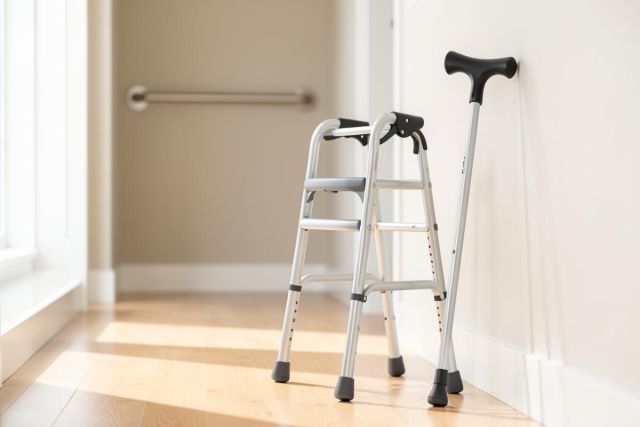
Should I Obtain a Walker or Cane Before Hip Replacement Surgery?
Preparing for hip replacement surgery is a critical step for patients. Many individuals wonder whether they should obtain a walker or cane before hip replacement surgery. This decision plays a vital role in ensuring safety and promoting a smoother recovery process. Mobility aids like walkers and canes provide essential support, helping patients regain their independence after surgery.
Choosing the right mobility aid can enhance comfort and stability during recovery. A walker offers greater support, making it easier to move around post-surgery. The right support system reduces the risk of falls, which is crucial during the healing phase. Assessing personal needs and consulting healthcare providers can guide patients in selecting the best option for hip replacement recovery tools.
Need help with the next step?
Speak with our coordination team about treatment options and possible care paths.
Get Free ConsultationUnderstanding mobility aids for hip surgery is an essential part of preparation. Patients should consider practicing with their chosen device before the procedure. This practice can boost confidence and make transitioning to mobility easier. Preparing early ensures a smoother path to recovery and greater peace of mind.
Essential Reasons to Get a Walker or Cane Before Hip Surgery
Obtaining a walker or cane before hip surgery is crucial for recovery. These mobility aids provide essential support during the initial healing phase. They enable safer movement and help prevent falls. Ensuring you have the right equipment can make a significant difference in your recovery journey.
Safety is one of the primary reasons to consider a walker for hip replacement. After surgery, your balance may be affected. A walker offers stability, which reduces the risk of falls. Using a cane before hip surgery can also help with mobility and confidence as you transition to walking again.
Another important reason involves increased independence. Having a walker or cane allows patients to move around freely. This freedom can lead to a more positive mental state during recovery. Utilizing hip replacement recovery tools contributes to quicker rehabilitation and helps regain daily functions.
Practical planning is essential for a smooth recovery. Consider practicing with your chosen mobility aid before surgery. This preparation can help you feel more comfortable and confident afterward. Obtaining a walker or cane before hip surgery is a wise decision that supports your recovery. Start planning for your mobility needs today to ensure a successful healing process.
How to Choose the Best Mobility Aid for Hip Replacement Recovery
Choosing the best mobility aid for hip replacement recovery is vital. Selecting the right tool can significantly impact your healing process. Consider your specific needs and preferences when making this decision. Evaluating options like a walker or cane is essential for safe recovery.
Assessing your balance and strength will guide your choice. A walker provides more support than a cane. If you feel unsteady, a walker may be the best mobility aid after surgery. Alternatively, a cane can offer sufficient support for those with better balance.
Consulting your healthcare provider is crucial during this process. They can help determine which option fits your recovery plan. Ask questions like "Should I get a walker or cane?" Their professional input can clarify any doubts you may have.
Practical considerations can also influence your decision. Evaluate the size and weight of the mobility aid. Choose a model that is easy to use and store in your home. Preparing for hip replacement surgery means being proactive about your mobility needs. Take the time to research and select the best option for your recovery journey.
Top 3 Tips for Preparing Your Home for a Walker or Cane
Preparing your home for a walker or cane is essential for recovery. Making simple adjustments can create a safer environment for mobility. Consider the layout of each room and how you will navigate with a walker for hip replacement. These preparations will help you transition smoothly after surgery.
Start by decluttering pathways in your home. Remove any obstacles that could cause trips or falls. Keeping floors clear ensures safe movement with your mobility aid. Consider using non-slip mats to enhance home safety for mobility aids.
Next, focus on furniture arrangement. Ensure that important items are within easy reach. Place frequently used items on lower shelves to avoid stretching. This will make setting up for recovery easier and more comfortable.
Lastly, consider adding supportive accessories. Grab bars in the bathroom can provide extra stability. A shower chair can also help during bathing. Preparing for hip replacement surgery involves thoughtful planning to enhance your safety and independence. Take these steps to create a supportive environment for your recovery journey.
When Should You Start Using Mobility Aids for Hip Surgery?
Knowing when to start using mobility aids for hip surgery is crucial. Proper timing can significantly impact your recovery journey. Many patients benefit from using these aids immediately after surgery. Early use can aid in regaining strength and mobility.
Post-operative guidelines typically recommend starting mobility aids within a day. Using a walker can provide stability while you adjust to moving again. This is an important step in determining when to use a walker before hip surgery. Starting early helps build confidence and reduces the risk of falls.
Need help with the next step?
Speak with our coordination team about treatment options and possible care paths.
Get Free ConsultationAs healing progresses, transitioning to a cane may be appropriate. Patients often find that a cane offers sufficient support as they regain strength. Using hip replacement recovery tools at the right times can enhance your rehabilitation. Monitoring your progress with healthcare professionals is essential during this phase.
Practical advice includes practicing with your mobility aid at home. Familiarizing yourself with how to use it correctly can ease anxiety. Knowing when to use mobility aids for hip surgery ensures a smoother transition. Take these steps to set yourself up for a successful recovery.
Vital Mistakes to Avoid When Getting a Walker or Cane
Avoiding mistakes when getting a walker or cane is essential for recovery. Many patients overlook key factors that can affect their safety and mobility. These errors can hinder the healing process after surgery. Being aware of common pitfalls can help you make informed choices.
One common mistake involves choosing the wrong size. A walker that is too high or too low can cause discomfort. Similarly, using a cane before hip surgery that does not fit properly can lead to instability. Ensuring the right fit is crucial for effective use of mobility aids.
Another significant error is neglecting to practice with your mobility aid. Many patients assume they will naturally know how to use it. This assumption can lead to accidents or injuries. Taking time to practice with your walker for hip replacement or cane can greatly improve your confidence and safety.
Practical advice includes seeking professional guidance during your selection process. Consulting with a healthcare provider can prevent mistakes with walkers or canes. Preparing for hip replacement surgery involves thorough planning. Take these steps to avoid errors with mobility aids and enhance your recovery experience.
Frequently Asked Questions
Q: What is the best mobility aid after hip surgery?
A: The best mobility aid after hip surgery varies for each patient. Many find that a walker for hip replacement offers the most support. A cane may be sufficient for those with better balance. Consider your personal needs and consult your doctor for recommendations.
Q: How do I choose between a walker or cane?
A: Choosing between a walker or cane depends on your stability. A walker provides more support for those needing extra assistance. A cane before hip surgery can help if you have good balance. Discuss your options with a healthcare professional for the best advice.
Q: When should I start using mobility aids for hip surgery?
A: Start using mobility aids for hip surgery soon after surgery. Many patients begin using a walker on the first day. Early use helps build confidence and reduces fall risks. Consult your healthcare team for personalized guidance on your recovery timeline.
Q: Why is practicing with a walker or cane important?
A: Practicing with a walker or cane is crucial for safety. Familiarity with your mobility aid boosts confidence and reduces accidents. This practice helps you learn how to navigate safely at home. Take time to practice before hip replacement recovery tools become essential.
Q: Can I use a cane before hip surgery?
A: Yes, using a cane before hip surgery can be beneficial. It helps improve balance and mobility leading up to the procedure. A cane can also help you adjust to movement patterns. Discuss this option with your doctor to ensure it fits your needs.
The information provided is for educational purposes only and does not constitute medical advice. Always consult with a healthcare professional for medical guidance specific to your situation.