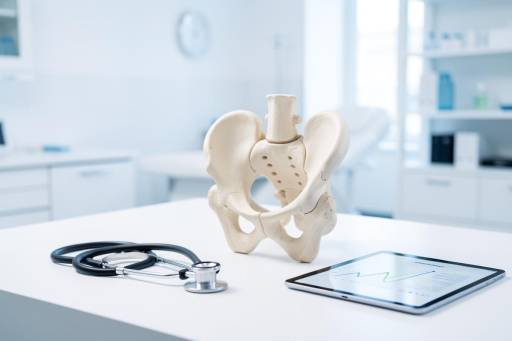
Should Physical Therapy Appointments Be Scheduled Before Hip Replacement Surgery?
Should physical therapy appointments be scheduled before hip replacement surgery? This question is vital for anyone facing this procedure. Preparing for hip replacement requires careful planning, and physical therapy plays a crucial role. Engaging in physical therapy before surgery can enhance recovery and improve overall outcomes.
Pre-operative physical therapy offers patients essential benefits. It helps build strength, increase mobility, and reduce postoperative pain. Beginning physical therapy early allows patients to familiarize themselves with exercises that will aid in their recovery journey. Prehabilitation for hip replacement sets the foundation for a smoother surgical experience and faster rehabilitation.
Need help with the next step?
Speak with our coordination team about treatment options and possible care paths.
Get Free ConsultationThe timing of physical therapy appointments is key to success. Coordinating with healthcare providers ensures a comprehensive approach to preparation. Patients can maximize their recovery and improve their experience after hip replacement surgery by taking proactive steps. Seeking guidance from physical therapists can lead to better health outcomes and increased confidence moving forward.
Essential Benefits of Pre-Operative Physical Therapy for Hip Replacement
Pre-operative physical therapy is essential for hip replacement surgery. Engaging in physical therapy before surgery provides numerous benefits. It prepares the body for the demands of recovery and improves overall outcomes. Patients can experience enhanced mobility and reduced pain following their procedures.
One significant benefit of physical therapy is the improvement in strength. Pre-operative physical therapy helps patients build the muscles around the hip joint. This increased strength supports better stability during recovery. Stronger muscles also reduce the risk of injuries after surgery, contributing to improved recovery after hip surgery.
Another important advantage is increased range of motion. Physical therapists guide patients through exercises that enhance flexibility in the hip joint. Improved flexibility can simplify movements during rehabilitation. Patients who actively participate in pre-operative physical therapy often find they regain mobility faster and with less discomfort.
Patients should consider incorporating physical therapy into their pre-surgery routine. Scheduling regular sessions can lead to significant gains in strength and flexibility. The benefits of physical therapy extend beyond surgery, laying the groundwork for long-term success. Taking these proactive steps now can lead to a smoother recovery process after hip replacement surgery.
How to Schedule Physical Therapy Appointments Before Hip Surgery
Scheduling physical therapy appointments before hip surgery is crucial. This proactive step can significantly enhance recovery outcomes. Patients should prioritize setting up these appointments as part of their hip replacement preparation. Effective scheduling ensures that individuals receive the necessary care in time for surgery.
Start by consulting your orthopedic surgeon. They can recommend physical therapists who specialize in pre-operative care. Knowing when to start prehabilitation is essential for maximizing benefits. Early appointments allow for adequate time to build strength and flexibility before surgery.
Consider your schedule and availability when booking sessions. Aim for at least two to three appointments each week leading up to surgery. Consistent attendance helps maintain momentum and improves overall progress. Communication with your therapist about your goals can lead to a tailored approach.
Patients should take the initiative to schedule physical therapy appointments promptly. Engaging in physical therapy before surgery can lead to better recovery experiences. Focus on creating a plan that accommodates your needs and timeline. Taking these steps now sets the stage for a smoother recovery after hip replacement surgery.
What to Expect During Prehabilitation for Hip Replacement
What to expect during prehabilitation for hip replacement is essential for patients. This process prepares individuals for the demands of surgery. Engaging in prehabilitation can significantly enhance recovery and improve overall outcomes. Patients will experience a tailored program focusing on strength and flexibility.
Physical therapy before surgery typically involves a variety of exercises. Therapists will guide patients through specific movements designed to strengthen the hip area. Common exercises include leg lifts, range-of-motion exercises, and balance training. These activities help ensure that patients are physically ready for hip replacement surgery.
In addition to physical exercises, education plays a critical role. Patients will learn about post-operative care and recovery strategies. Understanding how to manage pain and perform daily activities is vital. This knowledge empowers patients to take an active role in their recovery process.
Taking part in prehabilitation for hip replacement sets the stage for success. Patients should commit to their pre-op exercise program to achieve the best results. Consistent effort leads to improved strength and flexibility, making recovery smoother. Engaging fully in this process can lead to a more confident and effective recovery journey after hip surgery.
Top Mistakes to Avoid When Preparing for Hip Replacement Surgery
Top mistakes to avoid when preparing for hip replacement surgery can significantly impact recovery. Proper planning is essential for a successful outcome. Recognizing these pitfalls helps patients prepare for hip replacement effectively. Avoiding common errors ensures a smoother surgical experience and better rehabilitation.
Skipping pre-op physical therapy is a major mistake. Engaging in physical therapy before surgery builds strength and flexibility. Patients who participate in these sessions tend to recover faster. Lacking this preparation can lead to complications and prolonged recovery times.
Neglecting to discuss medications with healthcare providers can hinder recovery. Patients must inform their doctors about all medications taken. Some medications may need adjustments or pauses before surgery. Open communication about medications is crucial for a safe surgical experience.
Need help with the next step?
Speak with our coordination team about treatment options and possible care paths.
Get Free ConsultationFailing to prepare the home environment is another critical mistake. Patients should arrange their living spaces for ease and safety. Removing tripping hazards and ensuring accessibility to essential items promotes independence. Preparing the home can greatly enhance hip replacement recovery tips.
Avoid these mistakes to achieve a successful hip surgery experience. Focus on engaging in pre-op physical therapy and maintaining open communication with your healthcare team. Taking proactive steps now lays the groundwork for a smoother recovery process after hip replacement surgery.
Expert Tips to Maximize Recovery After Hip Replacement Surgery
Expert tips to maximize recovery after hip replacement surgery can greatly enhance outcomes. Focusing on proper care and rehabilitation is essential for a successful recovery. Implementing these strategies allows patients to improve recovery after hip surgery effectively. Commitment to a well-structured recovery plan is key to regaining mobility.
Post-op physical therapy tips are vital for effective rehabilitation. Engaging in regular therapy sessions helps build strength and flexibility. Following the therapist's guidance ensures patients perform exercises correctly and safely. Consistency in attending physical therapy after surgery often leads to faster recovery times.
Nutrition also plays a crucial role in healing. A balanced diet rich in vitamins and minerals supports tissue repair. Protein intake is especially important for muscle recovery. Patients should focus on consuming nutrient-dense foods to aid their rehabilitation process.
Patients should prioritize rest and listen to their bodies. Allowing time for healing is essential for long-term success. Gradually increasing activity levels while following medical advice can prevent complications. Taking these steps will help maximize hip replacement outcomes and enhance overall recovery. Embrace these tips for a smoother journey toward restoring mobility and strength.
Frequently Asked Questions
Q: What are the benefits of physical therapy before surgery?
A: Physical therapy before surgery helps strengthen muscles around the joint. This preparation can improve recovery after hip surgery. Engaging in pre-operative physical therapy often reduces post-operative pain. Patients typically experience better overall mobility following surgery.
Q: How do I schedule physical therapy appointments before surgery?
A: Start by consulting your orthopedic surgeon for referrals. They can recommend qualified physical therapists for prehabilitation for hip replacement. Aim to schedule appointments at least two to three times per week. Consistent attendance will enhance your preparation for surgery.
Q: When should I begin pre-operative physical therapy?
A: Begin pre-operative physical therapy as soon as possible. Ideally, start a few weeks before hip replacement surgery. Early engagement allows time to build strength and flexibility. This proactive approach leads to improved recovery after hip surgery.
Q: How does prehabilitation for hip replacement work?
A: Prehabilitation for hip replacement involves tailored physical therapy exercises. Therapists focus on strength training and flexibility to prepare patients. This plan often includes education about post-operative care. Patients who engage fully see better outcomes after surgery.
Q: Can physical therapy improve recovery after hip surgery?
A: Yes, physical therapy significantly improves recovery after hip surgery. Engaging in rehabilitation exercises helps regain strength and mobility. Patients who participate in therapy often experience quicker recovery times. Following the therapist's guidance is essential for optimal results.
The information provided is for educational purposes only and does not constitute medical advice. Always consult with a healthcare professional for medical guidance specific to your situation.