How Does The Surgeon Confirm The Corneal Flap Is Properly Positioned At The End Of LASIK Eye Surgery?
Corneal flap positioning after LASIK surgery is confirmed using real-time surgical techniques and advanced imaging to ensure optimal healing.
Search for articles by tag Ophthalmology.

Corneal flap positioning after LASIK surgery is confirmed using real-time surgical techniques and advanced imaging to ensure optimal healing.

LASIK eye surgery preparation includes thorough eye cleansing, antibiotic use, and sterile protocols to minimize infection risk safely.
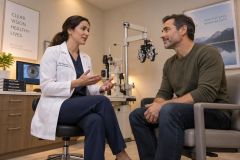
Eyelids are kept open during LASIK eye surgery using specialized speculums and retractors to ensure safety and comfort throughout the procedure.

LASIK flap repositioning uses precise laser techniques to secure the corneal flap without stitches, ensuring safe healing and quick recovery.

LASIK eye surgery can sometimes correct different prescriptions in each eye, but thorough evaluation ensures safe, effective vision correction.

Eye dominance plays a crucial role in monovision LASIK surgery planning and outcomes. Learn how it influences vision correction and patient satisfaction.

LASIK eye surgery after retinal surgery is possible with careful evaluation and timing. Learn about eligibility, risks, and alternatives.

LASIK eye surgery can be an option for contact sports players with proper evaluation and precautions. Learn about safety and candidacy factors.
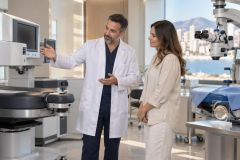
LASIK eye surgery and cataract surgery serve distinct vision correction purposes. Understand their differences to choose the right option for your eyes.
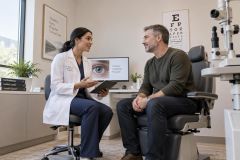
LASIK eye surgery can be suitable for people over 50 with stable eye health. Learn age-related factors, risks, and benefits for older adults.