Do Continuous Passive Motion Machines Help After Knee Replacement?
Continuous passive motion machines are not routinely needed after knee replacement. See what evidence says and how CPM fits with active rehabilitation.
Search for articles by tag Rehabilitation.

Continuous passive motion machines are not routinely needed after knee replacement. See what evidence says and how CPM fits with active rehabilitation.
Dizzy when standing after knee replacement? Learn how to prevent a fall, move safely, and recognize symptoms that need prompt medical care.
Constipation from pain medicines after knee replacement? See recovery-friendly steps, safe bowel medicine guidance, and symptoms that need prompt care.
Direct lateral approach hip replacement uses a route beside the hip joint that involves gluteal tissues. See what is handled and what recovery may involve.

Returning to sports after knee replacement depends on function and sport demands. Compare activity levels and prepare practical questions for your care team.
Tendon tear after knee replacement can limit leg control. See possible symptoms, how clinicians assess the injury, and what treatment may involve.
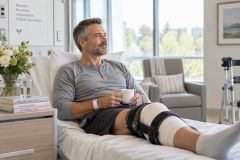
Nausea after knee replacement can disrupt fluids and rehabilitation. See likely causes, clinician-guided relief, practical steps, and warning signs that need care.

Knee replacement clicking when walking is often painless, but new pain, swelling, or instability needs attention. Learn what to track and when to seek care.
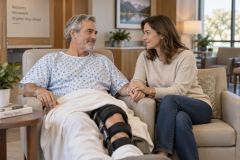
Hip dysplasia and hip replacement require planning around socket shape, bone support, implant position, and leg length. See what surgeons assess.

Low mood after hip replacement can affect daily life and rehabilitation. Track changes, know when to contact your care team, and find urgent support.