Table of Contents
How Does Laser Teeth Whitening Work?
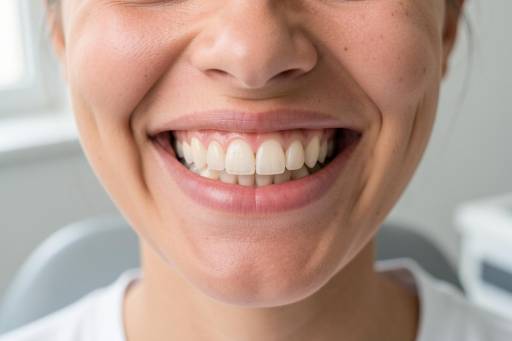
Laser teeth whitening is a professional dental procedure that uses a specialized light source to activate a bleaching agent applied to your teeth, resulting in a brighter and more radiant smile. This method accelerates the whitening process compared to traditional whitening techniques, offering faster and often more noticeable results. For many patients, this means achieving a whiter smile in a single office visit rather than over weeks or months.
The procedure involves applying a peroxide-based gel to your teeth, which the laser light then activates to break down stains on the enamel. Unlike over-the-counter options, laser whitening is performed under the supervision of dental professionals, ensuring safety and effectiveness tailored to your dental health. This professional oversight helps minimize risks such as gum irritation or excessive sensitivity.
Understanding how laser teeth whitening works can help you decide if it’s the right choice for enhancing your dental aesthetics. It combines advanced technology with dental science to provide a cosmetic treatment aimed at improving the appearance of your smile with precision and care. Patients should consider their dental history, current oral health, and aesthetic goals when evaluating this option. Additionally, discussing potential side effects, maintenance requirements, and costs with your dentist can help you make an informed choice that fits your lifestyle and expectations.
Find the Right Teeth Whitening Option for Your Smile
Answer a few short questions and HealthNode will help you connect with the right cosmetic dentist for safe and effective teeth whitening.
Your Teeth and Dental History
A few details help us understand whether whitening, cleaning, veneers, bonding, or another option may be more suitable.
Dental Health Check
This helps the dentist understand whether any dental issue should be checked before whitening.
Contact information
Your information is only used to contact you and is never shared with third parties.
Your request has been received!
Thank you. If you have recent dental photos, dental X-rays, previous whitening records, sensitivity history, or information about crowns, veneers, fillings, or bonding, please keep them ready. A HealthNode consultant will guide you through the next step.
Laser Teeth Whitening: Key Facts and Benefits
Laser teeth whitening is a cosmetic dental treatment designed to lighten the color of your teeth by removing stains and discoloration. Unlike traditional whitening methods that may rely on chemical agents alone, laser whitening uses a concentrated light source to activate the bleaching gel applied to your teeth. This activation accelerates the chemical reaction, breaking down stain molecules more efficiently.
This activation helps speed up the whitening process, allowing for quicker results, often within a single session. The procedure is typically conducted in a dental office by trained professionals who can customize the treatment based on your unique dental needs, including the type and severity of staining, tooth sensitivity, and overall oral health.
Compared to at-home whitening kits, laser whitening offers more controlled and effective results, making it a popular choice for those seeking significant improvements in dental aesthetics. However, it is important to consult with your dentist to determine if this procedure is suitable for you based on your oral health and whitening goals. Some patients may require alternative treatments if they have dental restorations or underlying dental conditions.
Patients should also be aware that while laser whitening can produce dramatic improvements, results vary and maintenance treatments may be necessary to sustain the brightness. Proper oral hygiene and lifestyle choices also play a critical role in prolonging the effects of the whitening procedure.
The Science Behind Laser Teeth Whitening
The fundamental principle of laser teeth whitening involves using a laser or a specialized light to accelerate the chemical reaction of the whitening gel applied to your teeth. The gel usually contains hydrogen peroxide or carbamide peroxide, which penetrates the tooth enamel to break down the compounds causing discoloration. This process targets both surface stains and deeper discolorations within the tooth structure, making it effective for a range of staining causes such as food, drink, smoking, or natural aging.
When the laser light is directed onto the gel, it activates the peroxide molecules, producing oxygen radicals that chemically break apart the stains on the enamel surface and within the tooth structure. This process is known as dental bleaching. The laser's energy enhances the gel’s effectiveness, enabling deeper stain removal in a shorter amount of time than conventional methods. This combination of light activation and bleaching agents is what makes laser whitening distinct and efficient in improving dental aesthetics.
It is important to note that the laser itself does not whiten the teeth directly; rather, it serves as a catalyst to speed up the chemical reaction of the bleaching gel. The procedure is typically performed by dental professionals who can adjust the intensity and duration of laser exposure based on individual patient needs and sensitivity levels. While effective, the treatment may not be suitable for all types of discoloration, such as intrinsic stains caused by trauma or certain medications. Understanding the underlying science helps set realistic expectations about the outcomes and potential need for maintenance treatments.
What to Expect During the Procedure
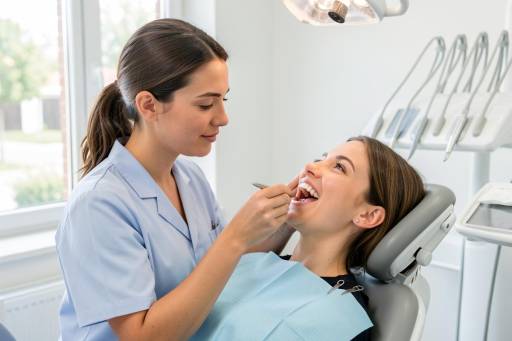
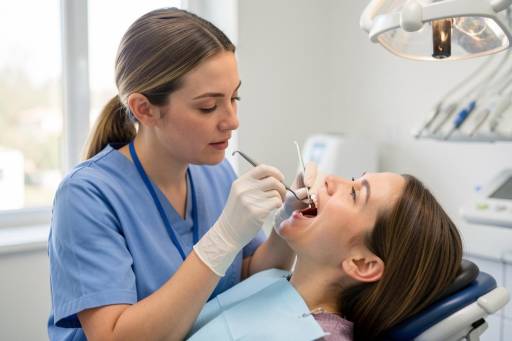
Laser teeth whitening typically begins with a dental cleaning to ensure your teeth are free of plaque and debris, which can interfere with the effectiveness of the whitening gel. Your dentist then applies a protective barrier to your gums to shield them from the bleaching agent, preventing irritation or chemical burns during the procedure.
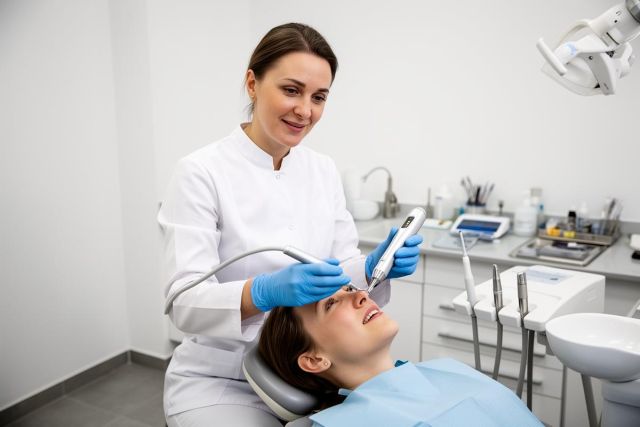
Next, the whitening gel, usually containing hydrogen peroxide or carbamide peroxide, is carefully applied to the surface of your teeth. The dentist then directs the laser or a specialized light source onto your teeth, activating the gel. This activation lasts anywhere from 10 to 20 minutes, depending on the product and desired level of whitening. In some cases, multiple cycles of laser activation may be performed within a single session to enhance results.
During the procedure, you may feel slight warmth but usually no pain. Some patients might experience mild sensitivity, which is typically temporary. After the laser activation, the gel is removed, and your teeth are rinsed thoroughly. Post-treatment care typically involves avoiding foods and drinks that can stain your teeth, such as coffee, red wine, and tobacco products, for a few days. Maintaining good oral hygiene is also essential to prolong results.
The entire session often lasts about 30 to 60 minutes, and you might see a noticeable difference immediately after treatment. Follow-up appointments may be recommended for optimal whitening results, especially if your teeth have deeper stains or if you desire further whitening. Your dentist will provide personalized advice on how to care for your teeth after the procedure and when to consider maintenance treatments.
Safety, Risks, and Effectiveness of Laser Teeth Whitening
Laser teeth whitening is generally considered safe when performed by qualified dental professionals who follow established protocols. The procedure uses regulated concentrations of bleaching agents and controlled light exposure to minimize risks and ensure patient comfort.
Some patients may experience temporary tooth sensitivity or gum irritation following treatment. These effects typically subside within a few days and can be managed with desensitizing toothpaste, fluoride treatments, or over-the-counter pain relievers. It is important to communicate any discomfort to your dentist, who can recommend appropriate measures to alleviate symptoms.
Effectiveness varies depending on factors like the type and depth of stains, but clinical evidence supports laser whitening as an effective method for improving tooth color. Patients with intrinsic stains or dental restorations may see less dramatic results. A thorough dental evaluation before treatment is essential to ensure no underlying issues such as cavities or gum disease could be aggravated by whitening.
Avoiding overuse or frequent treatments is crucial, as excessive bleaching can damage enamel and increase sensitivity. Your dentist will recommend an appropriate schedule to balance results and oral health, often suggesting maintenance treatments spaced several months apart.
Note that laser teeth whitening is not recommended for patients with dental restorations such as crowns or veneers, as these materials do not respond to bleaching agents and may result in uneven coloring. Patients with certain medical conditions, pregnant or breastfeeding women, and children should also consult their dentist before undergoing whitening procedures to ensure safety.
Benefits and Limitations of Laser Teeth Whitening
Laser teeth whitening offers several advantages over traditional whitening methods. It provides faster results, often noticeable after just one session, and is performed under professional supervision, ensuring tailored treatment and safety. The ability to customize the procedure based on your dental condition means that the concentration of the whitening gel and laser intensity can be adjusted to optimize results while minimizing discomfort.
The procedure can effectively target stubborn stains caused by coffee, tea, smoking, or aging, enhancing the overall dental aesthetics and boosting confidence. Many patients appreciate the immediate improvement in tooth brightness, which can contribute positively to social and professional interactions.
However, laser whitening also has limitations. It tends to be more expensive than at-home kits or non-laser professional treatments, which may influence some patients' decisions. Additionally, it may not be suitable for everyone, especially those with sensitive teeth, gum disease, or certain dental restorations such as crowns or veneers, as these materials do not respond to bleaching agents and can lead to uneven coloring.
Results are not permanent; lifestyle habits such as consuming staining foods or beverages and smoking, along with oral hygiene practices, will influence how long the whitening lasts. Often, periodic maintenance treatments are necessary to sustain the desired level of whiteness. Understanding these factors helps you make an informed decision about whether laser teeth whitening aligns with your goals and oral health status, balancing expectations with realistic outcomes.
Find the Right Teeth Whitening Option for Your Smile
Answer a few short questions and HealthNode will help you connect with the right cosmetic dentist for safe and effective teeth whitening.
Your Teeth and Dental History
A few details help us understand whether whitening, cleaning, veneers, bonding, or another option may be more suitable.
Dental Health Check
This helps the dentist understand whether any dental issue should be checked before whitening.
Contact information
Your information is only used to contact you and is never shared with third parties.
Your request has been received!
Thank you. If you have recent dental photos, dental X-rays, previous whitening records, sensitivity history, or information about crowns, veneers, fillings, or bonding, please keep them ready. A HealthNode consultant will guide you through the next step.
Frequently Asked Questions
Q: How long does laser teeth whitening last?
A: Laser teeth whitening results typically last from six months to two years, depending on your diet and oral hygiene habits. Avoiding staining foods and tobacco can help maintain your bright smile longer. Regular dental cleanings also support lasting effects.
Q: Is laser teeth whitening safe for sensitive teeth?
A: Laser whitening can cause temporary sensitivity, especially if you already have sensitive teeth. Your dentist can recommend desensitizing treatments or adjust the procedure to minimize discomfort. If sensitivity is severe, alternative whitening methods may be advised.
Q: Can laser teeth whitening remove all types of stains?
A: Laser whitening is effective against many common extrinsic stains caused by food, drink, and smoking. However, intrinsic stains from medications, trauma, or fluorosis may not respond well. Your dentist can evaluate the cause of discoloration to recommend the best treatment.
Q: How much does laser teeth whitening cost?
A: Costs vary by location and provider, but laser whitening is generally more expensive than at-home kits or non-laser professional options. Pricing depends on the clinic, treatment complexity, and any necessary follow-up care. Consult your dental provider for current pricing details.
Q: Are there any risks with laser teeth whitening?
A: Risks are minimal when performed by professionals but can include temporary sensitivity or gum irritation. Overuse or inappropriate application may damage enamel. A dental evaluation before treatment helps ensure safety and suitability.
The information provided is for educational purposes only and does not constitute medical advice. Always consult with a healthcare professional for medical guidance specific to your situation.