Quick Answer
Emergency steps for food allergies include recognizing symptoms such as hives, difficulty breathing, or swelling, promptly administering an epinephrine auto-injector if severe symptoms appear, calling emergency services immediately, and following a prepared emergency response plan.
- Recognizing vital signs like hives, difficulty breathing, and gastrointestinal symptoms is crucial during a food allergy emergency.
- Immediate administration of an epinephrine auto-injector is essential for severe allergic reactions.
- Calling emergency medical services promptly is necessary even after initial treatment.
- Creating and sharing a detailed emergency food allergy response plan improves safety and preparedness.
- A well-stocked food allergy first aid kit should include an epinephrine auto-injector, antihistamines, and a medical alert card.
- Avoid delaying epinephrine use, failing to call emergency services, and not informing bystanders during an allergy emergency.
- Regularly reviewing and practicing the emergency plan with family and caregivers enhances readiness and confidence.
What emergency steps should be taken for Food Allergies?
Food allergies can trigger severe reactions that require immediate attention. Recognizing the importance of knowing emergency steps for food allergies is crucial for patients and caregivers. An estimated 32 million Americans live with food allergies, making emergency preparedness essential for their safety.
During a food allergy emergency, swift action can save lives. Understanding how to manage food allergies through a well-prepared response plan is vital. This plan should include recognizing symptoms and knowing the steps to take during an allergic reaction. Having a food allergy first aid kit on hand ensures that necessary items are readily available when needed.
Taking proactive measures is key to preventing severe allergic reactions. Knowing the common emergency signs and the appropriate responses can help individuals navigate these critical situations. Anyone managing food allergies should prioritize education and preparation. Staying informed can lead to better outcomes and peace of mind.
Get expert support for your treatment
Let our coordination team prepare a personalized plan for you.
Contact information
Your information is only used to contact you and is never shared with third parties.
Your request has been received!
Your request has been received! Our coordination team will contact you as soon as possible.
5 Vital Signs of a Food Allergy Emergency You Must Know
Recognizing the vital signs of a food allergy emergency is crucial. Quick identification can lead to timely emergency treatment for food allergies. Knowing these signs can help you act swiftly and effectively during a crisis. Awareness of these food allergy emergency signs can make a significant difference.
One common sign is hives or skin rashes. These symptoms can appear quickly after exposure to an allergen. Hives may be itchy and red, and they often indicate an allergic reaction. Observing skin changes can be one of the early symptoms of severe food allergy.
Another warning sign is difficulty breathing. This can manifest as wheezing, coughing, or tightness in the throat. Difficulty breathing requires prompt action, as it can escalate rapidly. Recognizing these food allergy reaction steps can help you stay prepared in critical situations.
Gastrointestinal symptoms may also indicate an emergency. Nausea, vomiting, or severe abdominal cramps are common reactions. These symptoms can occur shortly after consuming the allergenic food. Keeping a close watch on these signs can help you respond effectively.
Acting quickly when these signs appear is essential. Have a plan in place for food allergy emergencies. Carry an emergency treatment for food allergies, such as an epinephrine auto-injector. Staying informed and ready to respond can save lives in serious situations.
How to Take Immediate Action: Emergency Steps for Food Allergies
Taking immediate action is vital during food allergies emergencies. Knowing the emergency steps for food allergies can save a life. Swift responses can significantly reduce the risk of severe reactions. Preparation is essential for effectively managing these situations.
First, assess the situation and recognize symptoms. Common signs include hives, difficulty breathing, or swelling. If these symptoms arise, follow the emergency treatment for food allergies without delay. Administer an epinephrine auto-injector if available, as this is crucial for severe reactions.
Next, call for medical help immediately. Inform emergency responders about the allergic reaction. This will help them prepare the appropriate care upon arrival. Knowing the steps to take during an allergic reaction can guide your actions effectively.
Stay with the affected person until help arrives. Monitor their condition closely and be ready to administer a second dose of epinephrine if symptoms do not improve. Learn how to respond to food allergy emergencies with confidence. Having a plan can make a significant difference in outcomes.
Preparation and prompt action are essential during food allergy emergencies. Create a clear emergency response plan that includes symptom recognition and treatment steps. Ensure everyone involved knows how to act quickly and effectively. Being informed and ready can be the key to safety in these critical situations.
Creating a Lifesaving Food Allergy Emergency Response Plan
Creating a lifesaving food allergy emergency response plan is essential. This plan outlines the steps to take during an allergic reaction. Having an effective food allergy action plan can significantly improve safety. Everyone involved should be familiar with the plan.
First, identify the specific food allergies involved. List all potential allergens and their sources. Ensure that everyone knows how to manage food allergies. This knowledge will help prevent accidental exposure and prepare for emergencies.
Next, include clear instructions for what to do when symptoms appear. Outline the emergency food allergy response plan in simple terms. Specify when to use an epinephrine auto-injector and how to administer it. Make sure to review these steps regularly with your family or caregivers.
Lastly, share the plan with schools, caregivers, and friends. Make copies of the plan and keep them accessible. A personalized food allergy emergency plan ensures everyone knows their role. Regularly practicing the plan can increase confidence and readiness.
Being proactive in creating an effective response plan is crucial. Preparation can make a significant difference during an emergency. Take the time to educate those around you and update the plan regularly. This approach will help ensure safety and prompt action when needed.
Essential Items for Your Food Allergy First Aid Kit
Essential items for your food allergy first aid kit can save lives. A well-stocked kit prepares you for emergencies. Knowing what to include ensures prompt action during a food allergy crisis. This preparation is crucial for effective emergency treatment for food allergies.
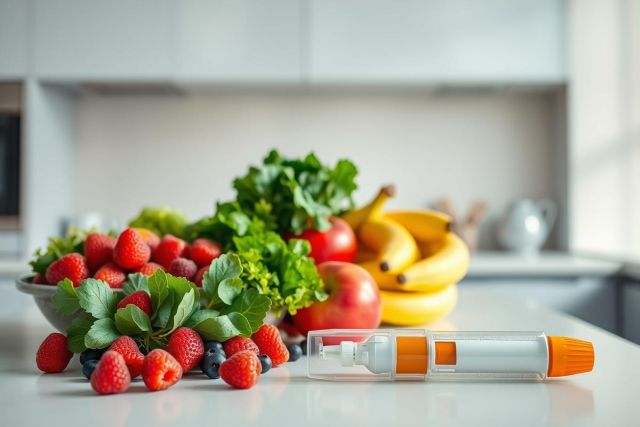
First, an epinephrine auto-injector should be the primary item. This device is vital for treating severe allergic reactions. Always keep it easily accessible and check expiration dates regularly. Alongside the auto-injector, include antihistamines to help alleviate milder symptoms.
Next, include a medical alert card in your kit. This card provides crucial information about allergies and emergency contacts. It allows first responders to act quickly and effectively during emergencies. Adding a list of emergency food allergy steps can further guide caregivers in critical situations.
Finally, pack additional items for comprehensive preparedness. Consider including gauze, adhesive bandages, and antiseptic wipes. These items can assist in treating minor injuries that may arise. Knowing what to keep in your food allergy kit ensures you are always ready for any situation.
Get expert support for your treatment
Let our coordination team prepare a personalized plan for you.
Contact information
Your information is only used to contact you and is never shared with third parties.
Your request has been received!
Your request has been received! Our coordination team will contact you as soon as possible.
Being proactive in assembling a food allergy first aid kit is essential. Regularly review and update the kit to keep it effective. Taking these steps can lead to safer environments for individuals with food allergies. Make sure to educate family and friends about the kit's contents and their importance.
Top 3 Mistakes to Avoid During a Food Allergy Emergency
Top mistakes to avoid during a food allergy emergency can be life-saving. Many individuals may not recognize these critical errors. Being aware of common pitfalls can improve responses during allergic reactions. Taking the right food allergies emergency steps is essential for safety.
One common mistake is delaying the use of an epinephrine auto-injector. Some people hesitate, thinking symptoms may subside on their own. This delay can worsen the situation and lead to severe outcomes. Knowing the steps to take during an allergic reaction can help prevent this mistake.
Another error is failing to call emergency services promptly. Some individuals may assume that their initial treatment is sufficient. However, professional medical help is often necessary for severe reactions. Following an emergency food allergy response plan includes contacting healthcare providers immediately.
Lastly, not informing bystanders about the allergy can be dangerous. Friends and family should know how to respond during an emergency. Providing clear instructions can guide them in critical moments. Avoiding these mistakes in a food allergy emergency can significantly improve safety.
Frequently Asked Questions
Q: What are the emergency steps for food allergies?
A: Emergency steps for food allergies include recognizing symptoms quickly. Administer an epinephrine auto-injector if severe symptoms appear. Calling emergency services is crucial for serious reactions. Follow your emergency food allergy response plan immediately.
Q: How to manage food allergies effectively at home?
A: Managing food allergies at home requires strict avoidance of allergens. Create a detailed food allergy action plan for family members. Educate everyone on recognizing food allergy reaction steps. Always keep a food allergy first aid kit readily available.
Q: When should I use the epinephrine auto-injector?
A: Use the epinephrine auto-injector when severe symptoms arise. These symptoms include difficulty breathing, swelling, or hives. Quick action is vital to prevent worsening reactions. Follow the steps to take during an allergic reaction closely.
Q: Why is a food allergy first aid kit important?
A: A food allergy first aid kit is essential for emergencies. It includes critical items like epinephrine and antihistamines. Having these supplies can save lives during severe reactions. Ensure the kit is well-stocked and easily accessible.
Q: How can I prepare an emergency food allergy response plan?
A: Preparing an emergency food allergy response plan starts with listing allergens. Include detailed steps to take during an allergic reaction. Share this plan with caregivers, schools, and friends. Regular reviews ensure everyone knows how to respond promptly.
The information provided is for educational purposes only and does not constitute medical advice. Always consult with a healthcare professional for medical guidance specific to your situation.