Dentritic Cell-Based Cancer Vaccine
Identifying novel cancer antigens, Investigating dendritic cell-based vaccine approaches, Examining immune response dynamics, and Discussing clinical implications and future directions.
Overview
View All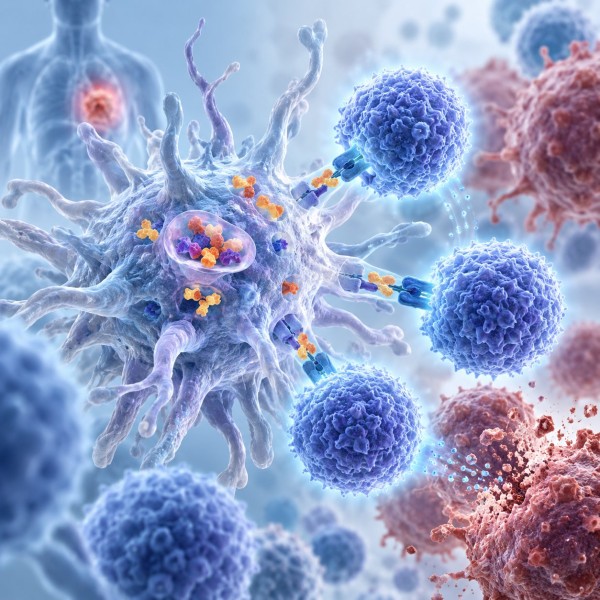
-
Do Dendritic Cell Cancer Vaccines Alter Your DNA?
Dendritic cell cancer vaccines train immune cells, not rewrite DNA. See how cell preparation, mRNA, experimental engineering, and safety differ.
-
Dendritic Cell Vaccines, CAR-T Cells and Stem Cell Transplants: How These Treatments Differ
Dendritic cell vaccines, CAR-T cells, and stem cell transplants work differently. Compare their uses, risks, and evidence before discussing options with your oncology team.
-
How Do Dendritic Cell-Based Cancer Vaccines Stimulate the Adaptive Immune Response?
Discover how dendritic cell-based cancer vaccines stimulate the adaptive immune response to fight cancer effectively. Explore their benefits and empower your treatment choices.
-
What is the Difference Between Dendritic Cell Therapy and Dendritic Cell-Based Cancer Vaccine?
Discover the key differences between dendritic cell therapy and cancer vaccines. Understand how these treatments enhance immunity and support your cancer care.
Eligibility & Availability
View All
-
How Soon After Diagnosis Can I Start Dendritic Cell-Based Cancer Vaccine Treatment?
Discover how soon you can start dendritic cell cancer vaccine treatment after diagnosis. Learn key steps for preparation and improve your treatment outcomes.
-
Are There International Centers Specializing in Dendritic Cell-Based Cancer Vaccines?
Explore international centers specializing in dendritic cell cancer vaccines. Discover effective treatment options and empower your cancer journey today.
-
Are Dendritic Cell-Based Cancer Vaccines Safe for Elderly Cancer Patients?
Discover how dendritic cell-based cancer vaccines offer safe and effective treatment options for elderly patients, enhancing immune responses with fewer side effects.
-
Can a Dendritic Cell-Based Cancer Vaccine Help With Metastatic Cancer?
Discover how dendritic cell cancer vaccines can enhance your immune response against metastatic cancer. Learn about potential benefits and side effects today.
Need guidance beyond these articles?
Connect with our coordination team to understand your options and choose a suitable next step for your condition.
Get Free ConsultationTreatment Process
View All
-
How Your Identity Is Tracked Through Dendritic Cell Vaccine Collection and Delivery
Dendritic cell vaccine identity tracking links collection, lab, transport, and administration records. See what to ask about patient identity checks.
-
Do I Need to Stop Other Cancer Treatments to Begin a Dendritic Cell-Based Cancer Vaccine?
Discover how dendritic cell-based cancer vaccines work with existing treatments. Learn key questions to ask your oncologist for informed decisions on your cancer care.
-
How are Dendritic Cells Collected for a Cancer Vaccine?
Discover how dendritic cells are collected for cancer vaccines, enhancing immunotherapy outcomes. Learn essential preparation tips and safety measures today.
-
Is the Dendritic Cell-Based Cancer Vaccine Treatment Painful?
Discover what to expect from dendritic cell cancer vaccine pain. Learn how to manage discomfort and improve your treatment experience effectively.
Effectiveness & Safety
View All
-
Pregnancy and Fertility Planning Before an Investigational Dendritic Cell Vaccine
Pregnancy and fertility planning before a dendritic cell vaccine trial: ask about testing, contraception, breastfeeding, and fertility preservation with your care team.
-
Dendritic Cell Vaccine Studies That Collect Genomic Data: Privacy Questions to Ask
Dendritic cell vaccine studies may collect genomic data. Ask who can use it, how it is protected, how long it is kept, and whether you can withdraw permission.
-
Are There Published Studies Supporting Dendritic Cell-Based Cancer Vaccine Outcomes?
Discover how dendritic cell-based cancer vaccines improve patient outcomes and survival rates. Stay informed about research findings to enhance your treatment decisions.
-
Can a Dendritic Cell-Based Cancer Vaccine Reduce Tumor Size?
Dendritic cell cancer vaccines offer a targeted approach to reduce tumor size by harnessing the immune system. Discover how this innovative therapy can enhance treatment outcomes and empower your health decisions.
Need guidance beyond these articles?
Connect with our coordination team to understand your options and choose a suitable next step for your condition.
Get Free ConsultationCost & Insurance
View All
-
Dendritic Cell Vaccine Referral Fees: Questions About Financial Conflicts of Interest
Dendritic cell vaccine referral fees may affect how referrals are arranged. Ask who receives payment, what it covers, and how it relates to your treatment estimate.
-
Are Dendritic Cell-Based Cancer Vaccines Covered by Insurance?
Discover if dendritic cell cancer vaccines are covered by insurance and learn how to navigate costs and approvals for this innovative treatment option.
-
What is the Cost of a Dendritic Cell-Based Cancer Vaccine Treatment?
Discover the cost of dendritic cell-based cancer vaccines and key factors influencing pricing. Make informed financial decisions for your treatment today.
Dentritic Cell-Based Cancer Vaccine
Dendritic cell-based cancer vaccines represent a cutting-edge advancement in cancer immunotherapy, offering a highly personalized approach to harnessing the body's immune system to fight cancer. As the most potent antigen-presenting cells in the immune system, dendritic cells play a critical role in initiating and regulating immune responses. When used in cancer treatment, these cells are engineered to recognize and attack cancer cells more effectively, offering hope for patients with various types of tumors, including melanoma, prostate cancer, glioblastoma, and renal cell carcinoma.
How Dendritic Cell Vaccines Work
The process begins with the collection of a patient’s dendritic cells, typically through apheresis. These cells are then exposed to tumor antigens in a laboratory setting. The antigens may be derived from tumor lysates, peptides, or even whole tumor cells. Once "trained" to recognize cancer-specific markers, the dendritic cells are matured and reintroduced into the patient's body, where they stimulate T cells to launch a targeted immune attack against cancer cells.
Benefits of Dendritic Cell Vaccines
- Personalized Treatment: Tailored to each patient’s unique tumor profile, maximizing effectiveness.
- Low Toxicity: Unlike chemotherapy or radiation, dendritic cell vaccines are associated with minimal side effects.
- Immune Memory: Induces long-lasting immune responses, reducing the likelihood of cancer recurrence.
- Broad Applicability: Can be used for a variety of cancers, including those resistant to conventional therapies.
Clinical Success and FDA Approvals
The most well-known example is Sipuleucel-T (Provenge), an FDA-approved dendritic cell vaccine for metastatic prostate cancer. Numerous other clinical trials are underway, exploring the effectiveness of dendritic cell vaccines for glioblastoma, breast cancer, and hematologic malignancies. These vaccines are increasingly being combined with immune checkpoint inhibitors and chemotherapy to enhance therapeutic outcomes.
Challenges and Future Directions
Despite their promise, dendritic cell-based vaccines face challenges such as:
- High production costs and complex manufacturing.
- Variability in patient response.
- Need for standardized protocols to improve scalability and accessibility.
Researchers are exploring next-generation platforms like mRNA-loaded dendritic cells and off-the-shelf allogeneic dendritic cell lines to address these hurdles.
Final Thoughts
Dendritic cell-based cancer vaccines are at the forefront of personalized medicine, redefining how we approach cancer treatment. With ongoing advancements in biotechnology and immunology, these vaccines are expected to play a vital role in future cancer care strategies, offering patients new hope for durable, targeted, and less toxic treatments.