Therapeutic Cancer Vaccines
Cancer cells exhibit unique antigens, which can be targeted by therapeutic cancer vaccines to stimulate the immune system's natural response and fight cancer effectively.
Overview
View All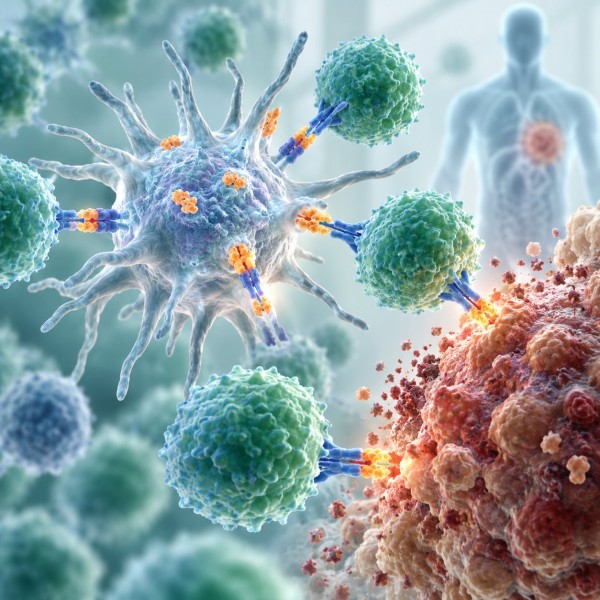
-
Can a Therapeutic Cancer Vaccine Boost My Immune System to Fight Cancer?
Discover how therapeutic cancer vaccines can boost your immune system and improve treatment outcomes. Learn about their benefits and how they fight cancer today.
-
How is a Therapeutic Cancer Vaccine Different from a Preventive Cancer Vaccine?
Discover how therapeutic cancer vaccines differ from preventive ones. Learn their unique roles in treatment and prevention to make informed health choices.
-
How Does a Therapeutic Cancer Vaccine Help Treat Existing Cancer?
Discover how therapeutic cancer vaccines enhance treatment by boosting the immune response against tumors. Explore benefits, candidacy, and improve your care options.
Eligibility & Availability
View All
-
Are There FDA-Approved Therapeutic Cancer Vaccines Available Now?
Discover FDA-approved therapeutic cancer vaccines that enhance your immune response against tumors. Learn how these innovative treatments can improve your cancer care.
-
What Types of Cancer Respond to Therapeutic Cancer Vaccines?
Discover which cancers respond best to therapeutic cancer vaccines and how they can enhance treatment outcomes. Explore your options and discuss with your doctor.
-
Who Can Benefit from a Therapeutic Cancer Vaccine?
Discover who can benefit from therapeutic cancer vaccines. Learn how these innovative treatments enhance immune response and improve long-term outcomes.
Need guidance beyond these articles?
Connect with our coordination team to understand your options and choose a suitable next step for your condition.
Get Free Consultation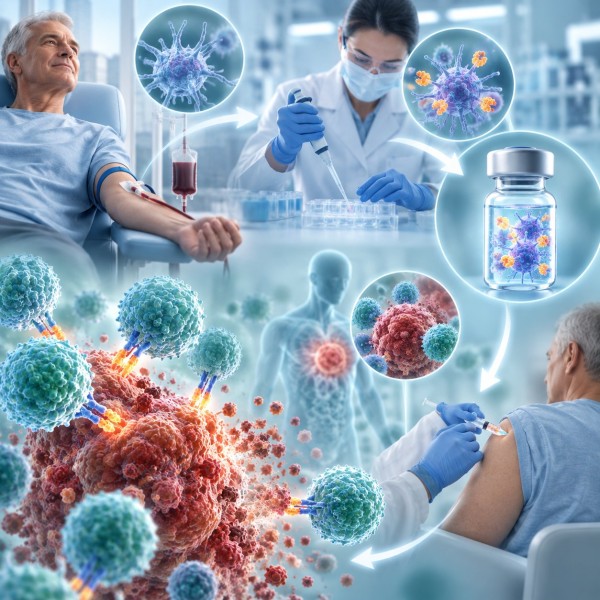
Effectiveness & Safety
View All
-
What are the Side Effects of a Therapeutic Cancer Vaccine?
Discover the side effects of therapeutic cancer vaccines and how to manage them. Understand short-term and long-term effects to navigate your treatment confidently.
-
How Long Does it Take for a Therapeutic Cancer Vaccine to Work?
Discover how long therapeutic cancer vaccines take to work and what factors influence effectiveness. Stay informed for a better treatment journey.
-
What are the Success Rates of Therapeutic Cancer Vaccines in Clinical Trials?
Discover the success rates of therapeutic cancer vaccines in clinical trials and learn how they can enhance treatment options for specific cancers. Explore now!
Therapeutic Cancer Vaccines
Therapeutic cancer vaccines are a powerful form of immunotherapy designed to treat existing cancers by stimulating the body’s immune system to recognize, target, and destroy cancer cells. Unlike preventive vaccines that aim to stop diseases before they start, therapeutic cancer vaccines are administered after diagnosis to enhance the immune response against tumors already growing in the body.
What Are Therapeutic Cancer Vaccines?
Therapeutic cancer vaccines are formulated with tumor-associated antigens (TAAs)—molecules found on the surface of cancer cells. These antigens are introduced into the body through the vaccine to "train" the immune system, particularly T cells, to identify and eliminate cancer cells while leaving healthy tissue unharmed.
Common antigen sources include:
- Peptides or proteins from cancer cells
- Whole tumor cell lysates
- DNA, RNA, or viral vectors encoding tumor antigens
- Dendritic cells loaded with tumor antigens
How Therapeutic Vaccines Work
- Antigen Identification: Specific markers unique to cancer cells are selected.
- Vaccine Preparation: These antigens are used to create a custom vaccine.
- Immune Activation: Upon administration, the immune system learns to recognize and attack cancer cells expressing those antigens.
- Ongoing Surveillance: T cells continue to monitor the body, reducing recurrence risk.
Benefits of Therapeutic Cancer Vaccines
- Targeted Immunity: Directs the immune response specifically toward cancer cells.
- Lower Side Effects: Compared to chemotherapy or radiation, therapeutic vaccines typically have fewer adverse effects.
- Combination Potential: Can be used alongside checkpoint inhibitors, radiation, and chemotherapy for improved outcomes.
- Long-Term Protection: Induces immune memory, helping prevent tumor relapse.
FDA-Approved and Investigational Vaccines
The most notable FDA-approved therapeutic cancer vaccine is Sipuleucel-T (Provenge) for metastatic prostate cancer. However, multiple promising candidates are in clinical trials for other cancers such as:
- Melanoma
- Non-small cell lung cancer
- Pancreatic cancer
- Glioblastoma
- Colorectal cancer
Vaccine platforms include:
- Peptide-based vaccines
- Nucleic acid (DNA or mRNA) vaccines
- Virus-based vaccines (oncolytic viruses or viral vectors)
- Dendritic cell vaccines
Challenges in Therapeutic Vaccine Development
- Tumor Heterogeneity: Different mutations across patients make one-size-fits-all approaches less effective.
- Immune Suppression in Tumors: Some cancers create environments that resist immune attack.
- Time and Cost: Personalized vaccines can be costly and time-consuming to produce.
Future Directions
Innovations like neoantigen vaccines, personalized mRNA vaccines, and AI-driven antigen selection are rapidly advancing the field. The integration of therapeutic vaccines into combination therapies and personalized medicine is expected to significantly improve survival rates and quality of life for cancer patients.
Conclusion
Therapeutic cancer vaccines are revolutionizing cancer treatment by equipping the immune system to act as a powerful ally in the fight against tumors. As research continues, these vaccines promise to become a cornerstone of personalized, effective, and less toxic cancer therapy in the years ahead.