Quick Answer
During a breast cancer screening appointment, you will check in, provide personal and insurance information, undergo a mammogram where your breast is positioned and gently compressed for imaging, and then wait for the radiologist to review the images. Results are typically communicated within a few days, and you can ask your healthcare provider questions about the procedure and follow-up if needed.
- Breast cancer screening usually involves a mammogram to detect abnormalities early.
- Women are generally advised to start annual or biennial mammograms at age 40.
- Preparation includes wearing comfortable clothing and avoiding deodorants or lotions that can affect imaging.
- The screening process involves breast compression to capture clear images, which may cause slight discomfort.
- Results are reviewed by a radiologist and communicated within a few days.
- Patients are encouraged to ask questions about the procedure, results, and any necessary follow-up.
- Mental preparation and support can help reduce anxiety before and during the screening appointment.
What Happens During A Breast Cancer Screening Appointment?
Breast cancer screening is a vital step in early detection and prevention. Regular screenings can help identify abnormalities before they develop into serious health issues. For many women, navigating the breast cancer screening process can feel overwhelming. Knowing what to expect during your screening appointment can alleviate anxiety and empower you to take control of your breast health.
Comprehensive breast cancer screening guidelines recommend annual or biennial mammograms for women starting at age 40. These screenings play a crucial role in detecting breast cancer at its earliest and most treatable stages. Understanding how breast cancer screening works helps build confidence and encourages proactive health decisions. The screening appointment process involves several straightforward steps designed to ensure your comfort and safety.
Familiarizing yourself with these important details can make your screening experience more manageable. Many women have questions about what happens during a breast cancer screening appointment. Addressing these concerns is essential for a positive experience. Preparing for your visit and knowing what to anticipate can significantly enhance your comfort during the process.
Get Support From a Breast Cancer Specialist
Answer a few short questions and Healthnode will help you connect with the right breast specialist or oncology team.
Share Your Main Concern
This helps us understand whether you may need diagnosis, treatment planning, or a second opinion.
Contact information
Your information is only used to contact you and is never shared with third parties.
Your request has been received!
Thank you. If you have mammogram, ultrasound, MRI, biopsy, or pathology results, please keep them ready. A HealthNode consultant will guide you through the next step.
Essential Steps to Prepare for Your Breast Screening
Preparing for breast screening is crucial for a smooth experience. Taking the right steps can help ease anxiety and ensure everything goes well. Knowing what to expect during breast screening allows you to approach the appointment with confidence. A well-organized preparation can significantly enhance your first breast cancer screening appointment.
Wear comfortable clothing that allows easy access to your chest. A two-piece outfit is often a practical choice. Avoid wearing deodorants, lotions, or perfumes, as they can interfere with the mammogram images. Following this advice is an essential part of your breast cancer screening checklist.
Arriving early for your appointment can also make a difference. This extra time allows you to fill out any necessary paperwork calmly. Bring your identification and insurance information to streamline the process. Knowing these details helps you prepare for breast screening effectively.
Lastly, consider discussing any concerns with your healthcare provider. Writing down questions in advance can clarify doubts and make you feel more at ease. Remember that the screening appointment process is designed with your comfort in mind. Taking these steps ensures a positive experience, empowering you to prioritize your health confidently.
What to Expect: The Breast Cancer Screening Procedure Explained
What to expect during breast screening is essential for first-time patients. The breast cancer screening procedure typically begins with a check-in at the reception. You’ll provide your insurance and personal information, ensuring a smooth screening appointment process. This initial step sets the stage for what comes next.
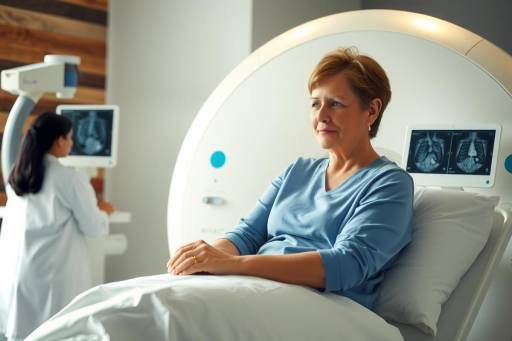
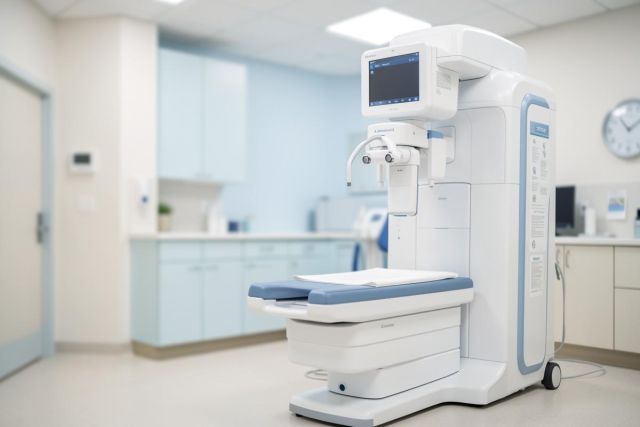
During the mammogram, a trained technician will guide you through the process. You will stand in front of the mammography machine, and the technician will position your breast for imaging. Gentle compression will occur to capture clear images of your breast tissue. Knowing how breast cancer screening works can ease concerns about discomfort.
After the imaging is complete, you may need to wait briefly for review. The radiologist will examine the images for any irregularities. In most cases, results are communicated within a few days. This timeline helps you stay informed about your health.
Preparing for your breast cancer screening procedure can enhance your experience. Familiarize yourself with the steps involved and ask questions if needed. Remember, this screening is a proactive measure for your health. Taking these actions ensures you feel empowered during your appointment.
Questions to Ask at Your Screening Appointment
Top questions to ask at your screening appointment can enhance your experience. Engaging with your healthcare provider is crucial for clarity. Asking the right questions helps you feel informed about the breast cancer screening appointment. This proactive approach empowers you to take charge of your health.
Start by asking about the specific procedures involved. Knowing what to expect during your breast screening helps alleviate anxiety. Inquire about how the results will be communicated and the timeline for receiving them. Clarity about the breast cancer screening guidelines can provide reassurance.
Another important question focuses on the need for follow-up appointments. Understanding if additional imaging may be required is essential. Discuss any personal risk factors that could affect your screening results. This conversation is key to a comprehensive evaluation of your health.
Prepare a list of questions for breast screening before your appointment. This preparation ensures you address all concerns during your visit. Don’t hesitate to talk to your doctor about breast screening and voice any worries. Taking these steps can lead to a more comfortable and informative screening experience.
Decoding Your Mammogram: What Your Results Really Mean
Decoding your mammogram: what your results really mean can be daunting. Mammogram results explained clearly can help you navigate this important health milestone. Many people feel anxious after their breast cancer screening results arrive. Knowing how to interpret these results empowers you to take action.
When receiving your results, expect terms like "negative" or "positive." A negative result typically means no signs of cancer were found. Conversely, a positive result indicates further evaluation may be necessary. Familiarity with breast cancer screening results can help you respond appropriately.
After your screening, your doctor will explain any findings. They may recommend follow-up imaging if there are any concerns. This next step is essential for clarifying any uncertainties in your results. Knowing what to expect after breast screening can help ease anxiety during this process.
Review your mammogram results with your healthcare provider. This conversation will provide clarity and outline your options. Do not hesitate to ask questions about your results and their implications. Taking these steps ensures you stay informed and proactive about your health.
Get Support From a Breast Cancer Specialist
Answer a few short questions and Healthnode will help you connect with the right breast specialist or oncology team.
Share Your Main Concern
This helps us understand whether you may need diagnosis, treatment planning, or a second opinion.
Contact information
Your information is only used to contact you and is never shared with third parties.
Your request has been received!
Thank you. If you have mammogram, ultrasound, MRI, biopsy, or pathology results, please keep them ready. A HealthNode consultant will guide you through the next step.
How to Reduce Anxiety Before and During Breast Screening
How to reduce anxiety before and during breast screening is essential for many women. Feeling nervous is normal, but there are effective strategies to calm those nerves. Preparing mentally can help you feel more relaxed during your appointment. Utilizing breast cancer screening tips can significantly improve your overall experience.
Visualization techniques are a powerful method to ease anxiety. Imagine yourself in a calm setting during the procedure. This mental imagery helps create a sense of peace. Practicing deep breathing exercises before the appointment can also be beneficial. Learning how to stay calm during mammogram can make the experience more manageable.
Discussing your fears with friends or family can provide support. Sharing your concerns allows for emotional relief and reassurance. Additionally, consider asking your healthcare provider about any specific procedures. Knowing what to expect can alleviate worries about the screening process. Overcoming fear of breast screening starts with open communication and support.
Remember that these screenings are vital for your health. Preparing mentally and emotionally can lead to a more positive experience. Focus on the knowledge that early detection can save lives. Taking these steps can empower you to approach your appointment with confidence. Prioritize your health and embrace the screening process.
Frequently Asked Questions
Q: What are the breast cancer screening guidelines I should follow?
A: Breast cancer screening guidelines recommend regular mammograms for women. Most women should start annual screenings at age 40. Those with higher risk factors may begin earlier. Following these guidelines ensures timely detection of breast cancer.
Q: How does the breast cancer screening process work?
A: The breast cancer screening process typically involves a mammogram. During the procedure, breast tissue is compressed to obtain clear images. A trained technician will guide you through each step. Understanding how breast cancer screening works can ease anxiety.
Q: What should I expect during my first breast screening appointment?
A: Expect a private and comfortable environment during your first appointment. A technician will explain the procedure and answer any questions. You may feel slight discomfort during the imaging process. Being prepared helps reduce anxiety about the screening appointment process.
Q: When is the best time to schedule a breast cancer screening?
A: The best time for a breast cancer screening is usually after your period. Scheduling during this time can minimize discomfort. Most women find it easier to relax during the screening. Regular screenings are crucial for early detection of breast cancer.
Q: Can I bring someone with me to my screening appointment?
A: Yes, you can bring a friend or family member for support. Having someone with you can help reduce anxiety. They can also assist with questions during the appointment. This support can make your breast cancer screening experience more comfortable.
The information provided is for educational purposes only and does not constitute medical advice. Always consult with a healthcare professional for medical guidance specific to your situation.