Quick Answer
Low-dose CT scans are used as an important tool for early detection and screening of lung cancer, especially in high-risk individuals. They provide detailed images with reduced radiation exposure to identify suspicious lung nodules that may require further evaluation.
- Low-dose CT scans use lower radiation than standard CT scans, making them safer for repeated lung cancer screening.
- They are particularly recommended for adults aged 50 to 80 with a significant smoking history or other risk factors.
- LDCT scans can detect small lung nodules early, improving chances for timely intervention and better outcomes.
- While LDCT is effective for screening, it cannot definitively diagnose lung cancer and requires follow-up tests if abnormalities are found.
- False positives are a limitation of LDCT screening, potentially leading to unnecessary anxiety and additional procedures.
- Preparation for a low-dose CT scan is minimal, typically requiring no fasting or special restrictions.
- Decisions about LDCT screening should be personalized and discussed with a healthcare provider to weigh benefits and risks.
Is a Low-Dose CT Scan Used for Diagnosing Lung Cancer?
Low-dose CT scans are indeed used as an important tool for diagnosing lung cancer, particularly in its early stages. This imaging method employs a lower amount of radiation than a standard CT scan, which makes it suitable for screening high-risk individuals while minimizing radiation exposure. The ability to detect small lung nodules early significantly improves the chances of timely intervention and better clinical outcomes.
Lung cancer often develops silently without noticeable symptoms in its initial phases, so low-dose CT (LDCT) scans are valuable for screening people at increased risk, such as long-term smokers or those with a history of heavy tobacco use. The technique produces detailed images of the lungs, helping radiologists identify suspicious lesions that might warrant further evaluation. While LDCT is not a definitive diagnostic test on its own, it serves as an effective first step to guide additional diagnostic procedures if abnormalities are found.
Understanding the benefits and limitations of low-dose CT scanning can help you make informed decisions about lung cancer screening. If you are considering this test, discussing your personal risk factors with a healthcare provider can clarify whether LDCT screening is appropriate for your situation and how to prepare for it.
Get Support From a Lung Cancer Specialist
Answer a few short questions and Healthnode will help you connect with the right pulmonology or oncology specialist.
Share Your Test or Symptom Details
This helps us understand whether you may need diagnosis, treatment planning, or follow-up care.
Final Details
Share anything important so the specialist can better understand your case.
Contact information
Your information is only used to contact you and is never shared with third parties.
Your request has been received!
Thank you. If you have a chest X-ray, CT, PET-CT, biopsy, pathology report, or previous treatment records, please keep them ready. A HealthNode consultant will guide you through the next step.
How Low-Dose CT Scans Detect Lung Cancer in Patients
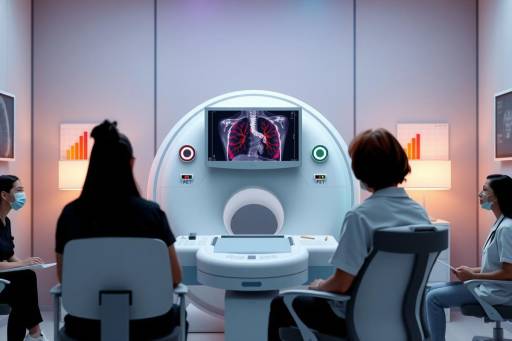
Low-dose CT scans detect lung cancer by creating multiple cross-sectional images of the lungs using X-ray technology with a reduced radiation dose. This imaging technique captures detailed pictures that highlight small abnormalities, such as nodules or masses, which may not be visible on standard chest X-rays. Radiologists examine these images carefully to identify signs that could indicate early lung cancer.
The scan uses a spiral or helical method to quickly capture images while the patient lies still. Because the radiation dose is lower than conventional CT scans, LDCT is safer for routine screening, especially for people who require repeated imaging. The images allow specialists to differentiate between benign and potentially malignant lesions based on size, shape, and density.
Early detection through LDCT is critical because lung cancer symptoms often appear only after the disease has progressed. By identifying suspicious nodules at an earlier stage, physicians can recommend follow-up tests such as biopsy or PET scans to confirm the diagnosis and initiate treatment sooner. This imaging approach has become a cornerstone in lung cancer screening programs worldwide, improving survival rates through earlier intervention.
Benefits and Limitations of Using Low-Dose CT for Lung Cancer Screening
Low-dose CT scans offer significant benefits in lung cancer screening by enabling earlier detection compared to traditional chest X-rays. Early identification of lung cancer increases treatment options and can improve survival rates. The reduced radiation exposure makes LDCT suitable for repeated use in high-risk populations without substantially increasing radiation-related risks.
However, LDCT screening also has limitations. One challenge is the possibility of false positives, where benign lung nodules are mistaken for cancer. This can lead to unnecessary anxiety, additional testing, and invasive procedures. Additionally, not all lung cancers will be detected, and some may develop rapidly between screening intervals.
Radiation exposure, although lower than standard CT, is still a consideration, especially for repeated scans over time. Patients and providers must weigh these benefits and risks carefully. Despite these limitations, major health organizations endorse LDCT screening for certain high-risk groups due to its proven impact on reducing lung cancer mortality.
Who Should Consider a Low-Dose CT Scan for Lung Cancer Screening?
Low-dose CT lung cancer screening is generally recommended for adults at high risk due to smoking history and age. Guidelines from health authorities like the U.S. Preventive Services Task Force suggest screening for individuals aged 50 to 80 who have a significant history of cigarette smoking, typically defined as a 20 pack-year or greater smoking history, and who currently smoke or have quit within the past 15 years.
People with additional risk factors such as occupational exposures to carcinogens or a family history of lung cancer may also consider discussing LDCT screening with their healthcare provider. Screening is not usually recommended for low-risk individuals, as the potential harms may outweigh the benefits.
Decisions about screening should be personalized. Your doctor can assess your individual risk factors and help determine if LDCT screening is appropriate. This shared decision-making ensures you understand potential outcomes and next steps if abnormalities are detected.
Preparing for Your Low-Dose CT Scan: What to Expect
Preparation for a low-dose CT scan is straightforward and usually requires minimal effort. You should wear comfortable clothing without metal fasteners, as metal can interfere with image quality. In most cases, no fasting or special dietary restrictions are necessary before the scan.
During the procedure, you will lie on a motorized table that moves through the CT scanner’s circular opening. It is important to remain still and follow breathing instructions to ensure sharp images. The scan itself typically takes only a few minutes.
After the scan, a radiologist will analyze the images and report any findings to your referring doctor. Your healthcare provider will then discuss the results with you, explaining whether any further testing or follow-up is needed. Understanding this process can help reduce anxiety and ensure you know what to expect at each step.
Making the Decision: Is a Low-Dose CT Scan Right for You?
Deciding whether to undergo low-dose CT screening for lung cancer involves evaluating your personal health status, risk factors, and preferences. The procedure can offer lifesaving early detection but may also lead to uncertainty from false positives or incidental findings.
Engaging in an open conversation with your healthcare provider is essential. They can help you understand your lung cancer risk, the benefits and downsides of screening, and what to expect from the process. Your values and willingness to pursue follow-up testing if abnormalities are found should also inform this decision.
Ultimately, LDCT screening is most beneficial for those at increased risk due to smoking or other exposures. If you do not fall into these categories, routine screening may not be necessary. Consulting a specialist familiar with lung cancer screening guidelines will help tailor the choice to your unique situation.
Frequently Asked Questions
Q: What makes low-dose CT scans suitable for lung cancer screening?
Get Support From a Lung Cancer Specialist
Answer a few short questions and Healthnode will help you connect with the right pulmonology or oncology specialist.
Share Your Test or Symptom Details
This helps us understand whether you may need diagnosis, treatment planning, or follow-up care.
Final Details
Share anything important so the specialist can better understand your case.
Contact information
Your information is only used to contact you and is never shared with third parties.
Your request has been received!
Thank you. If you have a chest X-ray, CT, PET-CT, biopsy, pathology report, or previous treatment records, please keep them ready. A HealthNode consultant will guide you through the next step.
A: Low-dose CT scans use reduced radiation compared to standard CT, making them safer for repeated lung cancer screening. They produce detailed images that help detect small lung nodules early, improving chances for timely diagnosis.
Q: Are there risks associated with low-dose CT scans?
A: While radiation exposure is lower than standard CT, there is still some risk, especially with frequent scans. False positives may occur, leading to unnecessary tests. Discussing risks with your doctor can help weigh benefits against potential harms.
Q: How often should high-risk individuals get low-dose CT lung screenings?
A: Screening frequency depends on guidelines and individual risk but is often recommended annually for eligible high-risk adults. Your healthcare provider will tailor the schedule based on your health and screening results.
Q: Can low-dose CT scans definitively diagnose lung cancer?
A: Low-dose CT scans identify suspicious nodules but cannot confirm cancer alone. Additional tests, such as biopsy or PET scans, are necessary for diagnosis. LDCT is primarily a screening tool to guide further evaluation.
Q: What should I do if my low-dose CT scan shows abnormalities?
A: If abnormalities are detected, your healthcare provider will recommend follow-up tests or referrals to specialists. Timely evaluation helps determine if the findings are benign or require treatment, so maintaining communication with your doctor is important.
The information provided is for educational purposes only and does not constitute medical advice. Always consult with a healthcare professional for medical guidance specific to your situation.