Are Secondary Cancers A Risk After Lung Cancer Treatment?
Discover the risk of secondary cancers after lung cancer treatment. Learn key prevention strategies and warning signs to empower your health journey. Stay informed!
Explore lung cancer survivorship and support, including follow-up care, managing long-term side effects, rehabilitation, emotional well-being, and resources to improve quality of life during and after treatment.

Discover the risk of secondary cancers after lung cancer treatment. Learn key prevention strategies and warning signs to empower your health journey. Stay informed!

Discover the long-term prognosis for lung cancer survivors. Learn key factors influencing survival rates and effective strategies to enhance recovery and well-being.

Dietary changes after lung cancer treatment are vital for recovery. Discover essential nutrition tips to boost energy and support healing. Start improving your health today.
Get a free consultation and talk through symptoms, treatment options, and possible care paths with our coordination team.
Get Free Consultation
Discover essential strategies for lung cancer survivors to improve lung health through nutrition, exercise, and breathing techniques. Empower your recovery today!

Explore safe physical activities for lung cancer survivors to boost recovery and well-being. Discover tailored exercises to enhance strength and mood.

Regular blood tests are vital for lung cancer survivors to monitor health and detect recurrence early. Discover how these tests empower your recovery today.

Lung cancer survivors face emotional challenges like anxiety and depression. Discover effective coping strategies and support networks to enhance your mental well-being.
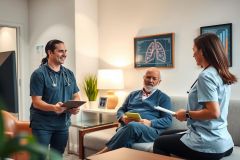
Explore how lung cancer follow-up care enhances recovery. Discover benefits like early detection, symptom monitoring, and emotional support. Stay proactive for better health.

Lung cancer survivors can lead fulfilling lives by embracing lifestyle changes, emotional support, and coping strategies. Discover essential steps to thrive after treatment.

Discover vital financial resources for lung cancer survivors. Learn about assistance programs that alleviate treatment costs and improve your recovery journey.
Lung Cancer Survivorship & Support
Lung cancer survivorship includes the physical, emotional, and practical challenges people experience during and after cancer treatment. For some patients, survivorship begins after treatment with curative intent, while others continue living with lung cancer as an ongoing condition that requires long-term care. Supportive services can help patients manage symptoms, maintain independence, and improve quality of life at every stage.
Follow-Up Care After Lung Cancer Treatment
Regular follow-up appointments are an important part of lung cancer survivorship. The oncology team monitors for signs of recurrence or progression, evaluates treatment-related side effects, and addresses new health concerns. Follow-up may include medical examinations, imaging tests, and other assessments based on the cancer type, stage, and treatments received.
The frequency and type of surveillance vary between patients. Individuals who have undergone surgery or radiotherapy may require a different follow-up plan from those receiving ongoing systemic treatment. Patients should understand their surveillance schedule, which symptoms to report, and whom to contact between appointments.
Managing Long-Term Side Effects
Lung cancer and its treatments can cause effects that continue after treatment has ended. These may include fatigue, shortness of breath, reduced physical endurance, pain, peripheral neuropathy, or changes in appetite and weight. Some patients may also experience effects related to surgery, radiotherapy, chemotherapy, targeted therapy, or immunotherapy.
The management of long-term side effects depends on their cause and severity. Rehabilitation, medication, nutritional support, and specialist referrals may help improve daily functioning. New or worsening symptoms should be assessed by a healthcare professional rather than assumed to be a normal part of recovery.
Pulmonary Rehabilitation and Physical Recovery
Pulmonary rehabilitation may benefit selected patients who experience breathing difficulties or reduced exercise capacity. Programs can include supervised exercise, breathing techniques, education, and strategies for managing breathlessness.
Physical activity should be adapted to the patient's medical condition and treatment history. Gradual, individualized exercise may help improve strength, endurance, and overall well-being. Patients should consult their healthcare team before beginning a new exercise program, particularly after surgery or when living with advanced disease.
Emotional and Psychological Support
A lung cancer diagnosis can affect emotional well-being, relationships, employment, and family life. Anxiety about recurrence, uncertainty about the future, depression, and changes in body image or daily routines are common concerns that deserve attention.
Counseling, psycho-oncology services, support groups, and conversations with trusted family members or friends may help patients cope. Caregivers can also experience emotional and practical strain, and support services may be beneficial for them as well.
Nutrition, Lifestyle, and Daily Living
Maintaining adequate nutrition and hydration can support recovery and help patients manage treatment-related difficulties. A dietitian may provide individualized advice for people experiencing weight loss, swallowing problems, reduced appetite, or other nutritional concerns.
Smoking cessation remains important after a lung cancer diagnosis. Quitting smoking can support overall health and may reduce the risk of additional smoking-related complications. Patients should also discuss alcohol use, supplements, and lifestyle changes with their healthcare team, as some products may interact with cancer treatments.
Palliative Care and Supportive Services
Palliative care focuses on relieving symptoms and improving quality of life for people living with serious illness. It can be provided alongside treatments intended to cure or control lung cancer and is not limited to end-of-life care.
A palliative care team may help manage pain, breathlessness, fatigue, nausea, sleep difficulties, and emotional distress. Social workers, rehabilitation specialists, and other healthcare professionals can also assist with practical needs, financial concerns, and access to community resources.
Creating a Personalized Survivorship Care Plan
A survivorship care plan may summarize the patient's diagnosis, treatments received, follow-up schedule, potential late effects, and recommendations for ongoing health care. It can also identify which healthcare professionals are responsible for different aspects of care.
Patients should discuss their individual needs and goals with their oncology team. Whether treatment has ended or is continuing, coordinated medical care and appropriate support can help people living with lung cancer maintain the best possible quality of life.