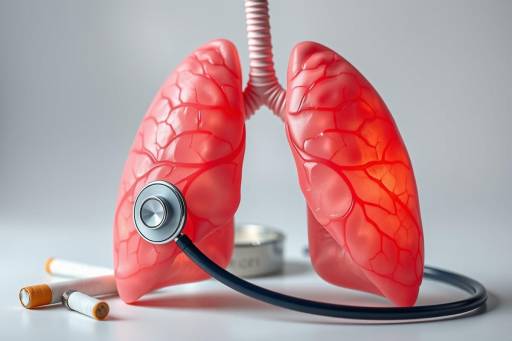
Quick Answer
Diet can help in preventing lymphoma by incorporating nutrient-dense foods rich in antioxidants and essential vitamins, which may reduce lymphoma risk and support overall health.
- A balanced diet rich in fruits, vegetables, whole grains, and lean proteins may lower lymphoma risk.
- Berries, leafy green vegetables, nuts, and seeds contain antioxidants and nutrients that support lymphoma prevention.
- Key nutrients like vitamins A, C, D, and omega-3 fatty acids play important roles in reducing lymphoma risk.
- Avoiding processed foods, red and processed meats, and high-sugar drinks can help lower lymphoma risk.
- Planning meals with a variety of nutrient-dense foods promotes consistency in a lymphoma-preventive diet.
- Healthy snacks such as nuts, yogurt, and cut vegetables support maintaining a cancer-preventive diet.
- Scientific evidence supports that nutrition and diet choices can contribute to lymphoma prevention and overall well-being.
Can diet help in preventing Lymphoma?
Can diet help in preventing lymphoma? This question has gained importance among health-conscious individuals. Evidence suggests that diet and lymphoma prevention are closely linked. Making informed dietary choices may reduce the risk of developing lymphoma and support overall health. Patients increasingly seek guidance on how nutrition impacts their health journeys.
Research indicates that preventing lymphoma with nutrition involves consuming a balanced diet rich in essential nutrients. Foods like fruits, vegetables, whole grains, and lean proteins can offer protective benefits. Adopting a healthy diet for lymphoma patients may lower their risk of recurrence and improve their quality of life. Understanding how specific foods contribute to cancer prevention can empower individuals to make healthier choices.
Exploring foods to prevent lymphoma also opens doors to new culinary adventures. By incorporating nutrient-dense options into daily meals, individuals can enhance their well-being. Knowing what to eat and what to avoid can create a positive shift in lifestyle. With the right dietary strategies, it's possible to support your body in the fight against lymphoma.
Get Support From a Lymphoma Specialist
Answer a few short questions and HealthNode will help you connect with the right haematology, lymphoma, or cancer specialist.
Share Test or Symptom Details
This helps us understand whether you may need diagnosis, treatment planning, or follow-up care.
Final Details
Share anything important so the specialist can better understand the case.
Contact information
Your information is only used to contact you and is never shared with third parties.
Your request has been received!
Thank you. If you have blood test results, ultrasound, CT, PET-CT, biopsy, pathology, immunohistochemistry, flow cytometry, or previous treatment records, please keep them ready. A HealthNode consultant will guide you through the next step.
Top 7 Foods That May Lower Lymphoma Risk
Eating the right foods may lower lymphoma risk significantly. Incorporating nutrient-dense options into your diet can be beneficial. Foods to prevent lymphoma often contain antioxidants and essential vitamins. These dietary choices not only promote overall health but may also provide protection against cancer.
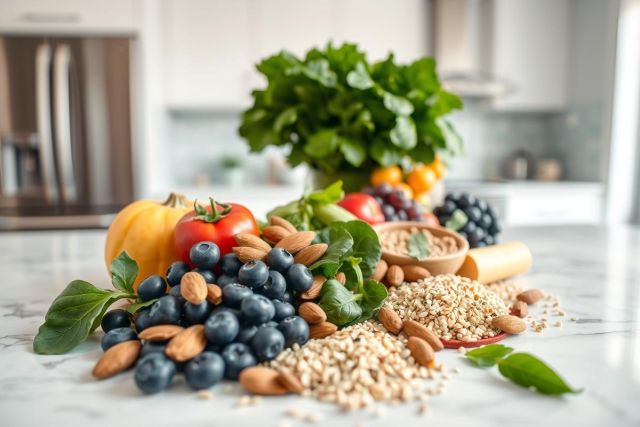
Berries are among the best foods for cancer prevention. They are rich in antioxidants, which help combat oxidative stress. Blueberries and strawberries, in particular, contain powerful compounds that may reduce inflammation. Including these fruits in your daily snacks can contribute to a balanced diet aimed at lowering lymphoma risk.
Leafy green vegetables, such as spinach and kale, also provide crucial nutrients. These antioxidant-rich foods are packed with vitamins A, C, and K. Eating a variety of greens boosts your immune system and supports healthy cell function. Adding a salad or steamed greens to your meals enhances your diet and may help in preventing lymphoma.
Incorporating nuts and seeds into your snacks can further support your goals. Walnuts and flaxseeds are excellent sources of omega-3 fatty acids. These healthy fats have anti-inflammatory properties, potentially lowering lymphoma risk. Focus on including a mix of these foods to create a nutritious and cancer-fighting diet.
Making conscious choices about food can lead to positive health outcomes. Emphasize a diet rich in antioxidant-rich foods and nutrient-dense options. By prioritizing these choices, you take proactive steps toward enhancing your health. Explore new recipes and meal ideas to enjoy these beneficial foods as part of your lifestyle.
Crucial Nutrients for Lymphoma Prevention: What Science Says
Crucial nutrients for lymphoma prevention play a vital role in overall health. Scientific evidence supports the idea that specific vitamins can lower lymphoma risk. Key nutrients like vitamins A, C, and D have shown promise in research. Focusing on these vitamins to prevent lymphoma may enhance your well-being.
Vitamin D is essential for immune function and cellular health. Studies suggest that low levels of vitamin D are linked to increased cancer risk. Getting adequate sunlight or consuming fortified foods can help maintain optimal levels. Including this vitamin in your diet is a strategic choice for lymphoma prevention.
Another important nutrient is omega-3 fatty acids, found in fish and flaxseeds. Research indicates that these healthy fats have anti-inflammatory properties. They may also play a role in reducing cellular changes that lead to lymphoma. Regularly incorporating omega-3-rich foods into your meals can significantly benefit your health.
Prioritizing a balanced diet rich in essential nutrients is key. Following nutritional guidelines for lymphoma risk includes focusing on whole foods. Aim to include a variety of vitamins to prevent lymphoma in your daily meals. By making informed dietary choices, you can support your body’s defenses and promote better health. Consider exploring new recipes that highlight these vital nutrients for your well-being.
How to Build a Daily Meal Plan for Lymphoma Prevention
Creating a daily meal plan for lymphoma prevention is essential for health. A well-structured diet can help lower cancer risk. Focus on including a variety of nutrient-dense foods in your meals. This approach supports a healthy diet for lymphoma patients and enhances overall well-being.
Start by incorporating plenty of fruits and vegetables into your meals. These foods are rich in antioxidants, vitamins, and minerals. Aim to fill half your plate with colorful produce at each meal. This simple strategy is an effective way to create a daily diet for cancer prevention.
Whole grains should also be a staple in your meal plan. Foods like quinoa, brown rice, and whole-grain bread provide fiber and essential nutrients. Fiber is crucial for digestive health and may lower cancer risk. Including whole grains in your meals can enhance the quality of your diet.
Consider planning your snacks wisely to stay on track. Healthy options like nuts, yogurt, and hummus can keep your energy up. These snacks provide essential nutrients while helping you avoid processed foods. By following these guidelines, you can create the best diet for cancer prevention and support your health journey. Explore new recipes and meal ideas to keep your menu exciting and nutritious.
5 Harmful Foods to Avoid for Lower Lymphoma Risk
Avoiding harmful foods is crucial for lower lymphoma risk. Certain dietary choices can increase inflammation and promote cancer growth. Identifying foods to avoid lymphoma is an important step in maintaining health. Reducing intake of these items can significantly impact your well-being.
Processed foods are among the top offenders in diet and lymphoma risk. These products often contain unhealthy fats, sugars, and additives. For example, fast food, sugary snacks, and pre-packaged meals can contribute to inflammation. Regular consumption of processed foods and cancer risks cannot be overlooked.
Red meat and processed meats should also be limited. Evidence suggests that high intake of these meats is linked to various cancers. Sausages, hot dogs, and bacon fall into this category. Reducing these foods can help in preventing lymphoma with nutrition.
High-sugar drinks and snacks also pose a threat. Sugary beverages can lead to obesity and increase cancer risk. Soft drinks and energy drinks are particularly harmful. Focusing on water and herbal teas can promote better health.
Get Support From a Lymphoma Specialist
Answer a few short questions and HealthNode will help you connect with the right haematology, lymphoma, or cancer specialist.
Share Test or Symptom Details
This helps us understand whether you may need diagnosis, treatment planning, or follow-up care.
Final Details
Share anything important so the specialist can better understand the case.
Contact information
Your information is only used to contact you and is never shared with third parties.
Your request has been received!
Thank you. If you have blood test results, ultrasound, CT, PET-CT, biopsy, pathology, immunohistochemistry, flow cytometry, or previous treatment records, please keep them ready. A HealthNode consultant will guide you through the next step.
Expert Tips: Staying Consistent With a Lymphoma-Preventive Diet
Staying consistent with a lymphoma-preventive diet is crucial for health. Many individuals face challenges in maintaining a healthy diet for lymphoma patients. Developing effective strategies can help make this process easier and more enjoyable. Committing to these tips can significantly reduce lymphoma risk.
Planning meals in advance supports sticking to a cancer-preventive diet. Creating a weekly menu helps ensure balanced nutrition. Include a variety of fruits, vegetables, and whole grains in every meal. This proactive approach can simplify grocery shopping and meal preparation.
Keeping healthy snacks readily available also aids consistency. Healthy options like nuts, yogurt, and cut vegetables can curb hunger. By having these nutritious snacks on hand, it becomes easier to resist unhealthy choices. These nutrition tips for lymphoma risk can help you stay on track throughout the day.
Regularly reviewing and adjusting your meal plan is essential. Monitoring progress helps identify areas for improvement and keeps motivation high. Consider tracking your food intake or seeking support from a nutritionist. With dedication to diet consistency for prevention, you can create lasting healthy habits. Embrace these strategies to foster a lifestyle that promotes well-being and lowers lymphoma risk.
Frequently Asked Questions
Q: How can diet prevent lymphoma and support health?
A: Diet plays a crucial role in lymphoma prevention. A healthy diet for lymphoma patients includes fruits and vegetables. These foods help reduce inflammation and support immune function. Emphasizing whole foods can contribute to overall well-being.
Q: What are the best foods to prevent lymphoma?
A: Foods to prevent lymphoma include berries, leafy greens, and nuts. These items are rich in antioxidants and essential nutrients. Incorporating these foods into your meals is beneficial. A balanced diet promotes better health and reduces cancer risk.
Q: What are nutritional guidelines for lymphoma risk?
A: Nutritional guidelines for lymphoma risk emphasize whole, unprocessed foods. Focus on a variety of colorful fruits and vegetables. Whole grains and lean proteins are also important. Following these guidelines supports a healthy lifestyle.
Q: How to create a healthy meal plan for lymphoma prevention?
A: Creating a healthy meal plan involves selecting nutrient-dense foods. Include plenty of fruits, vegetables, and whole grains. Planning meals ahead can simplify grocery shopping. This practice helps maintain consistency in your diet.
Q: Is there scientific evidence for preventing lymphoma with nutrition?
A: Yes, scientific evidence supports the idea of preventing lymphoma with nutrition. Research shows that a healthy diet can reduce cancer risk. Certain nutrients and foods have protective effects. Focusing on these can enhance your overall health.
The information provided is for educational purposes only and does not constitute medical advice. Always consult with a healthcare professional for medical guidance specific to your situation.