Quick Answer
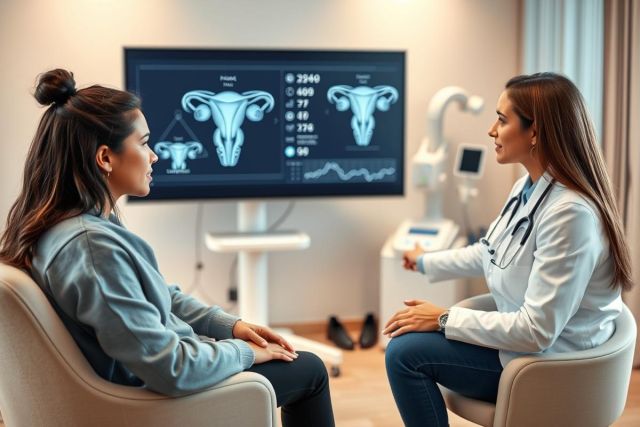
Lymphoma and its treatments, such as chemotherapy and radiation, can affect adult fertility by damaging reproductive organs and functions, potentially leading to temporary or permanent infertility. Patients should discuss fertility preservation options with healthcare providers before starting treatment.
- Lymphoma treatments like chemotherapy and radiation can harm fertility in both men and women by damaging ovarian function or reducing sperm production and quality.
- Radiation therapy targeting the pelvic area can cause temporary or permanent infertility by affecting the ovaries or testes.
- Fertility preservation methods such as sperm banking, egg freezing, and embryo freezing are important options to consider before starting lymphoma treatment.
- Early discussions with healthcare providers about the impact of lymphoma treatment on fertility and preservation options are crucial for informed decision-making.
- Emotional and psychological support is vital for patients and couples facing fertility challenges related to lymphoma.
- Adopting healthy lifestyle habits, including balanced nutrition, regular physical activity, and stress management, can help boost fertility after lymphoma treatment.
- Many patients may regain fertility after lymphoma treatment, but outcomes vary, so consulting a fertility specialist is recommended.
Can Lymphoma affect fertility in adults?
Can lymphoma affect fertility in adults? This crucial question resonates with many individuals facing a lymphoma diagnosis. The physical and emotional toll of cancer is profound, and concerns about reproductive health are valid. Understanding the relationship between lymphoma and fertility is essential for patients who wish to preserve their ability to conceive. As treatment options evolve, awareness of the impact on reproductive health becomes increasingly important.
Lymphoma treatment often involves chemotherapy, radiation, or immunotherapy, all of which can influence fertility. For those diagnosed, fertility issues related to lymphoma require careful consideration. Many patients may not realize the long-term effects of their treatment on reproductive capabilities. Approaching this topic with clarity can empower individuals to seek fertility preservation options before starting treatment.
The impact of lymphoma on reproductive health extends beyond the immediate physical effects. Emotional and psychological challenges frequently accompany these medical concerns. Taking proactive steps can help individuals navigate these challenges and make informed decisions regarding their future family plans. Engaging with healthcare providers about fertility preservation options is a vital step in addressing these concerns.
Get Support From a Lymphoma Specialist
Answer a few short questions and HealthNode will help you connect with the right haematology, lymphoma, or cancer specialist.
Share Test or Symptom Details
This helps us understand whether you may need diagnosis, treatment planning, or follow-up care.
Final Details
Share anything important so the specialist can better understand the case.
Contact information
Your information is only used to contact you and is never shared with third parties.
Your request has been received!
Thank you. If you have blood test results, ultrasound, CT, PET-CT, biopsy, pathology, immunohistochemistry, flow cytometry, or previous treatment records, please keep them ready. A HealthNode consultant will guide you through the next step.
5 Vital Ways Lymphoma Impacts Adult Fertility
Lymphoma impacts adult fertility in several significant ways. The disease and its treatments can affect reproductive health for both men and women. Understanding these effects is crucial for anyone diagnosed with lymphoma and facing fertility concerns. Awareness of how lymphoma affects fertility can help individuals make informed decisions.
Chemotherapy is a common treatment for lymphoma that can harm fertility. Certain chemotherapy drugs may damage ovarian function in women. For men, chemotherapy can lead to reduced sperm production and quality. The impact of lymphoma on reproductive health often depends on the type and intensity of treatment.
Radiation therapy poses additional risks to fertility. When directed at the pelvic area, radiation can affect the ovaries or testes. This exposure can lead to temporary or permanent infertility. Patients should discuss these risks with their healthcare team to explore potential preservation options.
Addressing these concerns early in the treatment process is essential. Fertility preservation methods, such as sperm banking or egg freezing, can be valuable for patients. Taking proactive steps can help secure reproductive options in the future. Engaging with healthcare providers about fertility issues related to lymphoma is vital for informed choices. Seeking support during this journey can also ease emotional burdens.
Essential Questions to Ask About Fertility Before Lymphoma Treatment
Essential questions to ask about fertility before lymphoma treatment are crucial for patients. Discussing fertility issues lymphoma should be a priority during consultations. Engaging your healthcare team can help clarify the potential effects on reproductive health. Being informed allows individuals to make better decisions regarding their future family plans.
One important question involves the specific impact of lymphoma treatment on fertility. Can lymphoma affect fertility? Patients should inquire about how different treatment options, such as chemotherapy and radiation, may influence reproductive capabilities. Asking about the likelihood of temporary or permanent infertility can also provide much-needed clarity.
Another vital question revolves around fertility preservation options. What steps can be taken before starting treatment? Patients should explore methods such as sperm banking or egg freezing. Discussing these options early can help secure reproductive choices for the future. Engaging in open conversations about lymphoma treatment and fertility concerns is essential for informed decision-making.
Preparing a list of fertility questions for lymphoma patients can facilitate discussions with healthcare providers. Seeking advice on the best course of action is vital. Patients should feel empowered to advocate for their reproductive health during this challenging time.
How to Protect Your Fertility: Top Preservation Options for Lymphoma Patients
How to protect your fertility: top preservation options for lymphoma patients is a vital topic. Facing lymphoma can be overwhelming, especially when considering reproductive health. Many patients may worry about the impact of treatment on their ability to conceive. Exploring effective fertility preservation methods can help secure future family plans.
Sperm banking is an essential option for men diagnosed with lymphoma. This process involves collecting and freezing sperm before starting treatment. By doing so, men can preserve their fertility for future use. For women, egg freezing is another viable method. This allows women to freeze their eggs for later fertilization after cancer treatment.
Embryo freezing is another significant option for couples. This method involves fertilizing eggs with sperm and then freezing the resulting embryos. It can be especially effective for patients planning to conceive later. Discussing these preservation options with healthcare providers is crucial for informed decisions. Fertility preservation for lymphoma patients should be a priority before starting any treatment.
Taking proactive steps can lead to better reproductive outcomes. Patients should engage in discussions about preserving fertility before cancer treatment. Seeking advice on the best options available is essential. Empowering oneself with knowledge and resources can help navigate this challenging journey. Consider consulting a fertility specialist to explore these critical options.
Crucial Emotional and Relationship Support During Fertility Challenges
Crucial emotional and relationship support during fertility challenges is essential for patients. Fertility issues lymphoma can create significant stress and anxiety for individuals and couples. Navigating these emotional hurdles requires open communication and support from loved ones. Addressing these challenges can strengthen relationships and improve overall well-being.
Lymphoma and emotional support play a vital role in coping. Patients often experience feelings of fear, anger, or sadness regarding their situation. Connecting with support groups or therapy can help process these emotions. Sharing experiences with others facing similar challenges can provide comfort and reassurance. Couples should consider seeking professional counseling to navigate their emotional landscape together.
Open communication between partners is vital for emotional health. Discussing fears and concerns can help alleviate feelings of isolation. Couples might find it beneficial to set aside time for honest conversations. Sharing feelings about infertility can deepen their bond and foster empathy. Recognizing adult lymphoma effects on relationships is crucial for maintaining connection during this difficult time.
Seeking counseling or joining support groups can provide valuable resources. Couples should prioritize their emotional well-being while addressing fertility issues. Engaging in activities that promote relaxation and stress relief can help improve coping strategies. Empowering oneself with the right support can lead to better outcomes during this challenging journey.
Get Support From a Lymphoma Specialist
Answer a few short questions and HealthNode will help you connect with the right haematology, lymphoma, or cancer specialist.
Share Test or Symptom Details
This helps us understand whether you may need diagnosis, treatment planning, or follow-up care.
Final Details
Share anything important so the specialist can better understand the case.
Contact information
Your information is only used to contact you and is never shared with third parties.
Your request has been received!
Thank you. If you have blood test results, ultrasound, CT, PET-CT, biopsy, pathology, immunohistochemistry, flow cytometry, or previous treatment records, please keep them ready. A HealthNode consultant will guide you through the next step.
Top 4 Lifestyle Tips to Boost Fertility After Lymphoma Treatment
Top 4 lifestyle tips to boost fertility after lymphoma treatment are crucial for recovery. Making informed choices can significantly enhance reproductive health. Adopting healthy habits can help individuals regain their fertility potential. Focusing on lifestyle changes plays a critical role in the process.
Nutrition is a foundational aspect of boosting fertility after lymphoma. Eating a balanced diet rich in fruits, vegetables, and whole grains is essential. Specific nutrients, such as folic acid and omega-3 fatty acids, can support reproductive function. Maintaining a healthy weight is also important, as obesity can negatively affect fertility.
Regular physical activity offers numerous benefits for those recovering from lymphoma. Engaging in moderate exercise can improve overall health and reduce stress. Activities like walking, swimming, or yoga can enhance physical and emotional well-being. Incorporating exercise into daily routines can aid in managing adult lymphoma effects and promoting a healthier lifestyle.
Stress management techniques are vital for fertility improvement. High stress levels can adversely impact hormonal balance and reproductive health. Practices such as meditation, deep breathing, or mindfulness can help alleviate stress. Taking time for self-care and relaxation is essential for overall wellness. Adopting these lifestyle tips for fertility lymphoma can greatly enhance the chances of conception.
Frequently Asked Questions
Q: How can lymphoma affect fertility in adults?
A: Lymphoma can significantly impact fertility in adults. Treatment options like chemotherapy can damage reproductive organs. This damage may lead to temporary or permanent infertility. Discussing these risks with your healthcare provider is crucial.
Q: What options exist for fertility preservation for lymphoma patients?
A: Fertility preservation for lymphoma patients includes sperm banking and egg freezing. These methods allow individuals to secure their reproductive options. Discussing preservation methods before treatment is essential. Early planning can enhance future family-building opportunities.
Q: When should patients discuss lymphoma treatment and fertility concerns?
A: Patients should discuss lymphoma treatment and fertility concerns before starting therapy. Early conversations can help determine preservation needs. Understanding potential impacts on reproductive health is vital. Timing these discussions can significantly affect outcomes.
Q: Is it possible to conceive after lymphoma treatment?
A: Yes, it is possible to conceive after lymphoma treatment. Many patients regain fertility after completing their therapy. However, individual outcomes can vary significantly. Consulting a fertility specialist is advisable for personalized guidance.
The information provided is for educational purposes only and does not constitute medical advice. Always consult with a healthcare professional for medical guidance specific to your situation.