Quick Answer
Lymphoma can be initially detected using non-invasive methods such as advanced imaging scans and blood tests, but a biopsy remains the gold standard for definitive diagnosis.
- Early signs of lymphoma include unexplained weight loss, persistent fatigue, swollen lymph nodes, and night sweats.
- Blood tests measuring proteins like lactate dehydrogenase (LDH) and complete blood counts can provide important clues for lymphoma detection.
- Imaging scans such as CT, PET, and MRI are powerful non-invasive tools that help identify abnormalities associated with lymphoma.
- While imaging and blood tests can suggest the presence of lymphoma, they often cannot conclusively diagnose it without a biopsy.
- A biopsy is still considered the definitive method to confirm lymphoma diagnosis despite advances in non-invasive testing.
- Patients suspected of having lymphoma should consult healthcare providers who may recommend a combination of symptom evaluation, blood tests, imaging, and possibly biopsy.
- Early recognition of symptoms and timely use of diagnostic tests can lead to earlier intervention and better treatment outcomes.
Can Lymphoma be detected without biopsy?
Can lymphoma be detected without biopsy? This question is crucial for many patients. Early detection plays a vital role in successful treatment. Patients often seek less invasive methods to confirm their diagnosis. Traditional biopsy methods can be daunting, creating anxiety for many individuals. Knowing whether lymphoma detection is possible without this invasive step is essential for informed decision-making.
Non-invasive lymphoma tests have gained attention in recent years. These methods include advanced imaging techniques and specific blood tests. They offer valuable insights while minimizing discomfort and risk. Understanding these testing options can empower patients to discuss them with their healthcare providers. Knowledge about lymphoma diagnosis methods can lead to quicker treatment and better outcomes.
Recognizing the symptoms of lymphoma is equally important. Early signs, such as unexplained weight loss, fatigue, and swollen lymph nodes, should prompt further evaluation. Patients often feel uncertain about what steps to take next. Comprehensive awareness of lymphoma screening options can guide individuals through the diagnostic process.
Get Support From a Lymphoma Specialist
Answer a few short questions and HealthNode will help you connect with the right haematology, lymphoma, or cancer specialist.
Share Test or Symptom Details
This helps us understand whether you may need diagnosis, treatment planning, or follow-up care.
Final Details
Share anything important so the specialist can better understand the case.
Contact information
Your information is only used to contact you and is never shared with third parties.
Your request has been received!
Thank you. If you have blood test results, ultrasound, CT, PET-CT, biopsy, pathology, immunohistochemistry, flow cytometry, or previous treatment records, please keep them ready. A HealthNode consultant will guide you through the next step.
7 Vital Early Signs of Lymphoma You Should Never Ignore
Early signs of lymphoma can often be subtle yet significant. Recognizing these symptoms of lymphoma is crucial for timely diagnosis. Many patients overlook these initial warning signs of lymphoma, which may delay necessary treatment. Awareness of these vital indicators empowers individuals to seek medical advice sooner.
One common symptom is unexplained weight loss. Individuals may lose more than 10% of their body weight without trying. This weight loss can be an early sign of lymphoma. Persistent fatigue, even after rest, is another important indicator. Many patients report feeling unusually tired or weak, which warrants further evaluation.
Swollen lymph nodes are often noticeable in the neck, armpits, or groin. These swollen areas may feel firm and non-painful. This physical change can signal lymphoma detection and should prompt a medical consultation. Night sweats that soak clothing or bedding are also concerning. Experiencing these symptoms frequently may indicate underlying health issues.
Recognizing these early signs of lymphoma can lead to timely intervention. If you notice any combination of these symptoms, consult a healthcare provider. Early diagnosis is vital for effective treatment options. Take proactive steps to understand your health and seek help as needed.
How Blood Tests Reveal Crucial Clues for Lymphoma Detection
Blood tests play a vital role in lymphoma detection. These tests can provide crucial clues about your health. They help doctors assess potential lymphoma diagnosis methods without invasive procedures. Many patients may not be aware of how effective lymphoma blood tests can be.
One important test measures the levels of specific proteins in the blood. Elevated levels of lactate dehydrogenase, or LDH, can indicate lymphoma. Another useful test checks for the presence of certain antibodies. Abnormalities in these markers can suggest further investigation is needed. Such tests serve as non-invasive lymphoma tests that guide the diagnostic process.
Complete blood counts are also essential for lymphoma detection. These tests assess red and white blood cell levels. Low red blood cells or high white blood cells can signal underlying issues. Doctors often use blood tests alongside imaging studies to confirm a diagnosis. This combination can clarify whether lymphoma can be diagnosed without biopsy.
Awareness of how blood tests contribute to lymphoma diagnosis is important. If symptoms arise, blood tests may be one of the first steps. These tests can lead to early intervention, improving treatment outcomes. If you experience any warning signs, consult your healthcare provider for testing options.
Imaging Scans: Powerful Non-Invasive Tools for Lymphoma Screening
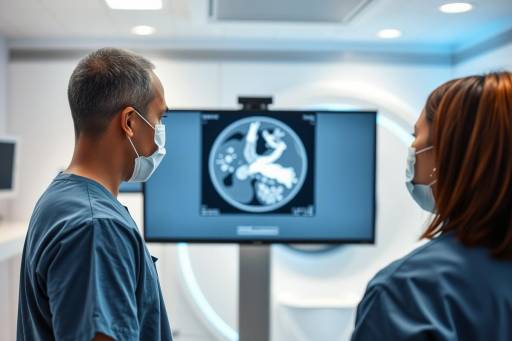
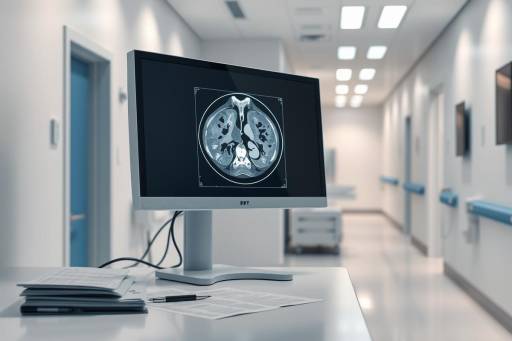
Imaging scans are powerful non-invasive tools for lymphoma screening. These scans provide crucial insights without the need for surgery. They help detect lymphoma early when treatment is most effective. Many patients rely on these advanced techniques for accurate lymphoma detection.
CT scans are commonly used in lymphoma imaging scans. These scans create detailed images of internal organs and lymph nodes. Physicians can identify swollen lymph nodes and any abnormal masses. PET scans are another important tool. They assess metabolic activity within the body, helping to determine cancerous growths.
MRI scans also play a vital role in lymphoma screening options. They offer high-resolution images, especially useful for brain and spinal evaluations. This technology helps doctors visualize areas that other imaging methods might miss. Each imaging technique contributes uniquely to a comprehensive diagnostic approach.
Awareness of these non-invasive lymphoma tests can lead to earlier diagnosis. If symptoms are present, imaging scans may be the next step. Discuss these screening options with your healthcare provider for better outcomes. Early detection through imaging can significantly impact treatment success and overall health.
Can Lymphoma Be Diagnosed Without Biopsy? Myths vs. Medical Facts
Can lymphoma be diagnosed without biopsy? This question is common among patients. Many believe a biopsy is the only way to confirm lymphoma. However, several lymphoma diagnosis methods can provide valuable insight without invasive procedures.
Imaging tests like CT and PET scans play a significant role. These scans can reveal abnormalities in lymph nodes and organs. They help doctors assess potential lymphoma detection before recommending a biopsy. While these methods are informative, they often cannot definitively diagnose lymphoma on their own.
Blood tests also contribute to the diagnostic process. Certain markers and protein levels can indicate lymphoma. While they provide useful information, they are not conclusive. Medical myths about lymphoma often exaggerate the capabilities of these tests. A biopsy remains the gold standard for confirming lymphoma.
Recognizing the facts about lymphoma diagnosis is crucial. If you have symptoms, consult with your doctor about available options. Discussing lymphoma detection methods can lead to timely intervention. Early diagnosis is vital for effective treatment and improved outcomes. Take proactive steps in managing your health by seeking professional advice.
Get Support From a Lymphoma Specialist
Answer a few short questions and HealthNode will help you connect with the right haematology, lymphoma, or cancer specialist.
Share Test or Symptom Details
This helps us understand whether you may need diagnosis, treatment planning, or follow-up care.
Final Details
Share anything important so the specialist can better understand the case.
Contact information
Your information is only used to contact you and is never shared with third parties.
Your request has been received!
Thank you. If you have blood test results, ultrasound, CT, PET-CT, biopsy, pathology, immunohistochemistry, flow cytometry, or previous treatment records, please keep them ready. A HealthNode consultant will guide you through the next step.
What Comes Next? Steps to Take if Lymphoma Is Suspected
What comes next if lymphoma is suspected? Taking the right steps is crucial for effective management. Early action can lead to better outcomes and treatment options. Knowing the lymphoma diagnosis steps can help alleviate anxiety and confusion.
Consulting a healthcare provider is the first step. They can evaluate symptoms and recommend appropriate tests. A lymphoma referral to a specialist may be necessary for further evaluation. This specialist can provide a comprehensive assessment based on your specific situation.
After a referral, expect to undergo several tests. These may include blood tests, imaging scans, and possibly a biopsy. Each lymphoma screening option plays a role in confirming the diagnosis. Discussing these options openly with your doctor is essential for clarity.
Being proactive is key when lymphoma is suspected. Keep track of symptoms and communicate openly with healthcare providers. If necessary, seek a second opinion to ensure proper care. Taking these steps can lead to a timely diagnosis and effective treatment plan. Prioritize your health by addressing concerns quickly and efficiently.
Frequently Asked Questions
Q: What are the early signs of lymphoma to watch for?
A: Common early signs of lymphoma include unexplained weight loss. Patients may also experience persistent fatigue and night sweats. Swollen lymph nodes are another key symptom. Recognizing these symptoms can lead to timely lymphoma detection.
Q: How are lymphoma diagnosis methods determined?
A: Lymphoma diagnosis methods often begin with a thorough evaluation. Doctors review symptoms and conduct physical exams. Blood tests and imaging scans may follow for further assessment. Each step helps refine the approach to diagnosis.
Q: Can lymphoma be diagnosed without biopsy in some cases?
A: Yes, lymphoma can be diagnosed without biopsy in some cases. Non-invasive lymphoma tests like imaging scans provide valuable information. Blood tests can also indicate abnormalities related to lymphoma. However, a biopsy remains the gold standard for confirmation.
Q: What are the common lymphoma screening options available?
A: Common lymphoma screening options include blood tests and imaging scans. CT scans and PET scans are frequently used. These tests help identify abnormalities and guide further diagnosis. Discuss these options with your healthcare provider for clarity.
Q: How effective are non-invasive lymphoma tests for detection?
A: Non-invasive lymphoma tests are effective for initial assessments. They provide crucial insights without requiring surgical procedures. Imaging and blood tests can indicate potential lymphoma presence. However, confirmatory testing is often needed for a definitive diagnosis.
The information provided is for educational purposes only and does not constitute medical advice. Always consult with a healthcare professional for medical guidance specific to your situation.