Quick Answer
Diagnostic tests for lymphoma vary in accuracy, with biopsies considered the gold standard due to their high accuracy in confirming the presence and type of lymphoma. Imaging scans like PET and CT also provide valuable information but are best used alongside biopsy results for optimal diagnostic accuracy.
- Biopsies offer the highest accuracy for lymphoma diagnosis by providing definitive tissue analysis.
- Imaging tests such as PET and CT scans help visualize affected lymph nodes and assess disease extent but require biopsy confirmation.
- The accuracy of lymphoma tests depends on factors like sample quality, timing of tests, and patient health conditions.
- Poorly collected biopsy samples can lead to false negatives, affecting diagnostic reliability.
- Combining biopsy results with imaging findings improves overall lymphoma diagnosis accuracy.
- Patients should actively discuss test results and accuracy with their healthcare providers to make informed decisions.
- Clear communication with doctors about lymphoma diagnostic tests enhances understanding and treatment planning.
How accurate are diagnostic tests for Lymphoma?
How accurate are diagnostic tests for lymphoma? This question holds great importance for patients facing a potential lymphoma diagnosis. Accurate diagnostic tests for lymphoma are crucial for effective treatment planning and patient outcomes. With the right information, patients can engage in informed discussions with their healthcare providers and make better decisions regarding their health.
Diagnostic tests for lymphoma come in various forms, each offering different insights into the disease. Patients often rely on these tests to confirm a diagnosis or monitor treatment response. Knowing the accuracy rates can help alleviate anxiety and foster confidence in the diagnostic process.
The reliability of lymphoma diagnostic methods can vary based on several factors. From imaging scans to biopsies, understanding the implications of each test is essential. Engaging with your healthcare team about the tests can lead to a more accurate diagnosis. This proactive approach ensures that patients receive the best possible care tailored to their unique situations.
Get Support From a Lymphoma Specialist
Answer a few short questions and HealthNode will help you connect with the right haematology, lymphoma, or cancer specialist.
Share Test or Symptom Details
This helps us understand whether you may need diagnosis, treatment planning, or follow-up care.
Final Details
Share anything important so the specialist can better understand the case.
Contact information
Your information is only used to contact you and is never shared with third parties.
Your request has been received!
Thank you. If you have blood test results, ultrasound, CT, PET-CT, biopsy, pathology, immunohistochemistry, flow cytometry, or previous treatment records, please keep them ready. A HealthNode consultant will guide you through the next step.
Top 5 Diagnostic Tests for Lymphoma: Accuracy and Reliability
Diagnostic tests for lymphoma play a vital role in accurate diagnosis and treatment. These tests help healthcare providers determine the presence and type of lymphoma. Knowing which tests are the best tests for diagnosing lymphoma can guide patients through their health journey.
Biopsies are often considered the gold standard for accurate diagnosis. A biopsy involves removing a small tissue sample for microscopic examination. This method offers high lymphoma diagnosis accuracy rates, allowing pathologists to assess the cancer type. Other tests, such as blood tests, can provide supportive information but are less definitive.
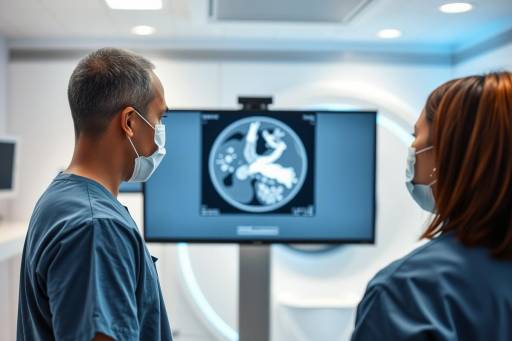
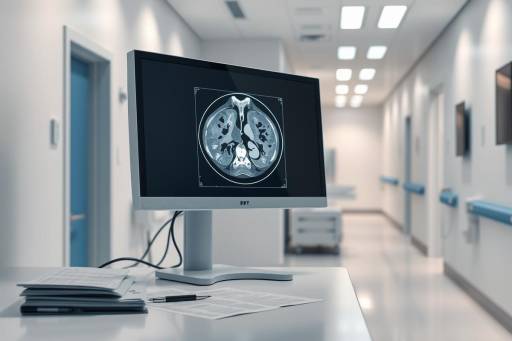
Imaging tests also contribute significantly to lymphoma diagnosis. PET scans and CT scans are commonly used to visualize the lymphatic system. These imaging tests can help identify swollen lymph nodes or other affected areas. While they are reliable lymphoma diagnostic tests, their results must be interpreted alongside biopsy findings for optimal accuracy.
Knowing the strengths and limitations of each test is essential for informed decisions. Engaging in open conversations can enhance understanding of lymphoma diagnosis accuracy rates and improve treatment outcomes. Take the initiative to ask about the best tests for diagnosing lymphoma during your next appointment.
How Biopsy Results Impact Lymphoma Test Accuracy
How biopsy results impact lymphoma test accuracy is crucial for patients. A biopsy for lymphoma provides definitive evidence of cancer presence and type. Accurate biopsy results can significantly influence treatment decisions and patient outcomes.
The precision of lymphoma diagnostic methods often hinges on biopsy findings. For instance, if a biopsy reveals cancerous cells, doctors can tailor treatment plans accordingly. This high level of specificity enhances lymphoma test accuracy and helps avoid unnecessary treatments. Pathologists evaluate the tissue sample, determining the exact nature of the lymphoma.
Factors like sample quality and interpretation also affect biopsy results. Poorly collected samples may lead to false negatives, complicating the diagnosis. Reliable lymphoma diagnostic tests require meticulous techniques during the biopsy process. Ensuring that samples are taken from the right site is essential for accurate results.
Patients should actively engage with their healthcare team about biopsy outcomes. Discussing how accurate are lymphoma tests can lead to better treatment strategies. Knowing the implications of biopsy results empowers patients to make informed decisions. Always ask questions and seek clarity to ensure a comprehensive understanding of your diagnosis.
Imaging Scans: What PET, CT, and MRI Reveal About Lymphoma
Imaging scans for lymphoma play a pivotal role in diagnosis and treatment. These scans help visualize the lymphatic system and identify abnormalities. Techniques like PET, CT, and MRI provide valuable information that aids in determining the extent of lymphoma.
PET scans are particularly useful for assessing lymphoma's activity. They detect areas of increased metabolic activity, indicating cancer presence. PET scan accuracy lymphoma is generally high, making it a reliable choice for staging. This imaging method often helps find lymphoma that may not be visible through other diagnostic methods.
CT scans offer detailed cross-sectional images of body structures. They help identify enlarged lymph nodes and other affected organs. The data gathered from CT scans can significantly enhance lymphoma diagnosis accuracy rates. Combining CT and PET scans often results in a comprehensive view of the disease.
Patients should discuss imaging options with healthcare providers. Knowing which imaging scans for lymphoma are recommended can aid in treatment planning. Each type of scan has its strengths and limitations, so informed discussions are essential. Always engage with your medical team to tailor the best approach for your situation.
7 Crucial Factors That Affect Lymphoma Test Results
7 crucial factors that affect lymphoma test results can significantly influence diagnosis. Accurate results are essential for effective treatment planning and patient outcomes. These factors can range from sample quality to timing of tests and should not be overlooked.
The quality of the sample taken is a major factor affecting lymphoma diagnosis. If the sample is contaminated or insufficient, test accuracy can suffer. Reliable lymphoma diagnostic tests depend on high-quality specimens for accurate analysis. Always ensure that samples are collected under optimal conditions to enhance results.
Patient health can also impact test outcomes. Conditions like infections or inflammation may alter test results. These underlying health issues can lead to confusion in determining lymphoma presence. Discussing any health concerns with your medical team is vital for accurate diagnosis.
Timing of the tests plays a critical role in achieving accurate results. Conducting tests too soon after a treatment can yield misleading data. Monitoring lymphoma requires careful timing to assess treatment effectiveness. Patients should work closely with their healthcare providers to schedule tests appropriately.
Being aware of these factors affecting lymphoma diagnosis is essential. Engaging with your medical team can help clarify how accurate are lymphoma tests. Always seek to discuss any concerns regarding test accuracy for a better understanding of your health situation. Take proactive steps to ensure the best possible outcomes.
Get Support From a Lymphoma Specialist
Answer a few short questions and HealthNode will help you connect with the right haematology, lymphoma, or cancer specialist.
Share Test or Symptom Details
This helps us understand whether you may need diagnosis, treatment planning, or follow-up care.
Final Details
Share anything important so the specialist can better understand the case.
Contact information
Your information is only used to contact you and is never shared with third parties.
Your request has been received!
Thank you. If you have blood test results, ultrasound, CT, PET-CT, biopsy, pathology, immunohistochemistry, flow cytometry, or previous treatment records, please keep them ready. A HealthNode consultant will guide you through the next step.
How to Discuss Lymphoma Diagnostic Results With Your Doctor
How to discuss lymphoma diagnostic results with your doctor is essential for clarity. Clear communication can help patients grasp their diagnosis and treatment options. Engaging with your healthcare provider ensures that you receive reliable lymphoma diagnostic tests and interpretations.
Preparing specific questions ahead of your appointment can enhance discussions. Asking about lymphoma diagnosis accuracy rates can lead to a deeper understanding of your situation. Discussing the implications of test results is crucial for informed decision-making. Bring along notes to help you cover all your concerns during the conversation.
Listening to your doctor's explanations is equally important. They may provide insights into lymphoma test accuracy and the next steps. Do not hesitate to ask for clarifications if something is unclear. This approach fosters a more productive dialogue and can help you feel more at ease.
Taking proactive steps during appointments is vital for patient empowerment. Discussing your feelings about the results can help shape future care. Knowing how to effectively communicate can lead to better outcomes. Reach out to your healthcare team for support and guidance regarding your lymphoma diagnosis.
Frequently Asked Questions
Q: What are the most common diagnostic tests for lymphoma?
A: Common diagnostic tests for lymphoma include biopsies and imaging scans. These tests help confirm the presence of lymphoma. Blood tests can provide additional information but are less definitive. Reliable lymphoma diagnostic tests are crucial for accurate diagnosis.
Q: How accurate are lymphoma tests in diagnosing the disease?
A: Lymphoma test accuracy varies based on the methods used. Most tests, especially biopsies, provide high accuracy rates. Imaging scans also contribute valuable insights into disease staging. Discussing results with your doctor can clarify the findings.
Q: When should I consider the best tests for diagnosing lymphoma?
A: Consider the best tests for diagnosing lymphoma when symptoms appear. If you notice swollen lymph nodes or unexplained weight loss, seek medical advice. Your doctor will recommend appropriate diagnostic tests based on your situation. Early diagnosis can lead to more effective treatment options.
Q: What factors influence lymphoma diagnosis accuracy rates?
A: Several factors influence lymphoma diagnosis accuracy rates. Sample quality and timing can impact test results significantly. Patient health conditions may also alter test outcomes. Engaging with your healthcare provider about these factors is essential.
Q: Can imaging scans improve lymphoma test accuracy?
A: Yes, imaging scans can significantly enhance lymphoma test accuracy. PET and CT scans provide detailed pictures of lymphatic structures. These images help identify swollen lymph nodes and other abnormalities. Combining imaging with biopsy results leads to more reliable diagnoses.
The information provided is for educational purposes only and does not constitute medical advice. Always consult with a healthcare professional for medical guidance specific to your situation.